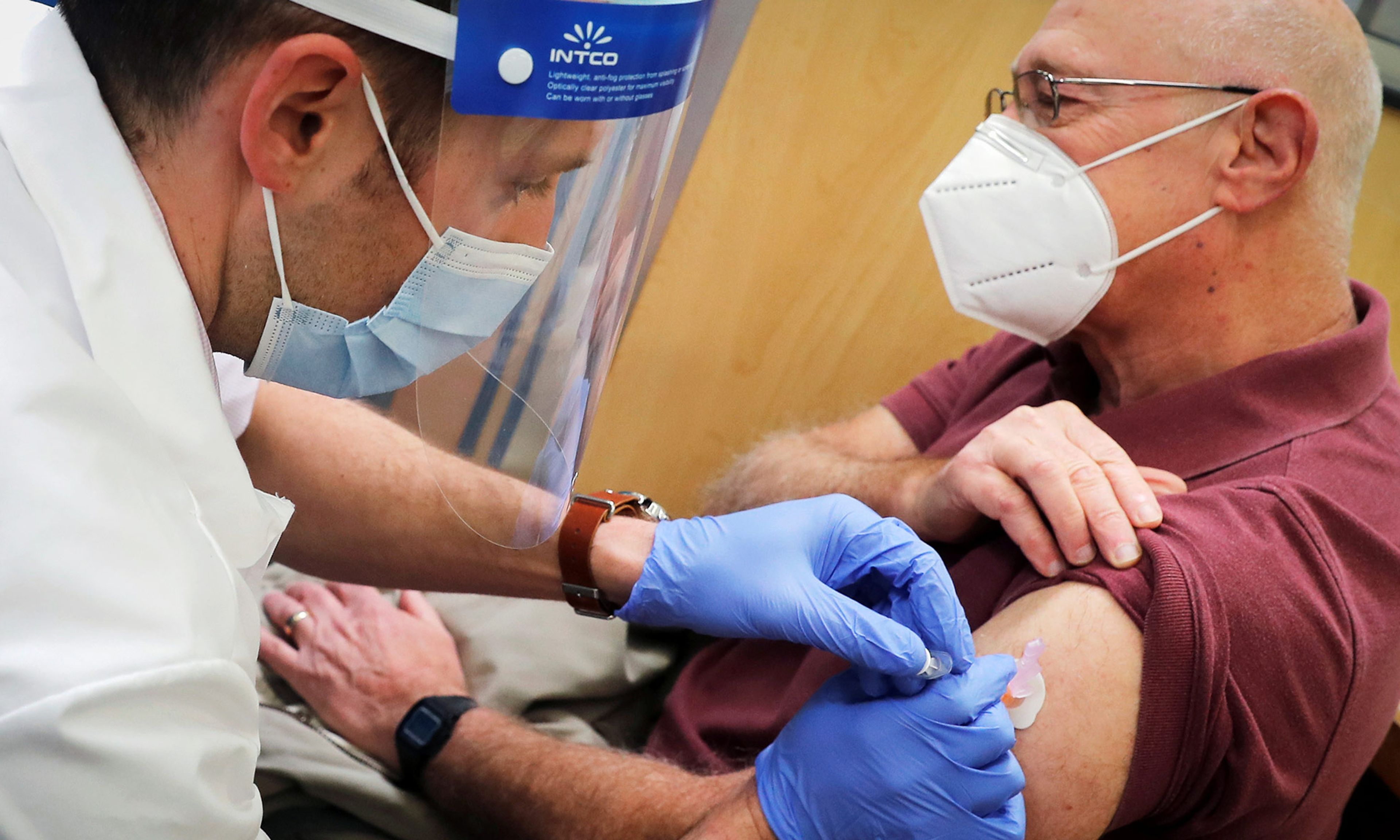
There’s no doubt that vaccination rates have hit a wall of skepticism: 48.5 percent of the population is fully vaccinated, and 56.1 percent have had at least one dose of the vaccine. This is consistent with opinion surveys earlier this year showing roughly 40 percent of the public as wary or skeptical about the vaccines. A wave of outreach has begun to get vaccination rates up further, especially in light of the spread of the Delta variant. Some states have tried lotteries, in which people who get vaccinated are entered to win a substantial sum of money. Others are trying public-messaging campaigns, prominently featuring the “type” of people that the state believes need to hear the message.
Elected Republicans are also promoting the vaccine, in a way. Senator John Cornyn said that most vaccine skepticism was “based on conspiracy theories.” And Mitt Romney has recently said that the politicization of vaccines has been “moronic.” In the next breath, after having thus established that he believed he was speaking to morons, Romney said that refusing to get the vaccine was “an insult” to Donald Trump’s accomplishments as president.




Comments