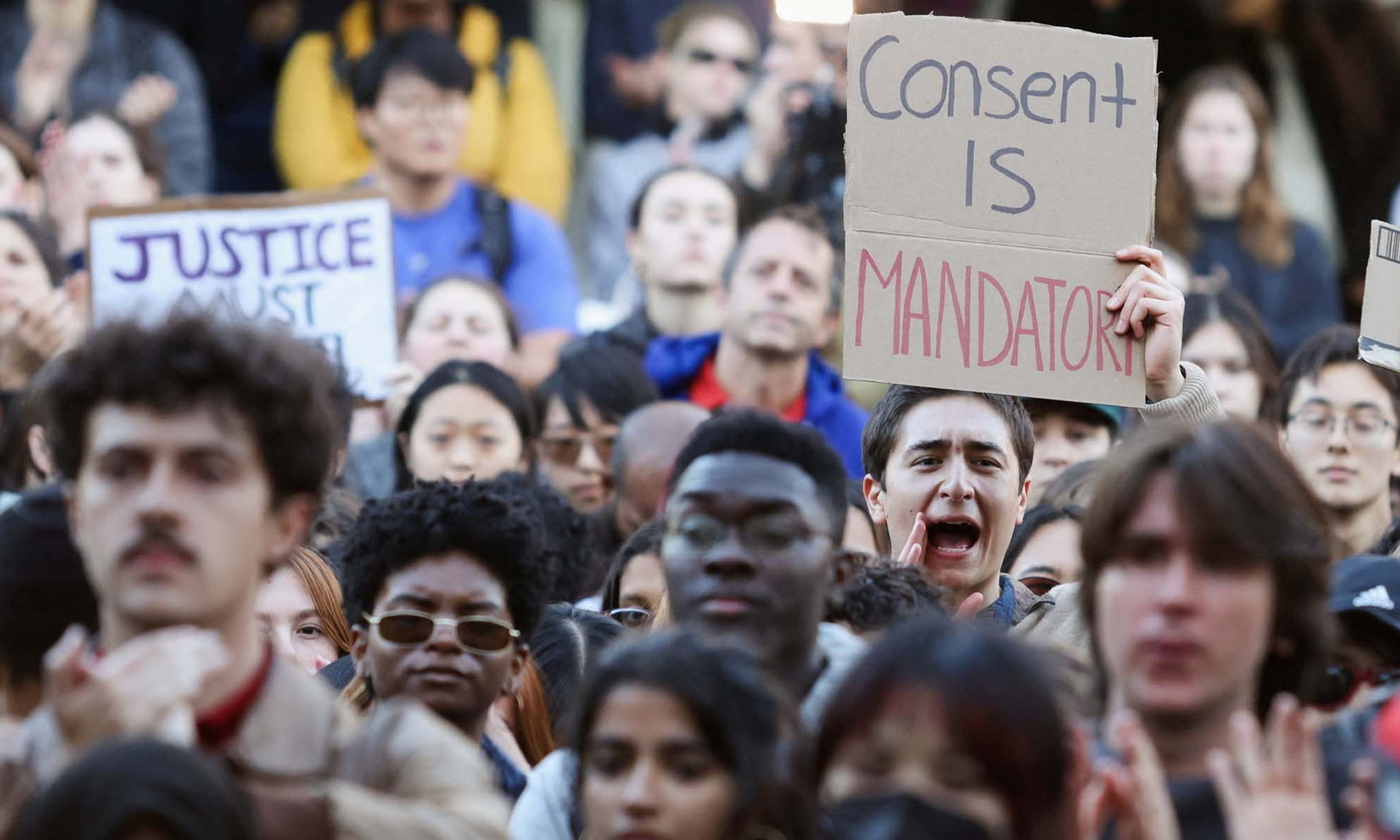
In the context of the discourse over Cornell (which I otherwise intend to continue avoiding), Oliver Traldi, a philosopher at the University of Toledo and an occasional National Review contributor, argues against the familiar complaint that modern sexual ethics has been reduced to “consent.” He says this overlooks all manner of judgments people routinely make about putatively consensual sex. His examples include “misrepresentation, infidelity, mismatched expectations about the future, age and power disparities” and even bad sex, which, he observes, “is frequently moralized.” Josh Barro agrees that these examples demonstrate the persistence of moral standards beyond consent.
I don’t think they establish that at all.





Comments