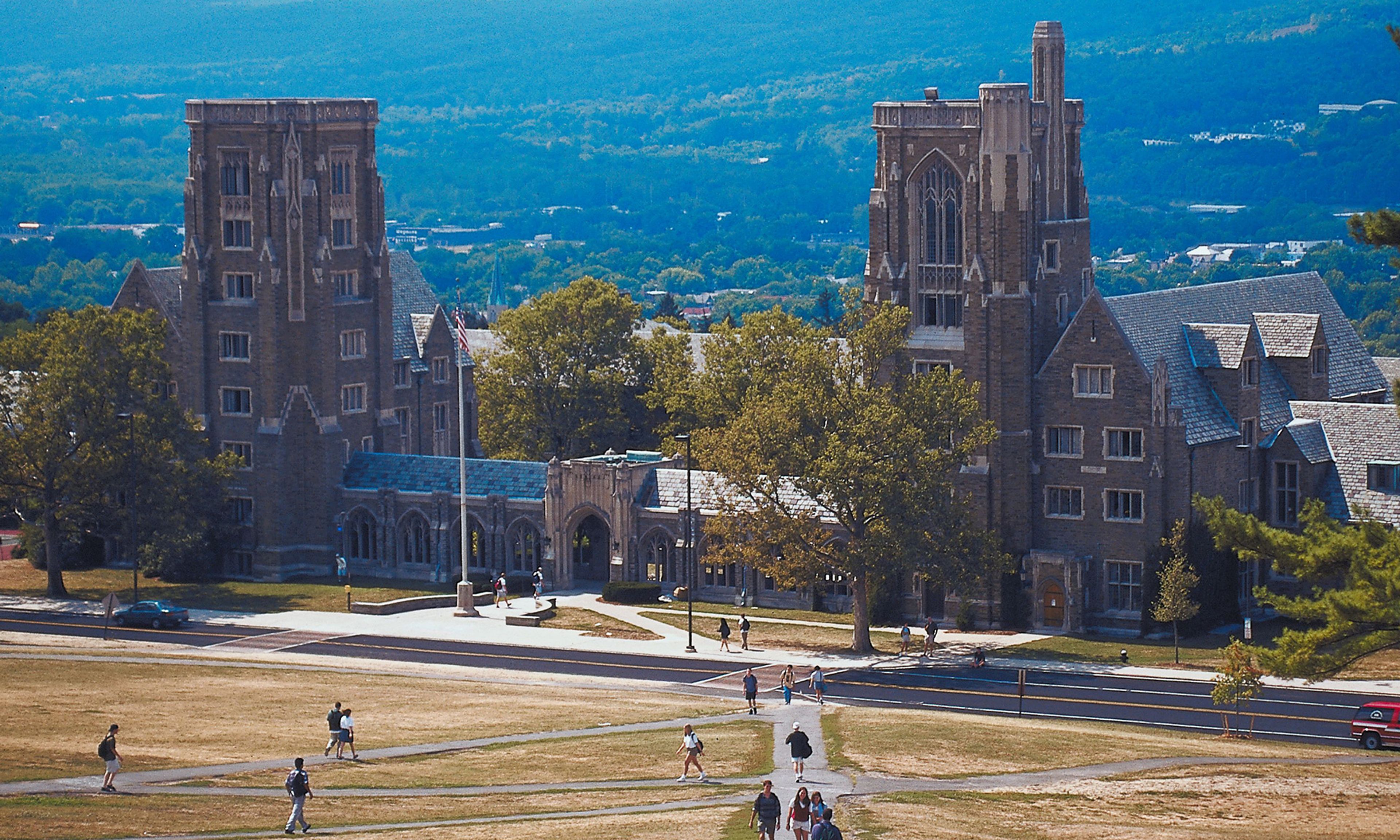
The college student in the age of the coronavirus is used to putting up with quite a bit: regular surveillance testing, vaccine (and now booster) mandates, mask mandates, remote classes, restrictions on social gatherings, the cancellation of university events and traditions. At the beginning of the pandemic, most students, myself included, were willing to accept these burdens, owing to the real risk Covid posed. However, now that we have vaccines, campus restrictions have taken on an increasingly absurd character — ruining the college experience in a (failed) attempt to control a virus that poses minimal risk to students. Indeed, all too many universities, including Cornell University, where I am currently a senior, seem dedicated to an unrealistic “zero-Covid” strategy that will prevent normal campus life from resuming for the foreseeable future.
On December 13, as final exams were beginning, the Cornell administration, facing an Omicron-driven outbreak that had seen over 1,000 students become infected (out of about 15,000 total), announced that the campus would be shutting down. All in-person exams would be moved online, and all student social gatherings, “formal or informal,” were to be canceled. These were the most stringent virus-related restrictions Cornell had imposed since sending students home in March 2020. The campus was stunned: Cornell mandated vaccines, required masks, and tested regularly, yet was having its worst outbreak thus far.



Comments