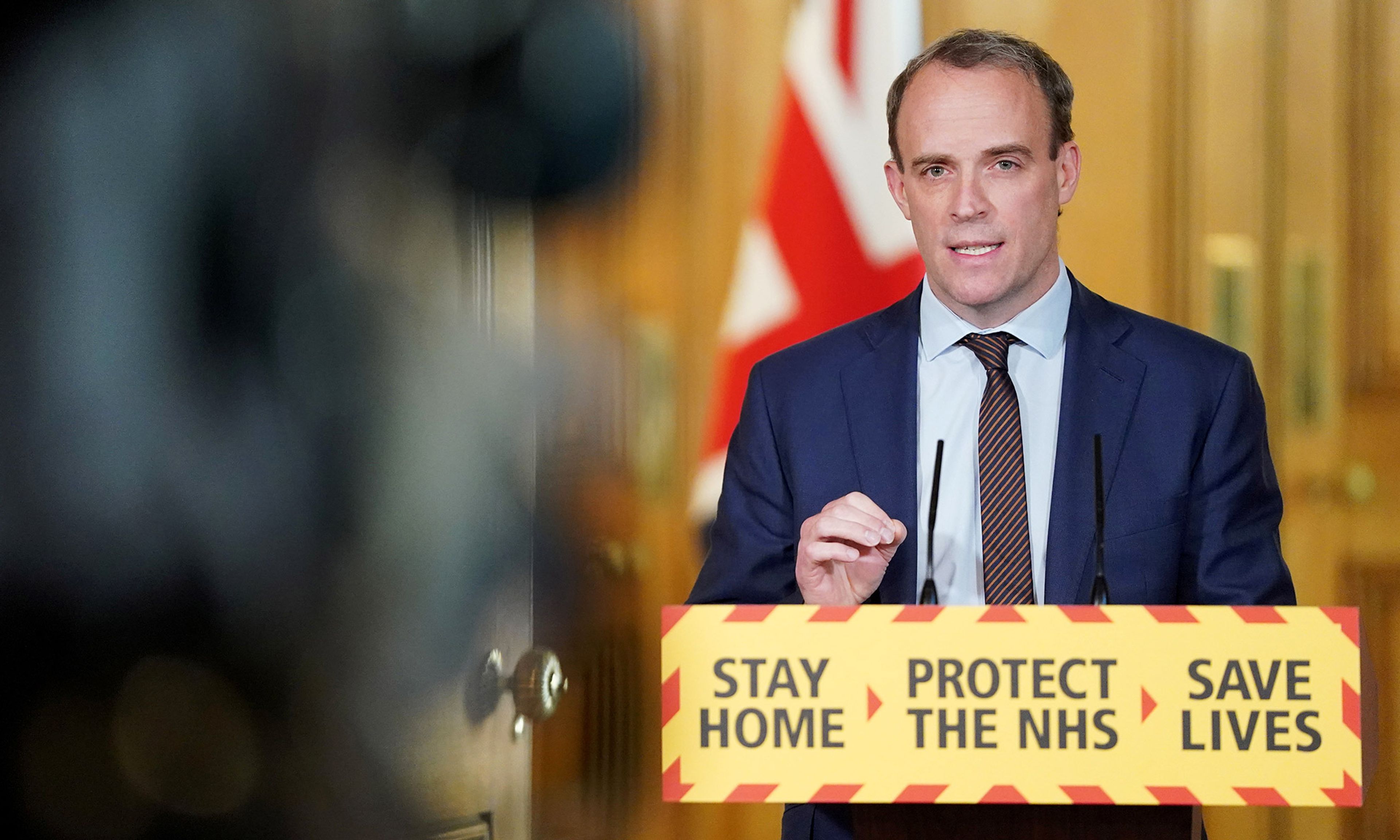
On Thursday, Dominic Raab, Britain’s foreign secretary, announced that Britain is ready for its “next phase” of the lockdowns. Raab said the prime minister will lay out the plans to “ease up” restrictions this weekend. This comes after Britain reached the highest death toll in Europe. At this point, many Brits will be wondering whether the lockdowns were worth it. Personally, I don’t know. I suspect that neither do you. And — I’m beginning to think — that neither do they. They, the politicians, the decision-makers, the officials, the scientists; the people we pay taxes to get us out of tight spots. If the models of the recently disgraced Neil Ferguson are anything to go by, then the U.K. lockdown has saved tens of thousands of lives. But if we’re to listen to Sweden’s leading epidemiologist, Johan Giesecke, instead, then these efforts have been “futile.” That’s a rather large margin of error.
When it was first announced, genuine critics of the lockdown, those who accepted that COVID-19 was a real and serious threat but disagreed that mandatory lockdowns were the correct response, were disregarded as nuts and right-wingers. Peter Hitchens was accused of killing people with this rhetoric. But then some heavyweights came into the fight. People such as the Oxford epidemiologists and Giesecke (the Swedish scientist) and, in the non-science camp, Jonathan Sumption, a widely respected former U.K. Supreme Court justice and historian, nicknamed “the brain of Britain,” who did the rounds in the Times, the BBC, and the Mail on Sunday, making the authoritative anti-lockdown case. Sumption said it “all boils down” to one question: “Is it worth it?” In other words, is the threat of coronavirus worth forcibly confining healthy people to their homes? He said that every citizen is entitled to ask himself this question; indeed, that he ought to ask it. And that he had done so and reached the answer, no.




Comments