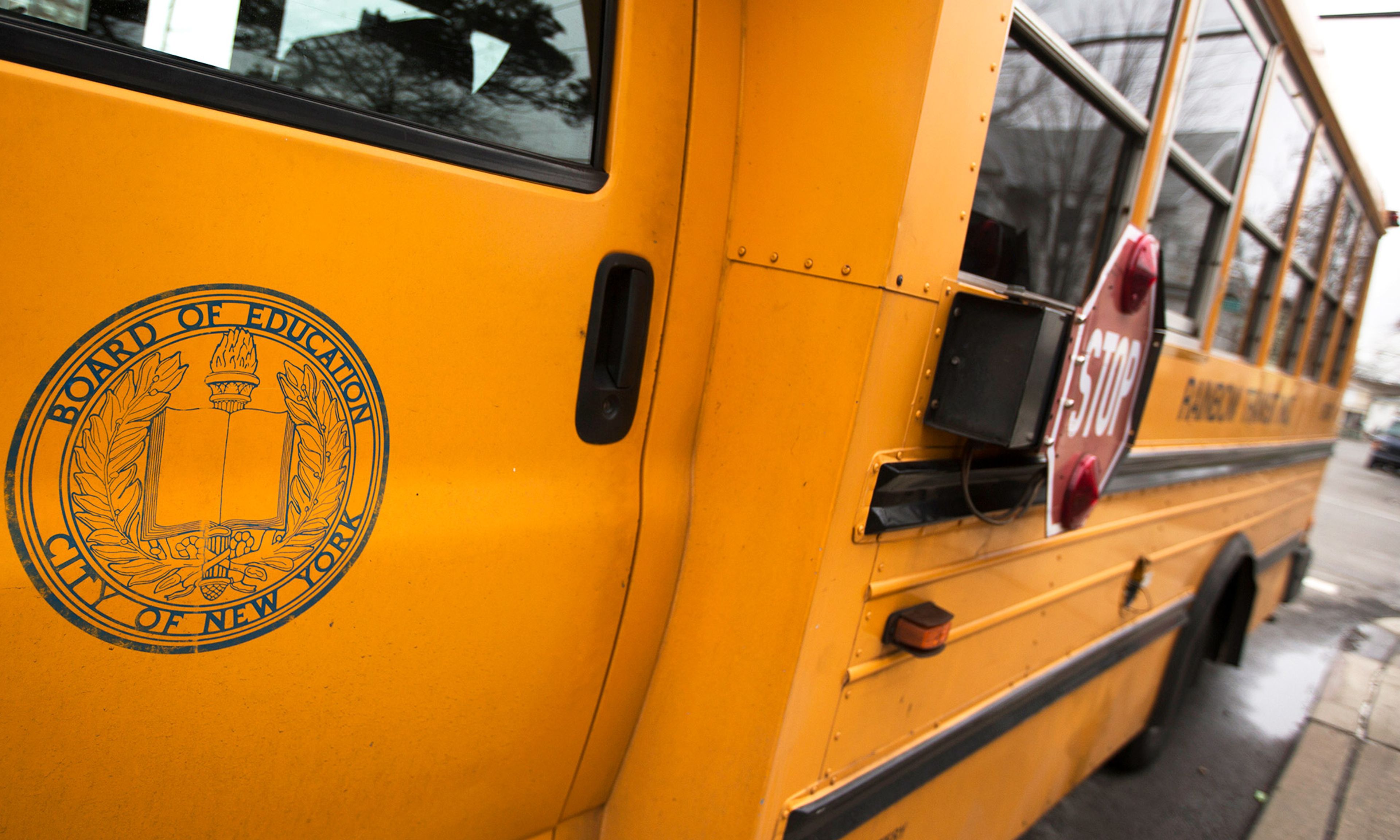
When coronavirus cases began popping up in the New York City area in early March, city and state officials continued to resist shutting down businesses and schools until late in the spread of the disease. City Department of Education (DOE) chancellor Richard Carranza said repeatedly that closing schools would be a “last resort” in the fight against coronavirus because the public schools act essentially as a support system for students living in poverty.
The number of students who rely on schools to provide hot meals and other services is staggering. The New York City school system serves 1,126,501 students, making it by far the largest school system in the country. Of those students, about 750,000 live at or below the poverty line, and 114,000 (10 percent) are considered homeless. There are two categories of homeless students: those who live in shelters, numbering around 36,000, and those who are “doubled up,” whose families have moved in with distant relatives or friends after losing their home. Students who are doubled up often face overcrowding, with multiple families living in the same apartment. The number of homeless students has topped 100,000 four years in a row.

Comments