I remember the first time I thought about World War III. It was October 22, 1962. As President John Kennedy addressed the nation about the “unmistakable evidence” of nuclear-tipped Soviet missiles in Cuba, my dad whispered to my mom, “This may be World War III.”
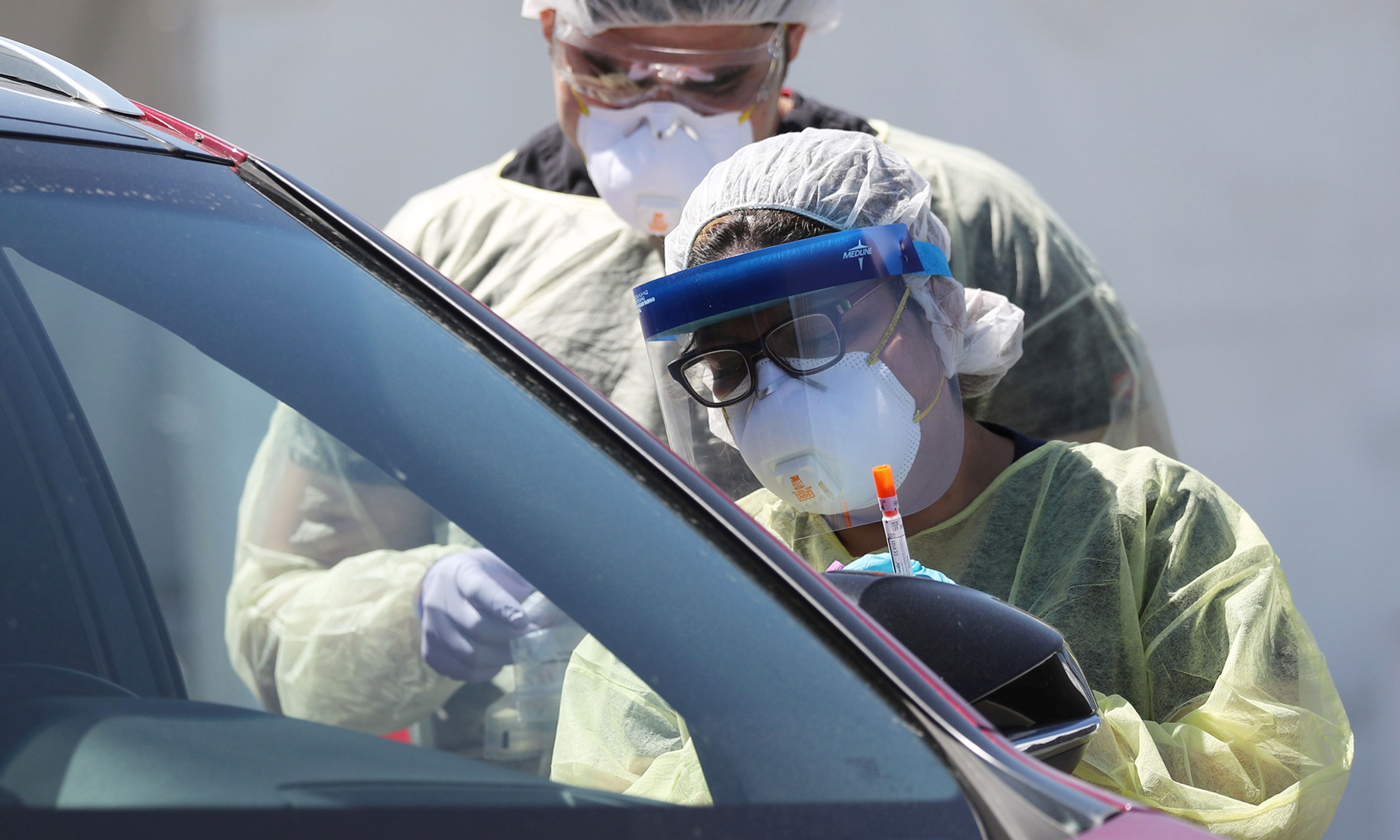
Thankfully, Dad was wrong. But during the first two decades of my military service, the possibility of WWIII between the U.S. and the Soviets remained a serious threat until the collapse of the Soviet empire. By the time I became a professor and department chairman at the National War College (NWC) in 1998, I had become convinced that the most serious threat to national security was not Russian or Chinese missiles, but a pandemic — either man-made or naturally occurring. I was so convinced, I hired Dr. Robert Kadlec — the first physician to serve on the faculty at NWC. Several of the “old cold warriors” on the faculty could not understand. They asked, “What is he going to do? Give us flu shots?” (Dr. Kadlec continued his work on the national-security aspects of pandemic preparedness during two tours on the National Security Council, and he now serves as the assistant secretary of preparedness and response at the Department of Health and Human Services.)



Comments