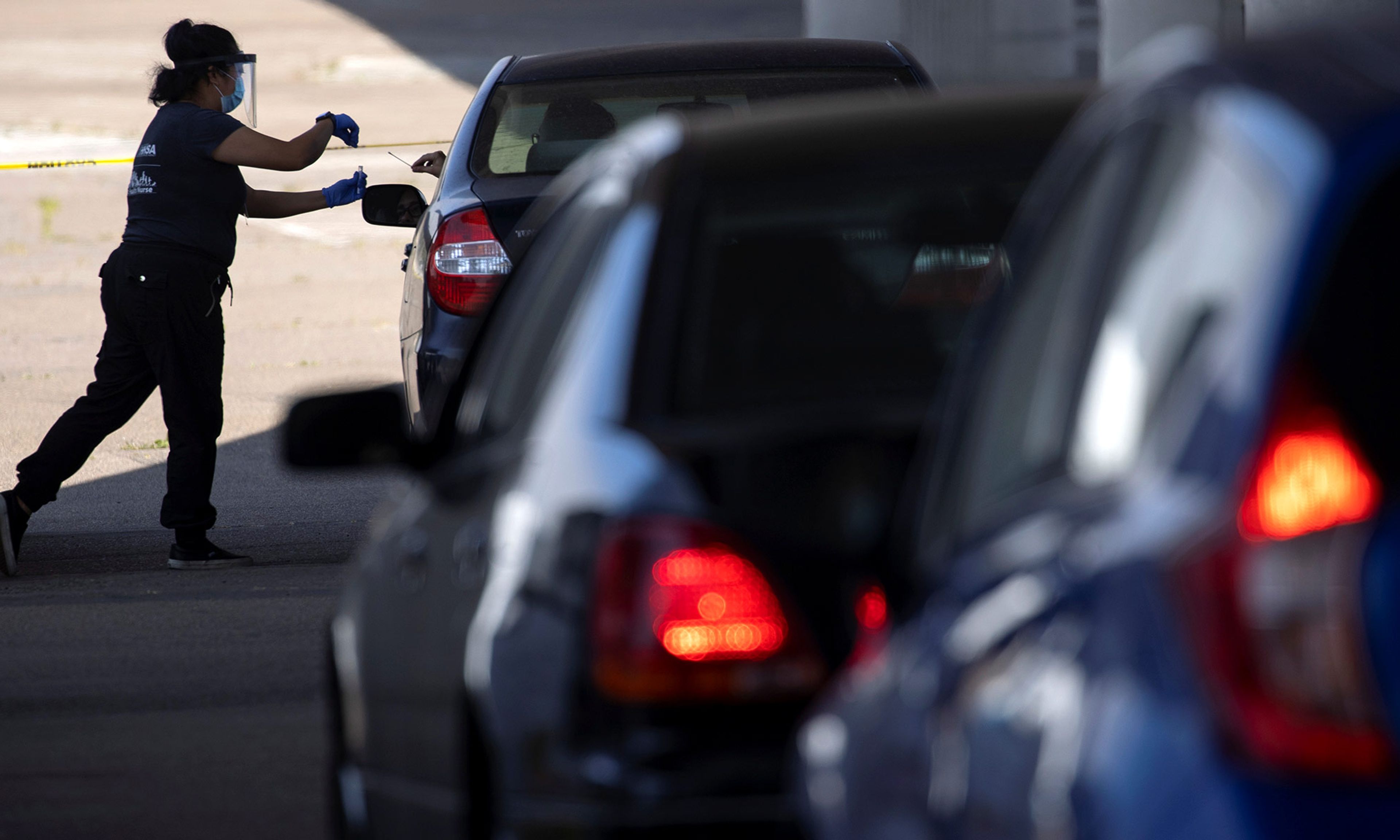
The COVID-19 pandemic is expected to cost the U.S. government trillions of dollars in spending and lost tax revenue in the absence of any second peak. While the government response to the crisis has been less than optimal, it’s interesting to note that in 2016, the World Health Organization described the America’s ability to handle a pandemic as “outstanding.” Despite the actual U.S. capacity for managing a caseload of new infectious diseases being startlingly low, America was comparatively well-prepared.
This probably says more about the state of affairs everywhere else than it does about the U.S. In the United Kingdom, for instance, equipment in the national pandemic stockpile was allowed to expire without replacement in 2019. If this doesn’t give you pause, it should. Isn’t the idea of a stockpile that it’s ready to go when you need it? Shouldn’t an outstanding response capability be one that will, well . . . work?




Comments