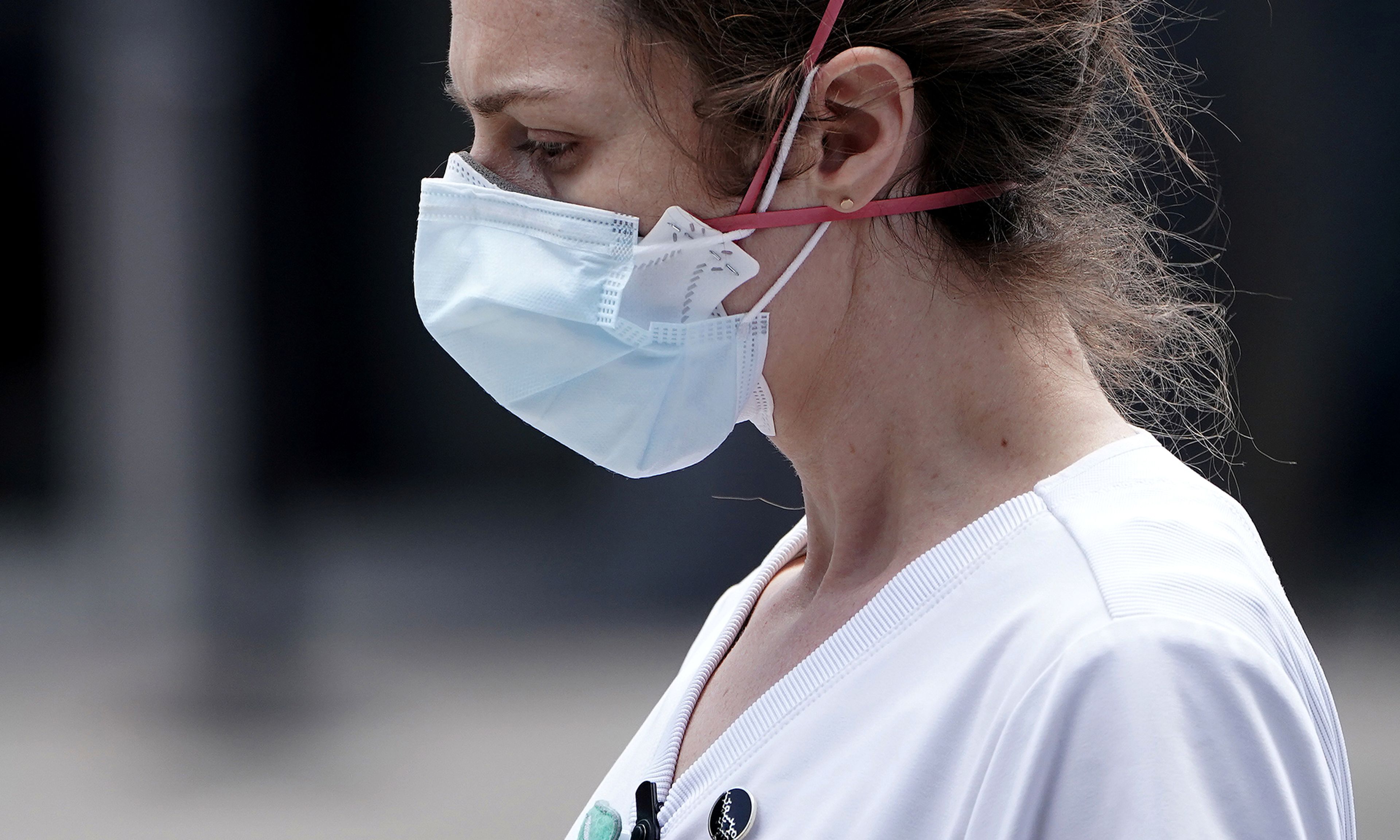
Federal and state governments are stepping up to support their health-care workforces during the COVID-19 (coronavirus) pandemic, the most significant public-health challenge to face our country in generations. Federal agencies and governors are already taking up several measures to allow doctors to practice across state lines, protect them from meritless lawsuits during the crisis, and enhance their ability to use telehealth services. The next step in the process, though — particularly for states — will be to unleash the potential for health-care professionals who don’t have an “M.D.” next to their name: nurses, nurse practitioners, physician assistants, and more.
Doctors are, of course, on the front lines of the COVID-19 crisis. But supporting them is not the only way to expand the health-care workforce’s capacity to deal with any surges in patient demand from the pandemic. According to the Bureau of Labor Statistics data, in 2018, there were 756,800 physicians and surgeons. But there were 118,800 physician assistants (PAs), 240,700 advanced practice registered nurses (APRNs), 728,900 licensed practical nurses (LPNs), and a whopping three million registered nurses (RNs). That’s a workforce of 4.1 million non-physician health-care professionals, 5.5 times the size of the physician and surgeon workforce.




Comments