Correcting the Record on William F. Buckley Jr. and Civil Rights

When it comes to civil rights, many commentators relate what Buckley’s opinions were in the 1950s but fail to note his subsequent changes of heart and mind.

Share this story

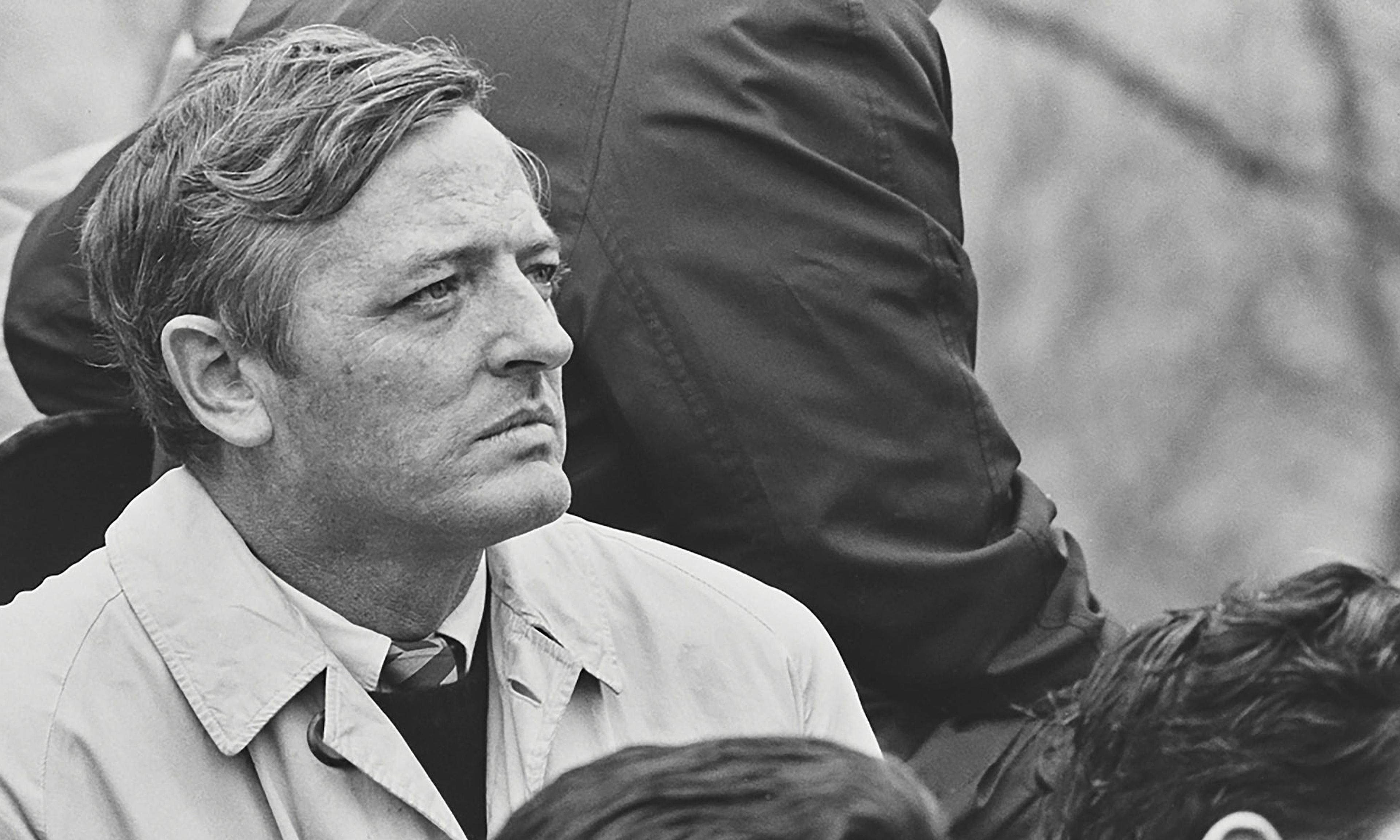
William F. Buckley attends a Martin Luther King speech outside the United Nations building in New York City, April 15, 1967.

Santi Visalli/Getty Images

Since William F. Buckley Jr. passed from the scene, he has been the subject of three biographies (including mine), two published collections of his most notable essays, and a documentary and a play recounting his “distasteful encounter” with Gore Vidal. Last week, Buckley was featured in PBS’s American Masters Series.

In approaching a figure as multidimensional as Buckley, one must be selective. One would have to include publication of God and Man at Yale, his founding of National Review, Buckley’s early opposition to federal civil-rights legislation, his run for mayor of New York City, Firing Line, and his consequential friendship with Ronald Reagan.

Alvin S. Felzenberg

About the Author

Alvin S. Felzenberg

Alvin S. Felzenberg is the author of A Man and His Presidents: The Political Odyssey of William F. Buckley Jr. and The Leaders We Deserved (and a Few We Didn’t): Rethinking the Presidential Rating Game.

Comments

Advertisement

Advertisement


