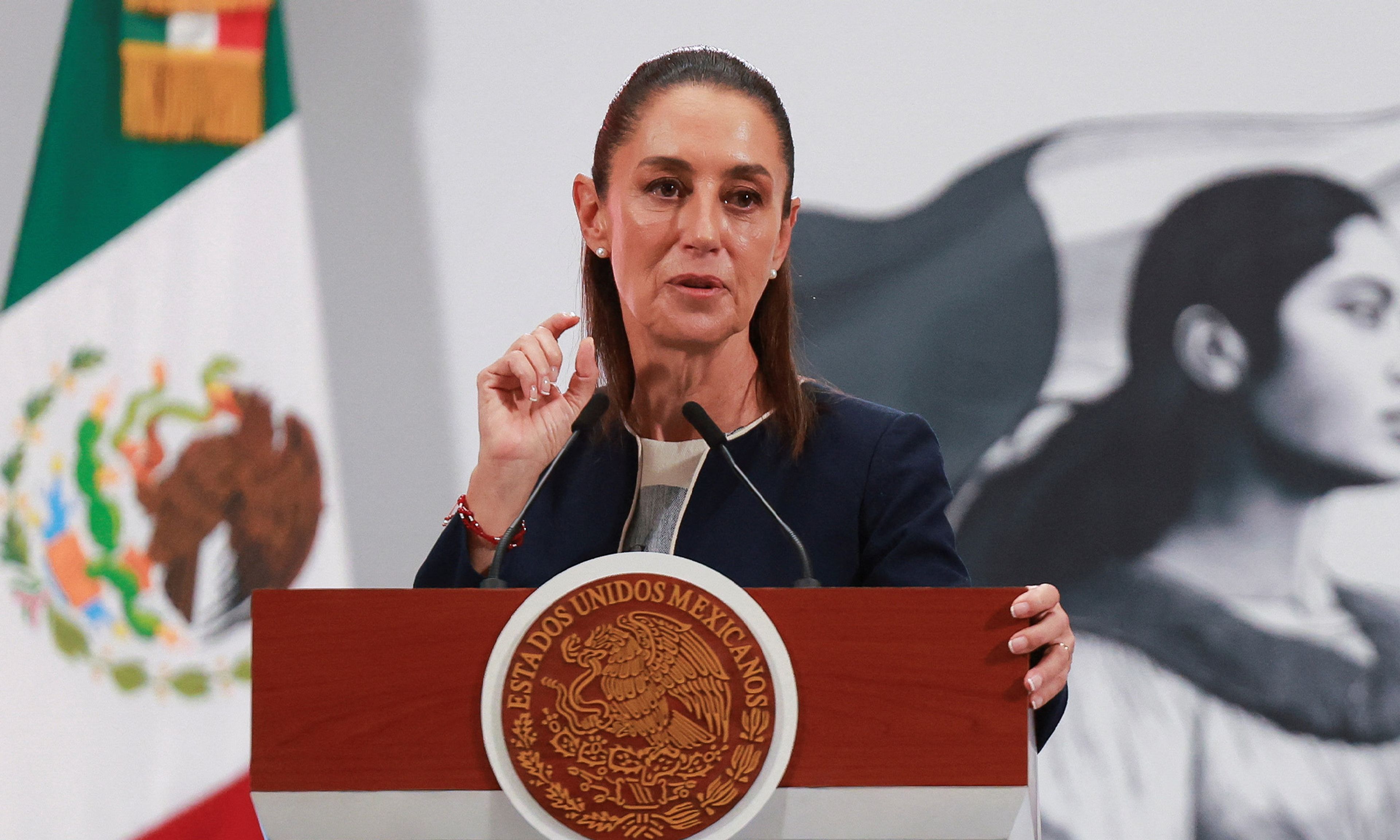
Kremlinology used to be a going concern in American statecraft and intelligence. Peering into opaque and autocratic systems with insufficient direct access, the men helming United States policy and forecasting would seek heuristics for understanding. Causation and motive were difficult in this respect, but outcomes became easier. I specifically recall an academic, reputedly with a three-letter agency past, telling me that the secret to discerning Soviet succession lay in the funeral arrangements of the deceased premier. (This was a frequent exercise in the 1980s.) Another veteran of the intelligence community volunteered that Chinese-Communist intra-party affairs were to a remarkable extent explicable by FBI models developed for understanding the Mafia. There is no new thing.
That discipline of reading the signs and signals while seeking esoteric meanings — beloved, perhaps, of a West Coast Straussian but not a forte of American statecraft now — makes itself necessary and compelling in understanding current events within Mexico’s regime. That regime, almost wholly in the grip of the left-autocratic Morena party, has been sending forth multiple signals as its crisis versus the United States continues to worsen, and there are two especially worth noting. The stakes for that regime are existential — and the effects upon an America that suffers directly from Mexican civic dysfunction, even as we benefit from Mexican commerce, are profound.




Comments