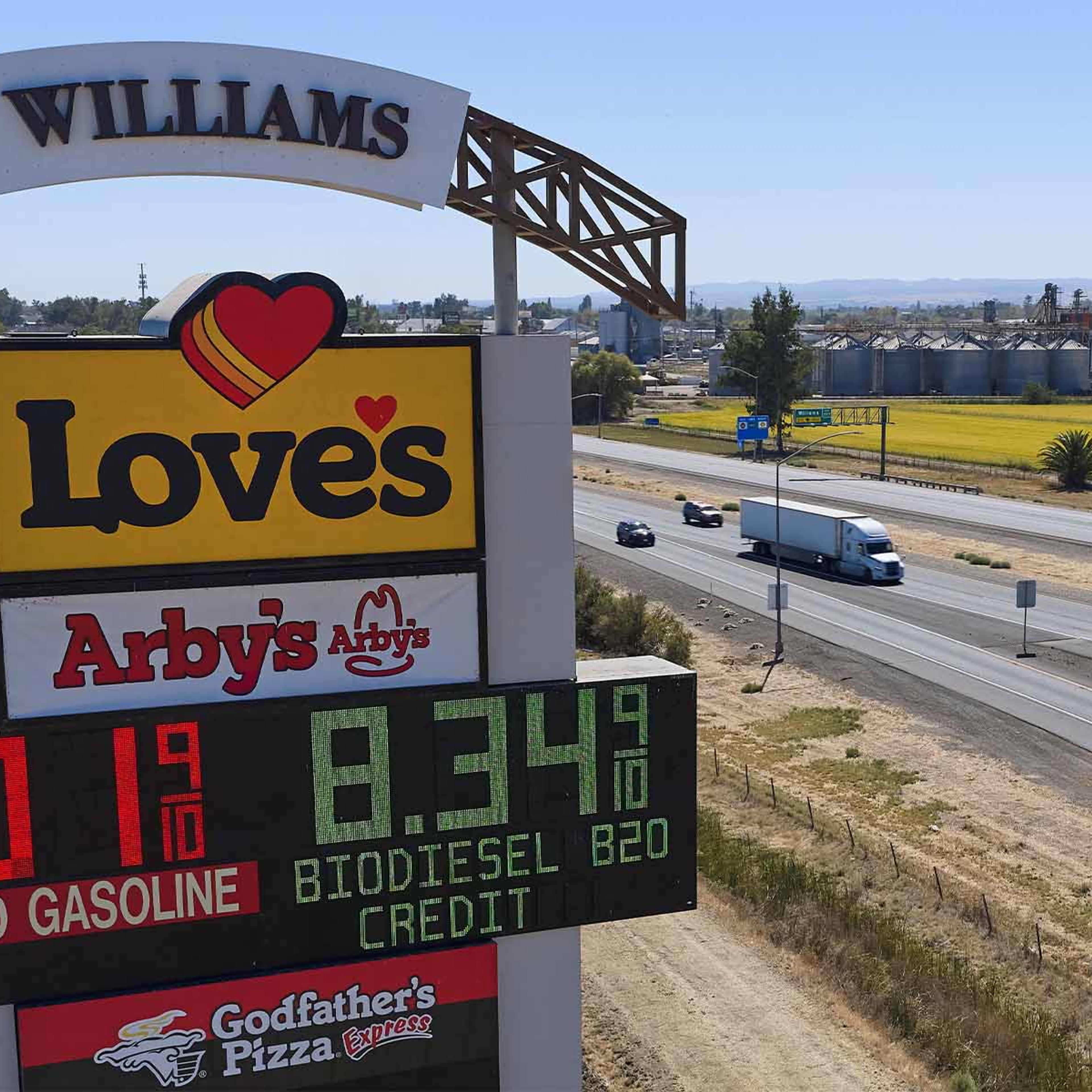
Every serious economist knows that rising oil prices contribute to rising inflation. Oil is so broadly used across economic sectors that an increase in its price finds its way into the prices of virtually all goods and services. My airline tickets now contain a fuel surcharge, as do my monthly gardener’s bills and my limo fees to the airport.
Many economists remember the surges in inflation that accompanied the OPEC-induced oil-price increases in the early and later 1970s. The recent rise in oil prices has similarly contributed to increased upward pressure on the costs of goods and services, as reflected in a gradual rise in the producer price index (PPI) and the consumer price index (CPI). Fortunately, rising productivity and falling technology prices have kept a lid on these inflation barometers.
Measurements of inflation, meanwhile, are quoted on both an actual and “core” basis, the latter of which subtracts volatile energy and food costs. Unfortunately, the less volatile core inflation rate has been concerning some policymakers. As a result, there are indications that the Federal Reserve will continue to raise interest rates, the idea being that higher rates will curtail economic activity, slow the economy, and ultimately cause a downturn in inflation.
One problem with such a Fed policy is that it is a little like trying to put out a fire by throwing gasoline on the flames. For most businesses, interest rates are a cost of doing business. Also, interest rates are as broad a part of the economy as are energy prices. When the cost of credit continues to creep up, it adds incrementally to the cost of doing business — even as demand falls and prices rise as a result, and even at reduced levels of production. Therefore, there is no denying that the Fed contributes to rising prices.
In the old days when the Fed bumped up the federal funds rate in increments of 50 or 100 basis points, the interest-rate induced price increases occurred quickly. In today’s world of quarter-point hike gradualism, the “inflation” caused by rising interest rates is much less visible. Additionally, higher interest rates contribute to the rising costs of building materials and the transportation of such materials. This reality means that, even as the housing market slows, interest-rate increases will cause the cost of building a new home to rise. But few blame the Fed for such pressures.
Also little noted is that the household sector is actually a net receiver of interest payments. Data provide evidence that by increasing interest rates the Fed has directly supported nominal personal income in the household sector. The Fed’s high-interest-rate policy is shifting wealth from credit users to investors.
The other side of that equation is also true: When the Fed lowers interest rates it lowers the cost of producing goods and services. The Fed’s policy of reducing the key interest rate from 6 percent in early 2001 to a low of 1 percent in June 2003 coincided with a period of deflationary fears. While the Fed was hoping to stimulate business recovery by lowering interest rates, a revival didn’t happen until after the massive Bush fiscal stimulus package was implemented in 2003.
The recent volatility in financial markets has been attributed to hints from various Federal Reserve officials that further increases in the funds rate may or may not be necessary to contain inflation. Yet increases in those interest rates will contribute to, not mitigate, inflationary statistics. Not until there is some critical breakdown in the economy and a fall in demand sufficient enough to reduce the consumption of oil will inflation decline. The subsequent weakness in economic activity, rising unemployment, rising budget deficits, and new lows for the stock market would be a high cost to pay for such Fed policy experiments.
– Thomas E. Nugent is executive vice president and chief investment officer of PlanMember Advisors, Inc., and principal of Victoria Capital Management, Inc.

Comments