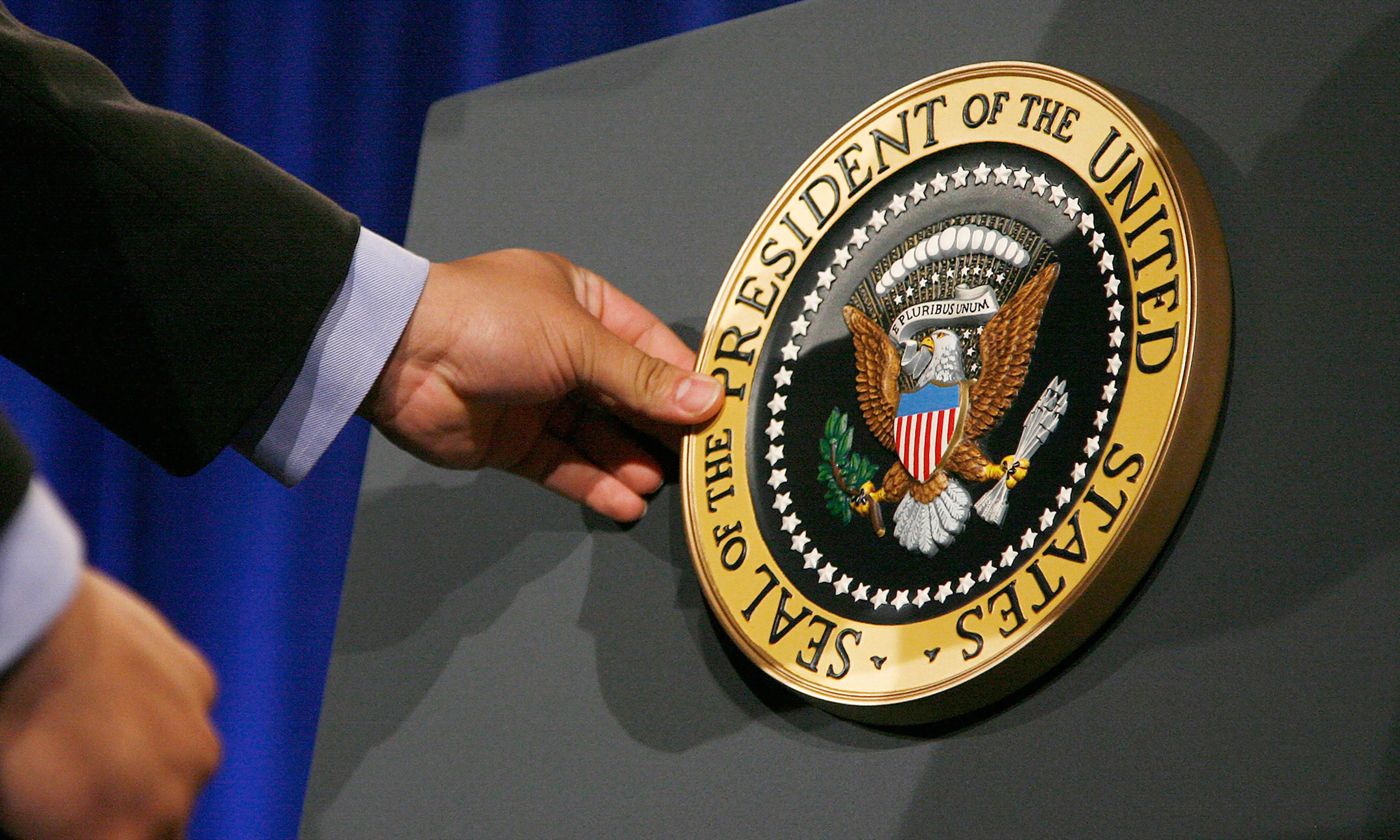
Under our nation’s pre-1789 government, a single legislative branch managed to select the right military commander for the American War of Independence and with him defeated the most powerful nation on earth to achieve full political independence. No president needed. When Alexander Hamilton was asked about the problem of that American government, he did not think of a need for an executive: “The fundamental defect is a want of power in Congress,” he said.
Imagine if he could see it now. Congress has simply surrendered to the president some of its most important powers. Or, more troubling, it has given over its powers to the presidency as an institution, apart from any president. It has handed these powers over to a nebulous set of executive-branch institutions and figures that the elected president may hardly control.




Comments