Darwinian Racism: How Darwinism Influenced Hitler, Nazism, and White Nationalism, by Richard Weikart (Discovery Institute, 187 pages, $15.95)
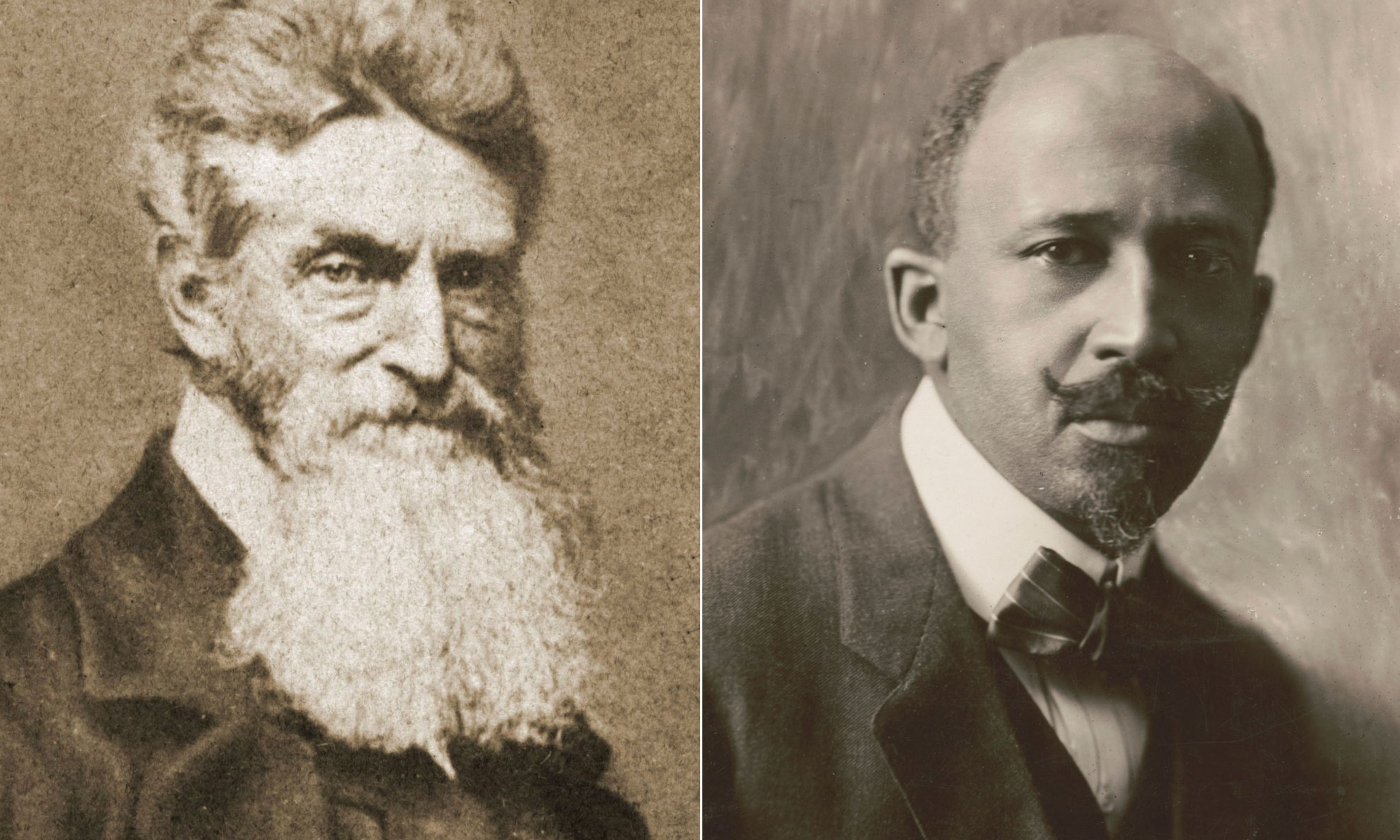
In 1909, on the 50th anniversary of the execution for treason of the radical-Christian abolitionist John Brown, the black intellectual W. E. B. Du Bois published a tribute to him, who in his own time and after his death, during the subsequent American Civil War, had become an inspirational martyr for anti-slavery, anti-racist whites and blacks. But Du Bois was confronted with a logical and rhetorical problem that he struggled to overcome in his tribute. After the Civil War and the death of Lincoln, “those that stepped into the pathway marked by men like John Brown faltered and large numbers turned back,” Du Bois wrote. “They said: He was a good man — even great, but he has no message for us today — he was a ‘belated [Protestant] Covenanter,’ an anachronism in the age of Darwin, one who gave his life to lift not only the unlifted but the unliftable.”





Comments