If there’s anything that we all care about, it’s “the children.” Almost everything Democratic President Bill Clinton ever did was for “the children.” Republican President George W. Bush long ago made the slogan of the liberal group the Children’s Defense Fund — “Leave No Child Behind” — his own. We will do everything for “the children”: Spend untold taxpayer dollars on them, tuck them away in bicycle helmets, get hysterical about any perceived threat to their health or safety — anything but acknowledge the harm done to them by day care.
In a devastating new book, Day Care Deception, Brian C. Robertson marshals the overwhelming evidence about the risks of day care and explains why much of academia and the media try to cover it up. Any negative information about the effects of day care is considered out of bounds because it will upset one of liberalism’s most sainted groups: working mothers, whom feminists adore as the vanguard of their assault on the “patriarchy.”
The drum roll of day care’s negative effects on kids includes higher rates of illness, including acute respiratory illness, ear infections and diarrhea; insecure attachment to their mothers; more aggressive behavior; and in the case of children of well-educated mothers placed in poor-quality care, slowed cognitive development.
Burton White, former director of the Harvard Preschool Project, writes, “After more than 30 years of research on how children develop well, I would not think of putting an infant or toddler of my own into any substitute-care program on a full-time basis, especially a center-based program.”
White’s forthrightness is rare. More typical is the surrender of the late Dr. Benjamin Spock. For years he maintained that nurseries are “no good for infants.” But by the 1990s, he had dropped the advice, because it made working mothers feel guilty. “It’s a cowardly thing that I did,” he explained. “I just tossed it in subsequent editions.” Researchers and journalists who are themselves working moms have a similar impulse. “I wanted to find that the child care was good,” pro-day-care researcher Allison Clarke-Stewart has said. “I’m a working mother.”
Despite the widespread use of day care and the propaganda campaign on its behalf, parents know it isn’t best for kids. According to a comprehensive survey of parents in 2000 by the New York-based polling agency Public Agenda, parents say one parent staying at home is better than “quality” day care for kids under 5 by a margin of 70 percent to 6 percent. It should be a goal of public policy to make it easier for these parents to act on their natural instincts.
Our onerous tax regime, which tends to force both parents into the workplace, is the place to start. According to Robertson, about half of married couples with children in the mid-1950s paid no federal income tax, thanks to a generous $3,000 personal exemption. If this exemption had kept up with inflation, it would be $10,000 today. The tax code’s dependent-care tax credit is, perversely, only available for parents who go to licensed day-care providers, a bias in favor of commercialized care that is worse for kids than the informal care provided by grandparents and neighbors.
If it were financially possible, many mothers would — to feminists’ dismay — stay at home with their young children or work part-time while relying on informal day-care arrangements. Indeed, there has recently been a slight downturn in the number of mothers who re-enter the workforce within the first year of a child’s birth — probably as a result of increases in the child tax credit.
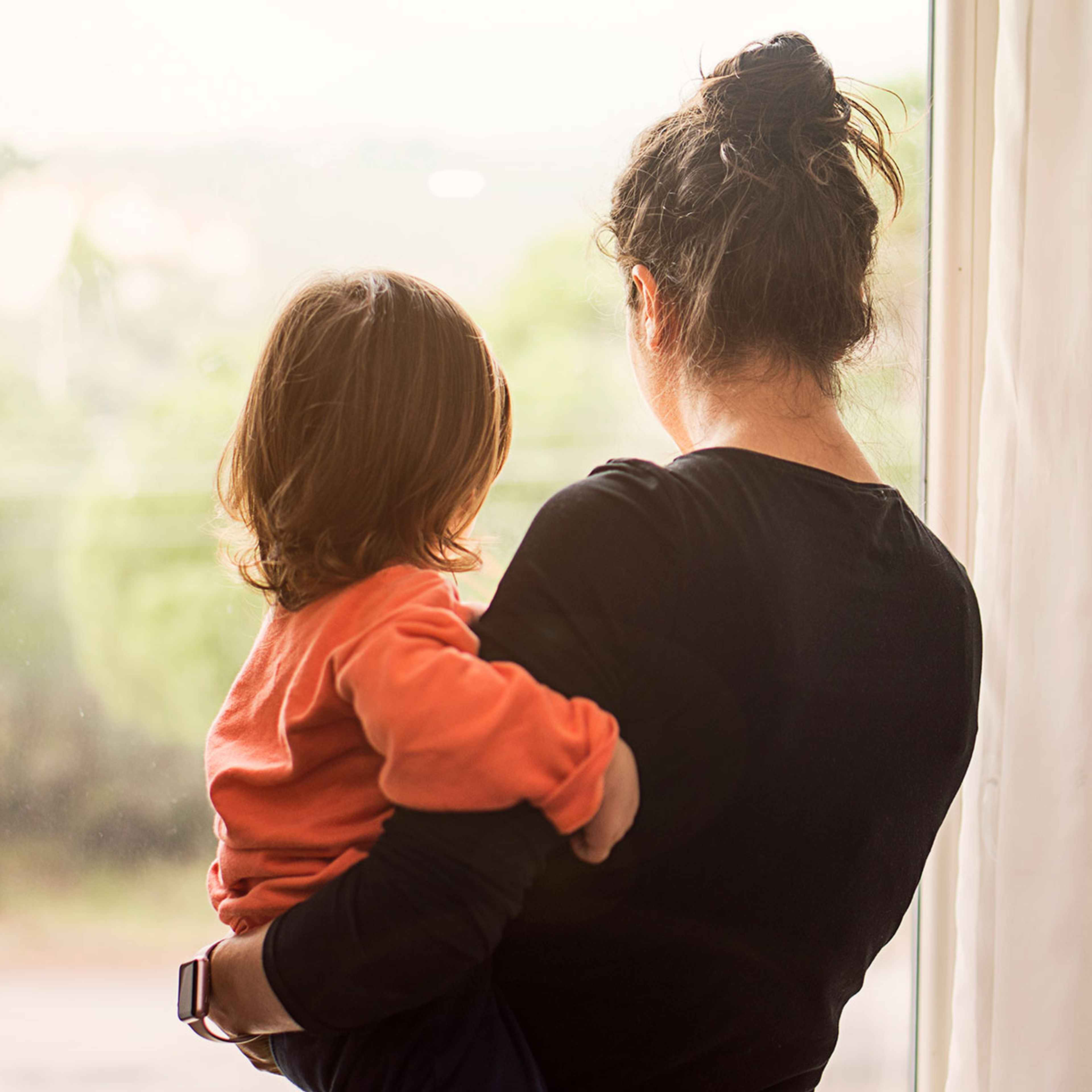
The biggest, most important change would be for the culture to stop showering praise and adulation on working moms in order to save some for those mothers who make the personal and financial sacrifices necessary to stay at home with their young children. No group in our society is so selfless or does so much for “the children” as stay-at-home moms. But we value some contributions to children’s well-being more than others.
© 2002 by King Features Syndicate




Comments