
Americans are dying more. Not just poor white Americans — that we already knew — but Americans as a whole, according to preliminary data for 2015 that the Centers for Disease Control (CDC) released yesterday. That hasn’t happened since 2005, and the numbers are adjusted for age, so the difference can’t be chalked up to an older population.
It’s not time to panic yet. This is just one year of preliminary data — just two or three quarters for some causes of death — and the overall death rate rose less than 1 percent, from 723.2 to 729.5 per 100,000. But lurking in the numbers are some highly troubling early patterns, particularly when it comes to Alzheimer’s, homicides, and drug overdoses.
One way to approach the data is to look at the major players: The rate rose by 6.3 per 100,000; where did that come from? By far, the biggest shifts were for Alzheimer’s and cancer. Alzheimer’s deaths rose by 3.8 per 100,000 — more than half of the total rise in the death rate, and an unusually abrupt jump for the disease, which rose steeply in the early 2000s but then leveled off. It’s not clear why Alzheimer’s deaths rose even after adjusting for age, and it doesn’t help that they are significantly undercounted on the death certificates the CDC relies upon. But cancer nearly cancelled it out, falling by a respectable 3 per 100,000.
Beyond that, what’s amazing is how widespread the increases are. The CDC released data for 20 causes of death — though a few overlap, like homicides, suicides, and gun deaths — and the trend was positive for almost all of them. Besides cancer, HIV also fell, and the pneumonia/flu category was flat. But heart disease, falls, accidents, Parkinson’s, stroke, suicide, liver disease, the list goes on: Those all rose, if only slightly.
What’s amazing is how widespread the increases are.
The data also contain warning signs about causes of death that are too rare to significantly affect the overall rate. For example, the homicide rate was 5.1 per 100,000 in 2014, so it couldn’t realistically change by 3 per 100,000, as did cancer (which started at 160.9 per 100,000). Nonetheless, homicide is important: It’s an indicator of societal health, it affects young people more than most other causes of death, and it is increasing meaningfully.
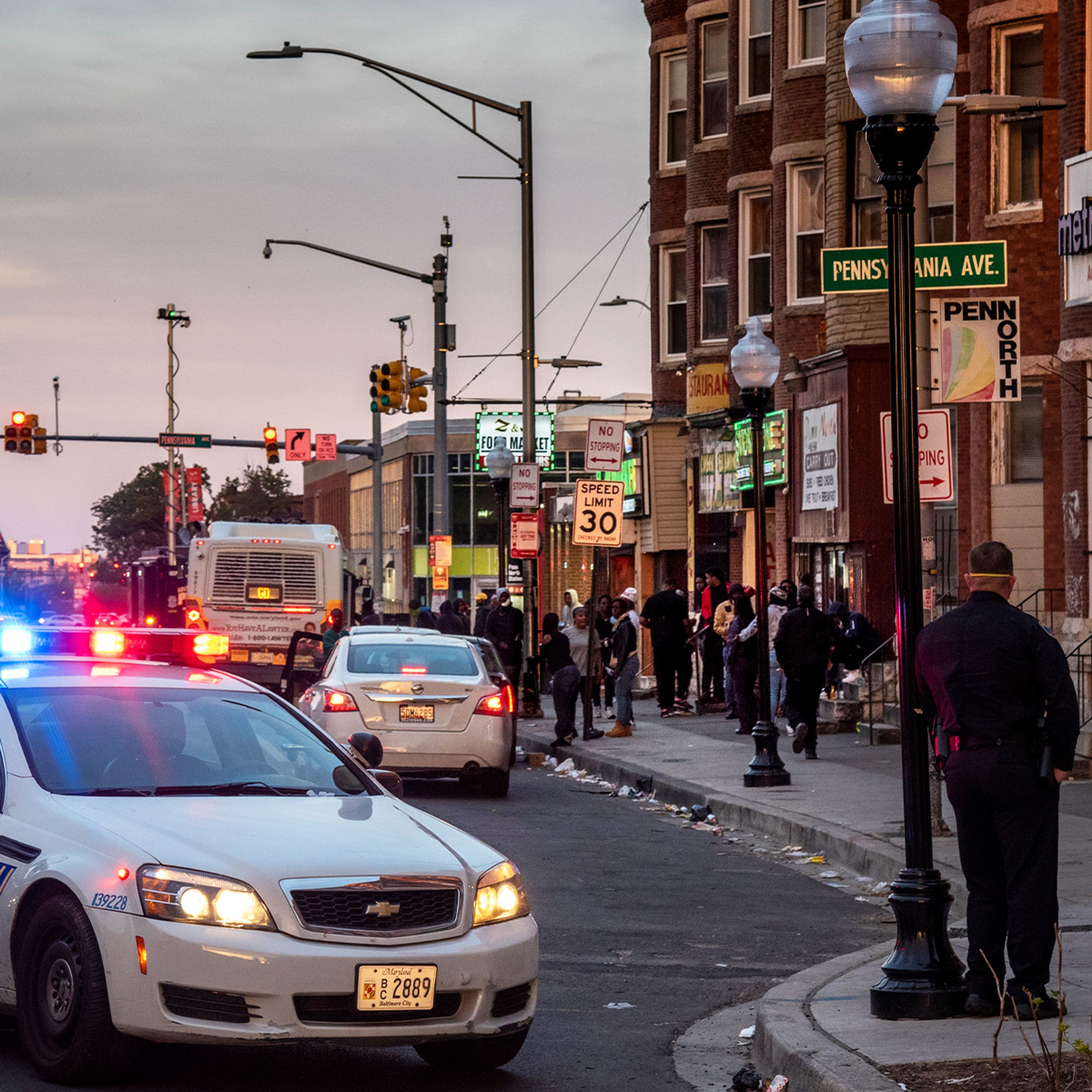
In the year ending with the third quarter of 2015 — the latest number the CDC provides — the national homicide rate was 5.5 per 100,000. That’s roughly an 8 percent rise over the number recorded a year prior, 5.1, confirming previous analyses that relied on data from city police departments. The evidence suggests that increasing homicide is concentrated in cities with large populations of poor blacks, and partly results from decaying relations between police and those communities. Some call it the “Ferguson Effect.”
Then there are drug overdoses, which slowly spiraled out of control for more than a decade before the mainstream media took notice, and which are concentrated in areas with large populations of poor whites. It doesn’t look like 2015 will be the year that ODs finally level off. The new data end with the second quarter, but for the year concluding then, the rate was 15.2. Rewind to the year ending with the second quarter of 2014, and the number was 14.1.
As with homicides, that’s about an 8 percent increase — a bigger rise, proportionally, than any other cause of death except Alzheimer’s, which rose about 15 percent.
There are many questions these data don’t answer. Unlike the final numbers that will be available months from now, they are not even broken down by demographic groups and geographic areas. And don’t forget: These are preliminary data, and Americans’ total death rate rose less than 1 percent.
But that will hardly be reassuring to those with a nagging feeling that things are getting worse instead of better.





Comments