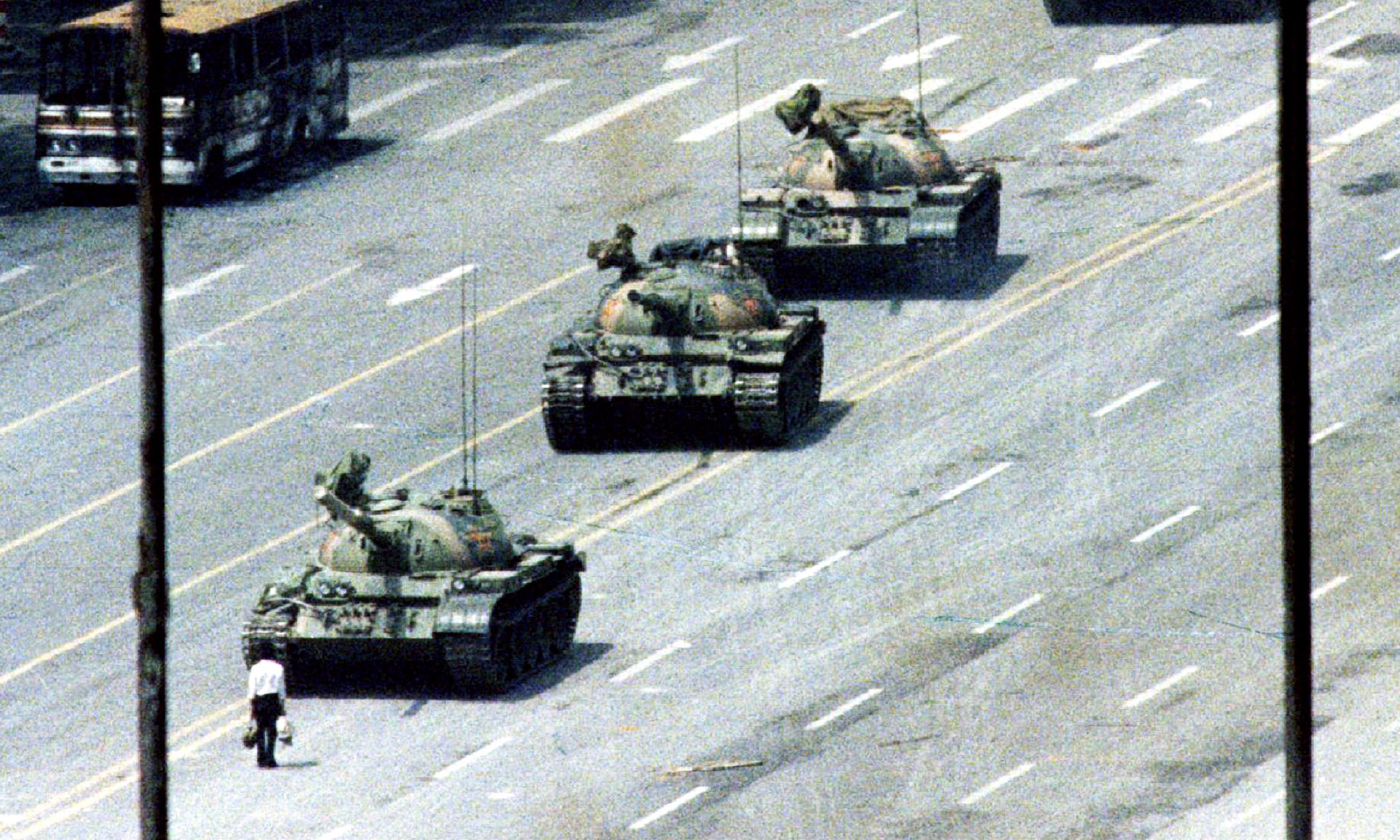
Tomorrow marks the 37th anniversary of the Tiananmen Square Massacre. In commemoration, I would like to reopen a question that has lingered for decades, and one that remains relevant in the West today: What gives a soldier the courage to refuse an order that endangers the very people his uniform is meant to protect?
I cannot find a better answer to this question than the one contained in the six-hour recording of a 1990 Chinese military trial surfaced late last year. The footage shows the court-martial of General Xu Qinxian, commander of the elite 38th Group Army of the People’s Liberation Army, who in May 1989 rejected the directive to lead heavily armed troops into Beijing to enforce martial law and suppress the massive Tiananmen pro-democracy movement. For that refusal, General Xu was imprisoned for five years and lived the remainder of his life under strict surveillance until his death in 2021.




Comments