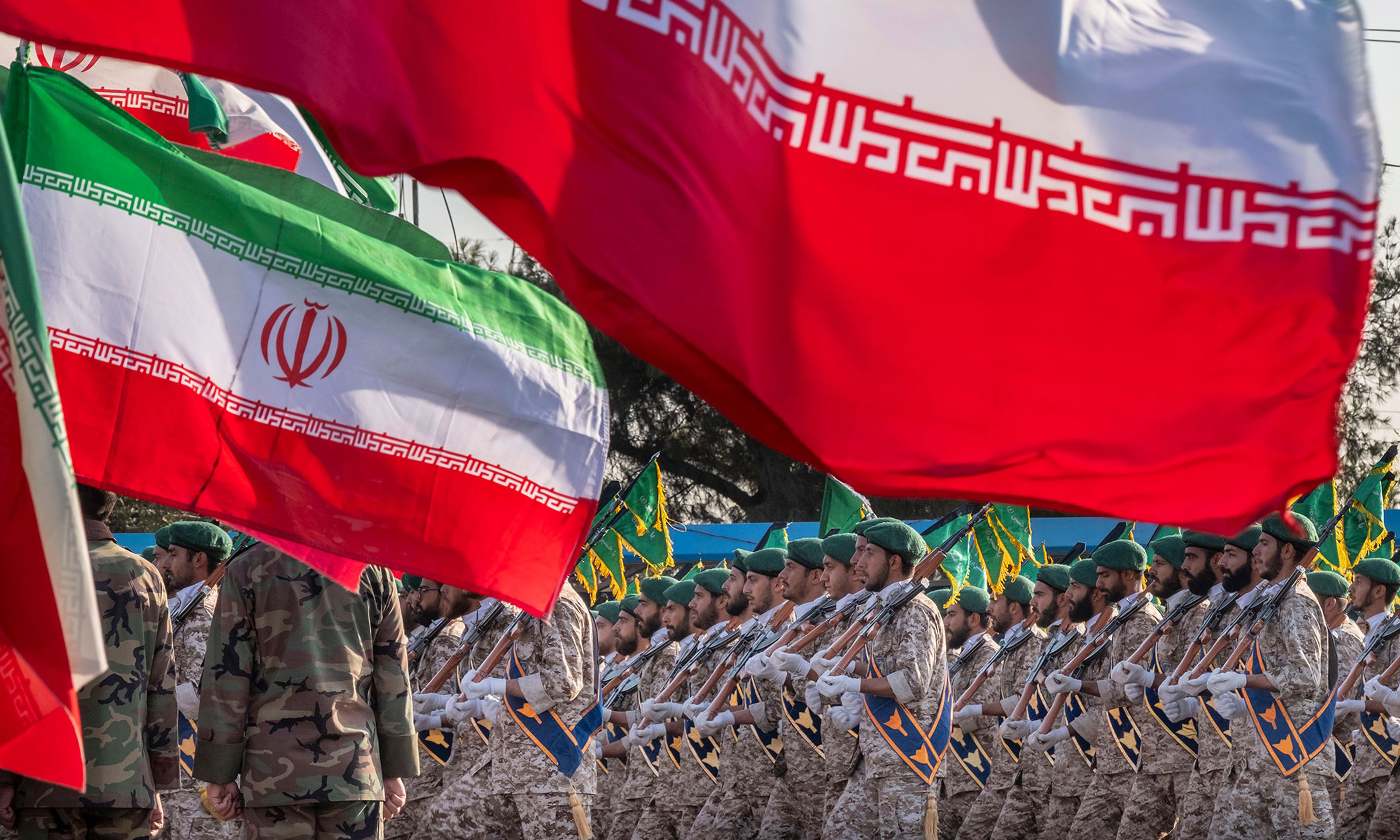
In the words of Iran envoy Steve Witkoff, President Donald Trump is “curious” as to why the Islamic Republic has not “capitulated” to his threats. As is often the case, this president says out loud what most others have only whispered for decades: Why is Iran an irrational actor? The answer is neither simple nor certain, but it rests at the heart of why Western policy has consistently failed to curb the Iranian threat.
Since the Islamic Revolution in Iran in 1979, American and European leaders have layered their own hopes and biases on the regime. In a 1978 cable just before the return of Ayatollah Ruhollah Khomeini, U.S. Ambassador to Iran William Sullivan described Khomeini, who would go on to preside over Iran’s rise as one of the Middle East’s most tyrannical and destabilizing forces, as a “Gandhi-like” figure. U.S. Ambassador to the United Nations Andrew Young memorably predicted that “Khomeini will be somewhat of a saint when we get over the panic.”



Comments