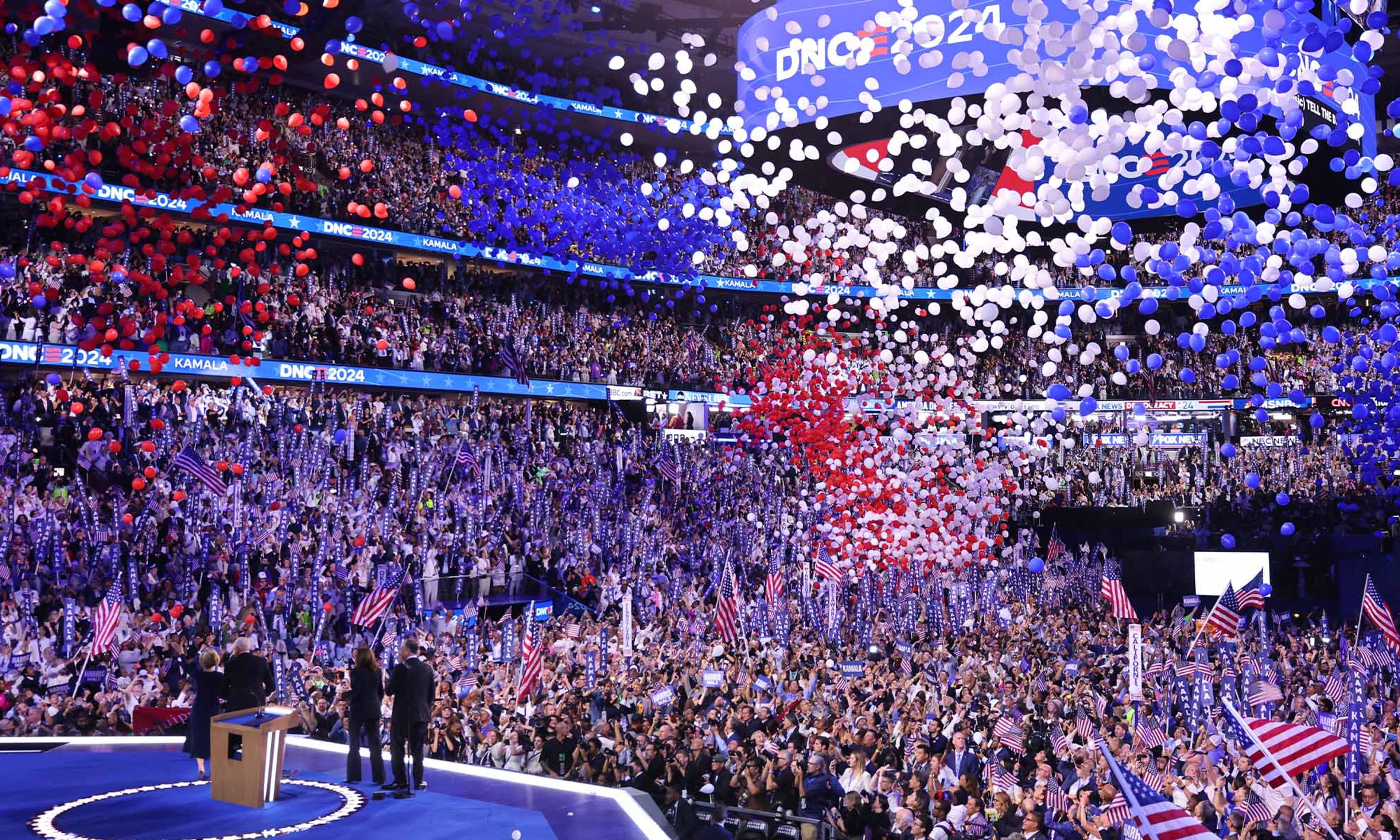
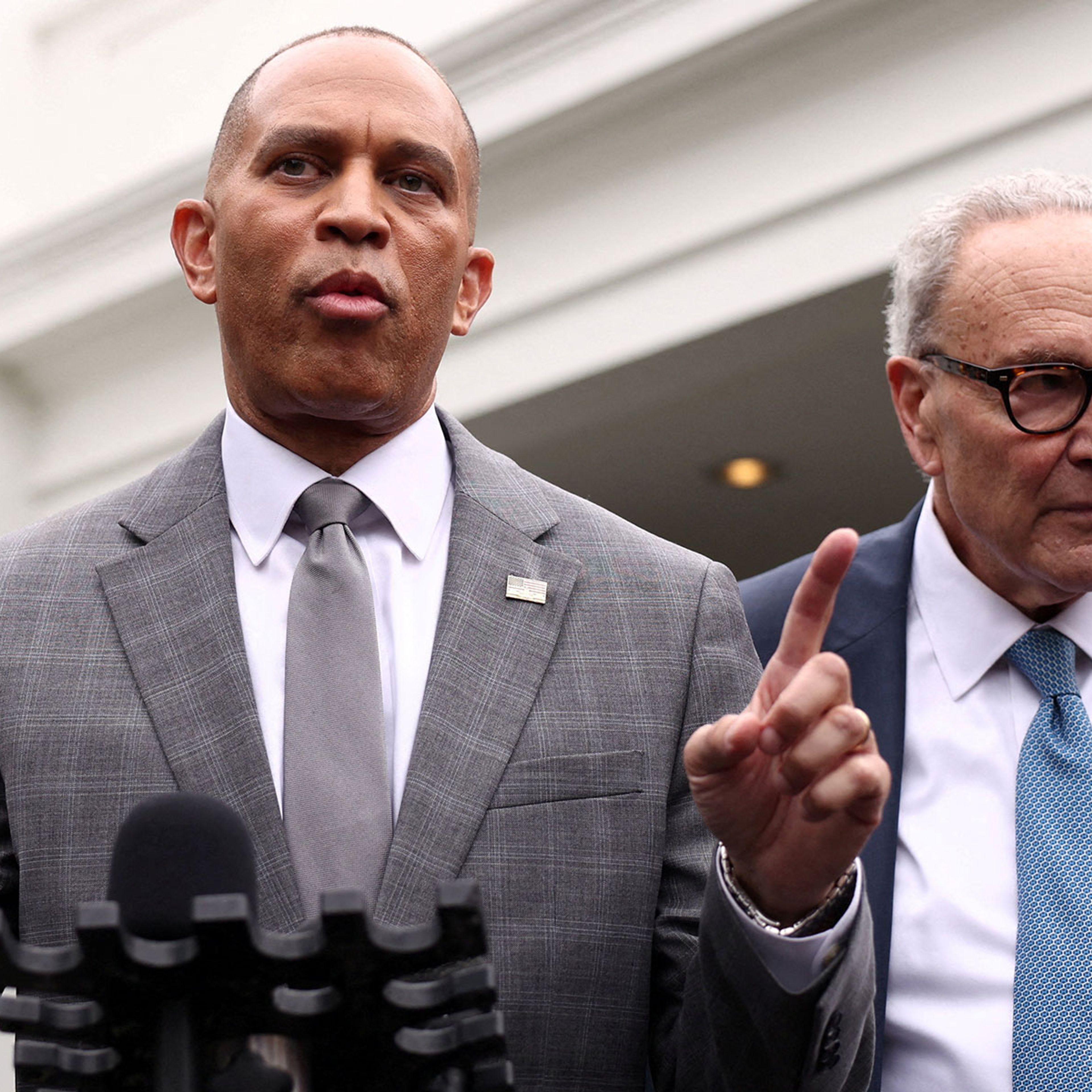
A recent poll by the New York Times and Ipsos found that many Americans do not feel that the Democrats share their values. According to a Quinnipiac University poll, only 31 percent of Americans have a favorable view of the Democratic Party, and more than half of respondents have an unfavorable view of it. Yet in Democratic election postmortems, liberal media and political leaders’ reactions have ranged from characteristic shrillness to self-loathing, blame games, and party infighting. What we have yet to see is Democratic leaders truly trying to understand the American people and why they have recoiled from the party. This excessive self-regard gone unchecked could cause much more than an election loss and become an existential threat to the party.
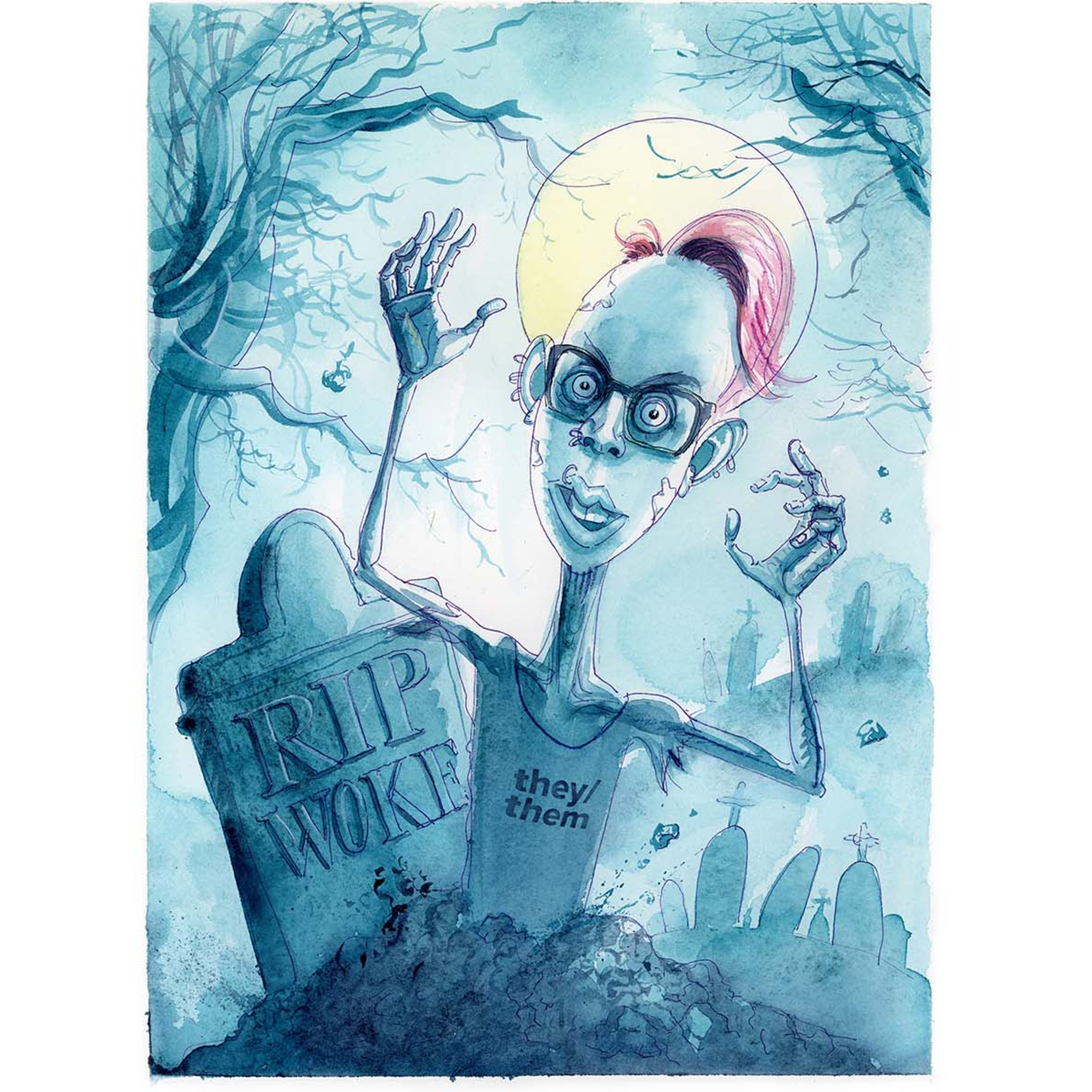
As a part of the research for my book The Overlooked Americans, I spent over five years talking to people who live in rural America, a voting bloc that overwhelming voted for Donald Trump in 2024. In my interviews, which ranged across favorite holidays, religion, and parenting, a number of my respondents expressed a wariness towards an unforgiving form of political correctness (a.k.a. “wokeness”) that judges people for accidentally using the wrong pronoun or not being entirely on board with the Democratic social agenda. These folks were not dyed-in-the-wool Trump supporters, nor were they ultraconservative. But many of them expressed a frustration with the progressive politics that have subsumed the Democratic Party. This estrangement of rural Americans, which has been in the works for years, has now borne out in our national, state, and local elections.

Comments