The scholarship on the history of pandemics generally leads their chroniclers to conclude that the people who live through them don’t like reflecting on the sacrifices endured to make it to the other side. That was as true for the 1918 Spanish Flu as it is for the Covid-19 pandemic.
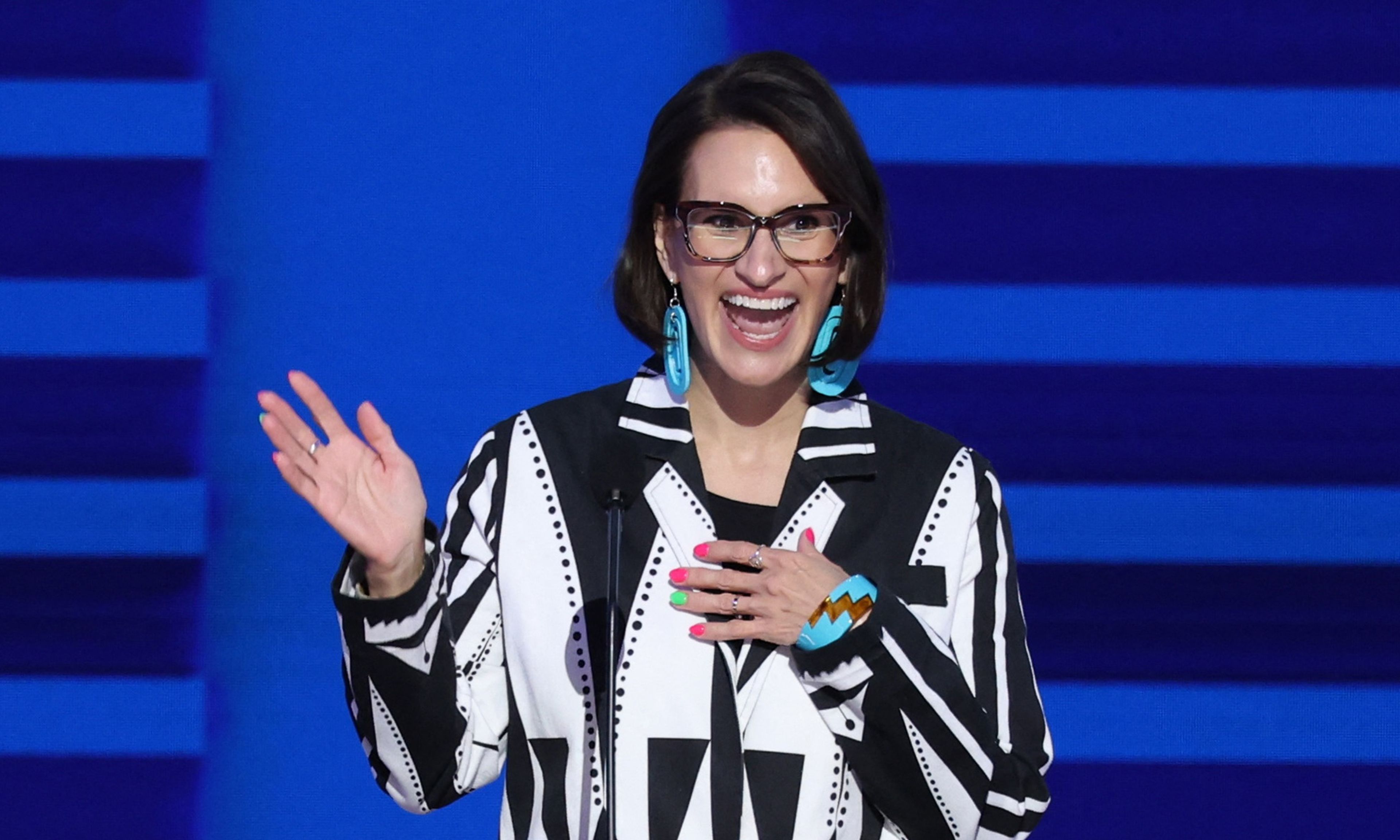
“The brain creates these event boundaries when important things happen and so there may be some natural forgetting,” Duke University psychologist Kevin LaBar told ABC News last year. Indeed, a “very common response” to trauma is to “avoid anything that reminds us of what happened,” Washington University School of Medicine clinical case manager Jennifer Holzhauer agreed. “In fact, most of us want to not have the memories, we call them intrusive thoughts.” In short, it’s normal to avoid retrospectives on a pandemic, much as we might benefit from them. In that sense, the Democratic National Convention’s first night was anything but conventional. Its speakers and attendees seemed to not only welcome reflections on that terrible time in American public life, but revel in them.




Comments