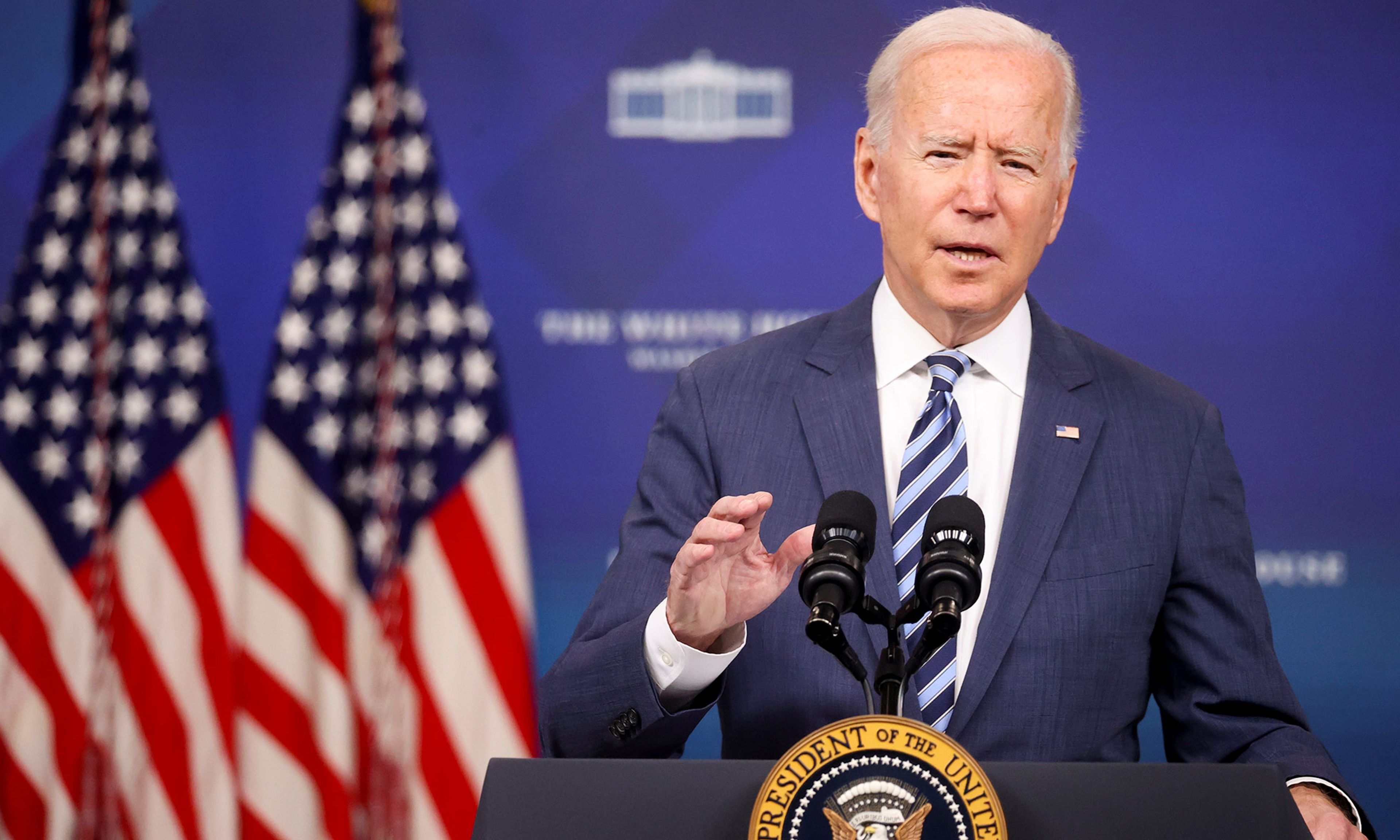
The confluence of the rise of revanchist Xi’s Communist China and its strategic nuclear breakout underscores what has been dubbed the decade of danger. The G-7 Summit in Hiroshima was an opportunity for the United States to warn about the growing nuclear dangers and the need to strengthen deterrence. Although in a prepared statement President Biden referred to the aspiration of a world without nuclear weapons, he did not announce changes to U.S. deterrence or disarmament initiatives.
The G-7 “Vision on Nuclear Disarmament” offered a mixed bag of idealist aspiration and clear-eyed realism. It stated a hope for an ideal world without nuclear weapons but added this qualifier: “with undiminished security for all.” That means that as long as nuclear threats remain, so will the allies require weapons for deterrence and defense. The statement went on to condemn the dangerous Russian threats before and throughout Russia’s unprovoked war against Ukraine and then ended with a dangerously naïve call for a global effort to transform the world. The hard work of statecraft, diplomacy, and bending steel to deter and to win a war if deterrence fails will be left to men and women, and if only they were angels the global transforming would be at hand.



Comments