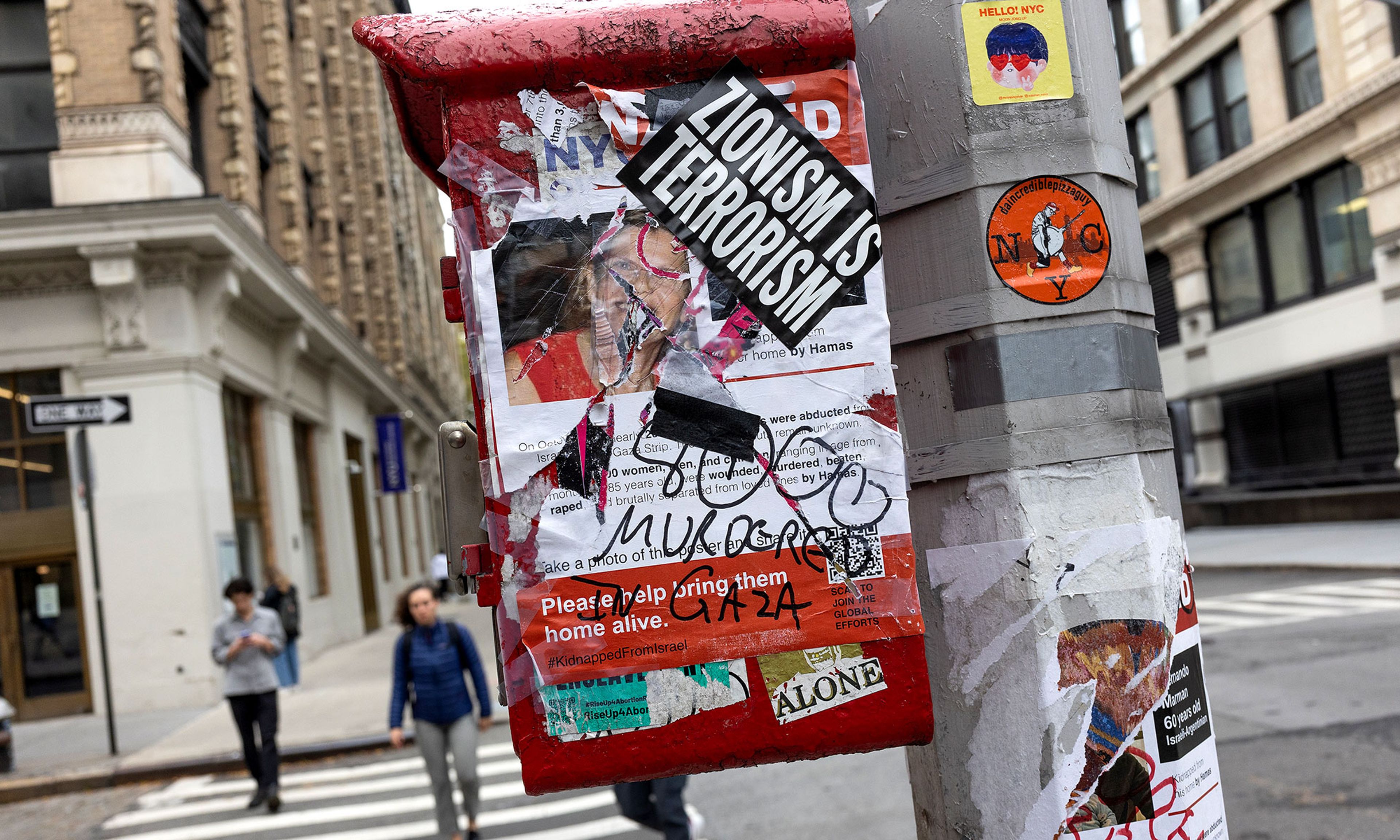
Every political trend and tendency has characteristic faults. And in a populist age, we should expect and be on guard for conspiracy theories, social scapegoating, racism, and antisemitism. Each speaks to the impulses in populism, the felt impotence of mass politics, or zero-sum, us-versus-them thinking, and envy and hatred of the successful.
But I don’t think the rise of populist politics since roughly 2015, or the backlash against “wokism,” is enough to explain what seems like a huge spike in antisemitism. Populism was initially driven by fear of Islamic violence, not Jewish preeminence. Donald Trump is outwardly pro-Israel, and though he indulges in stereotypes about every ethnicity, he tends to show special respect to his own Jewish son-in-law and Jewish people around him. Many of the populist movements in Europe have taken a philo-semitic turn. And wokism itself is often allied to a third-worldist sentiment that casts Israel as a settler-colonial villain.




Comments