
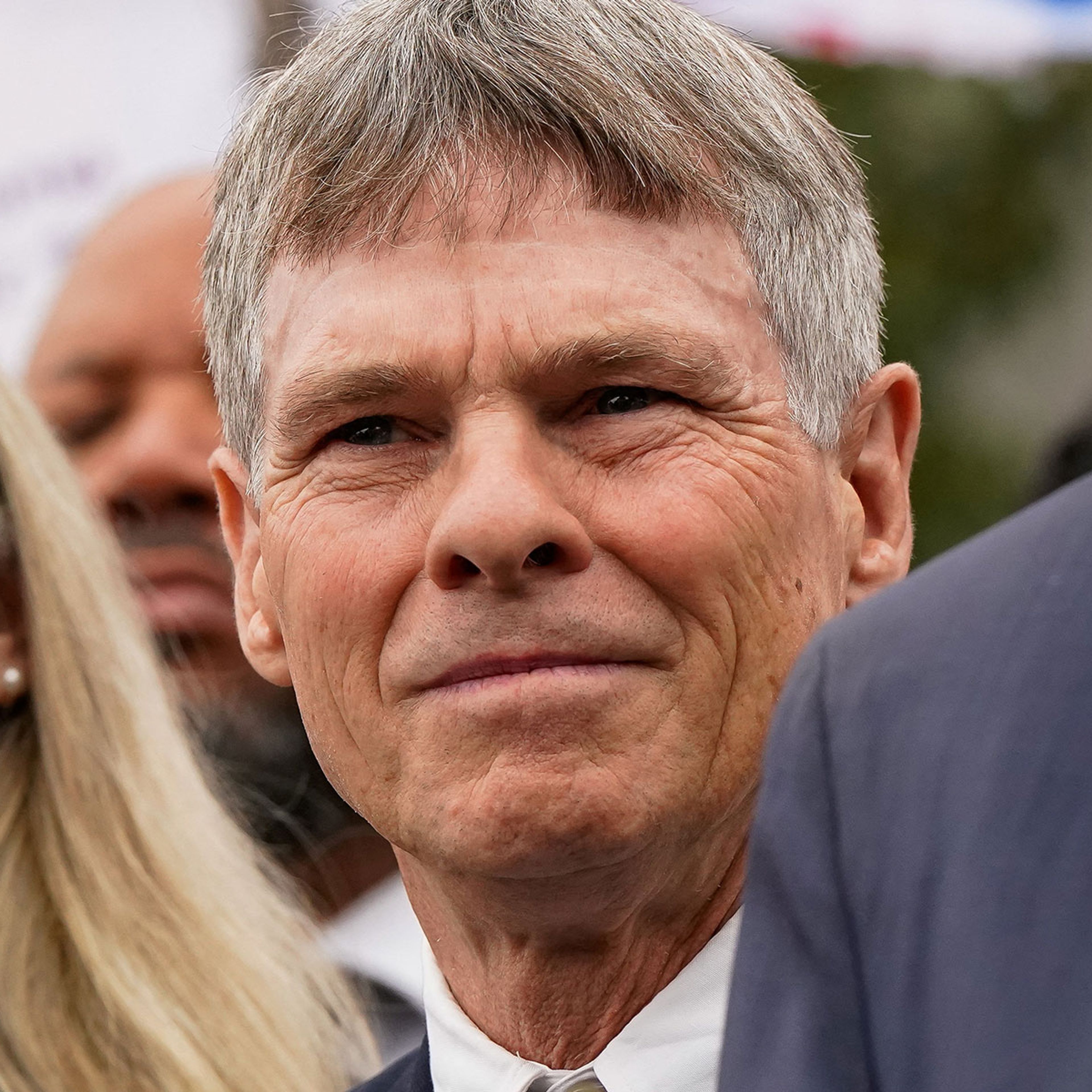
On April 15, the California Supreme Court upheld the order disbarring John Eastman over his role counseling Donald Trump in the 2020 election contest. Eastman, the founder of the Claremont Institute’s Center for Constitutional Jurisprudence and an active constitutional litigator, can no longer practice law in his home state and faces collateral consequences in federal court and other jurisdictions.
The California Supreme Court’s order, issued without a written opinion, concluded a long-running battle launched by the state bar disciplinary authorities at the urging of anti-Trump political groups. Eastman’s attorney has vowed to fight on to the U.S. Supreme Court on the theory that his First Amendment and due process rights have been violated, but he would face steep legal obstacles to doing so in light of the primacy of state law in this area and the importance of factual findings in this sort of case.



Comments