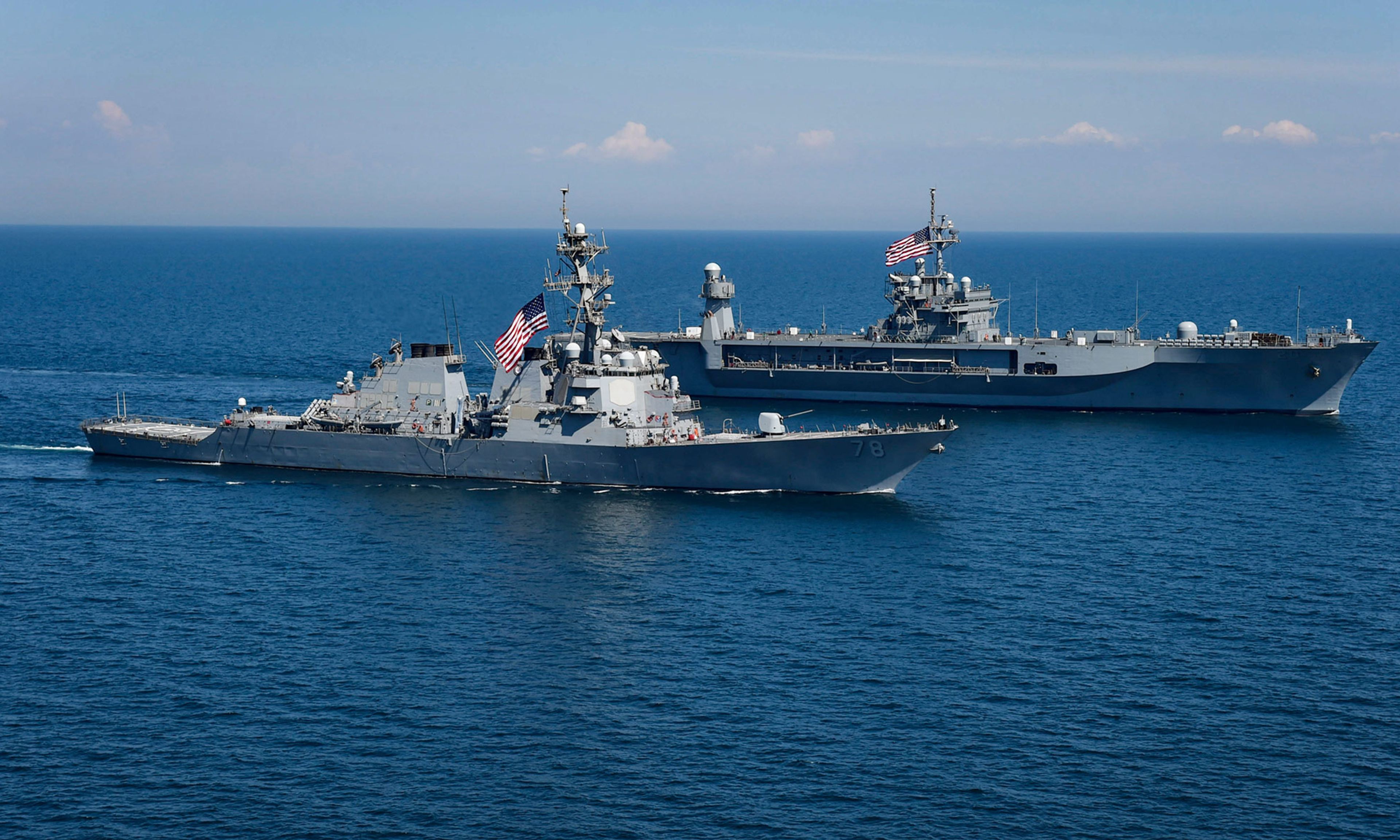
By its blockade in the Black Sea, Russia controls both grain for the world’s poor and the Ukraine economy. “It’s like a boa constrictor around Ukraine’s neck, squeezing and squeezing and squeezing,” said retired U.S. admiral James Foggo, who commanded U.S. and NATO fleets in Europe.
NATO caused this problem. Last December, as Russia built up to invade Ukraine, NATO and the U.S. pulled all its warships out of the Black Sea, conceding control to Russia. During the previous month, a U.S. warship was operating the Black Sea, with a size larger than California, to demonstrate “continued commitment to collective defense of the European region.” The U.S. European Command explained that “operating and exercising together [in the Black Sea] demonstrates NATO’s commitment to maintaining freedom of navigation in international waters for all nations.” The joint Maritime Command of the U.S. Navy and NATO has not explained why it belied its own words and commitments by abandoning the Black Sea.


Comments