Let me explain myself quickly. Everyone has the right to participate in politics. So, I am not saying doctors should refrain from engaging in civic discourse or political debate.
I am saying that doctors should not try to exert their medical authority about issues that are properly considered outside the medical arena.
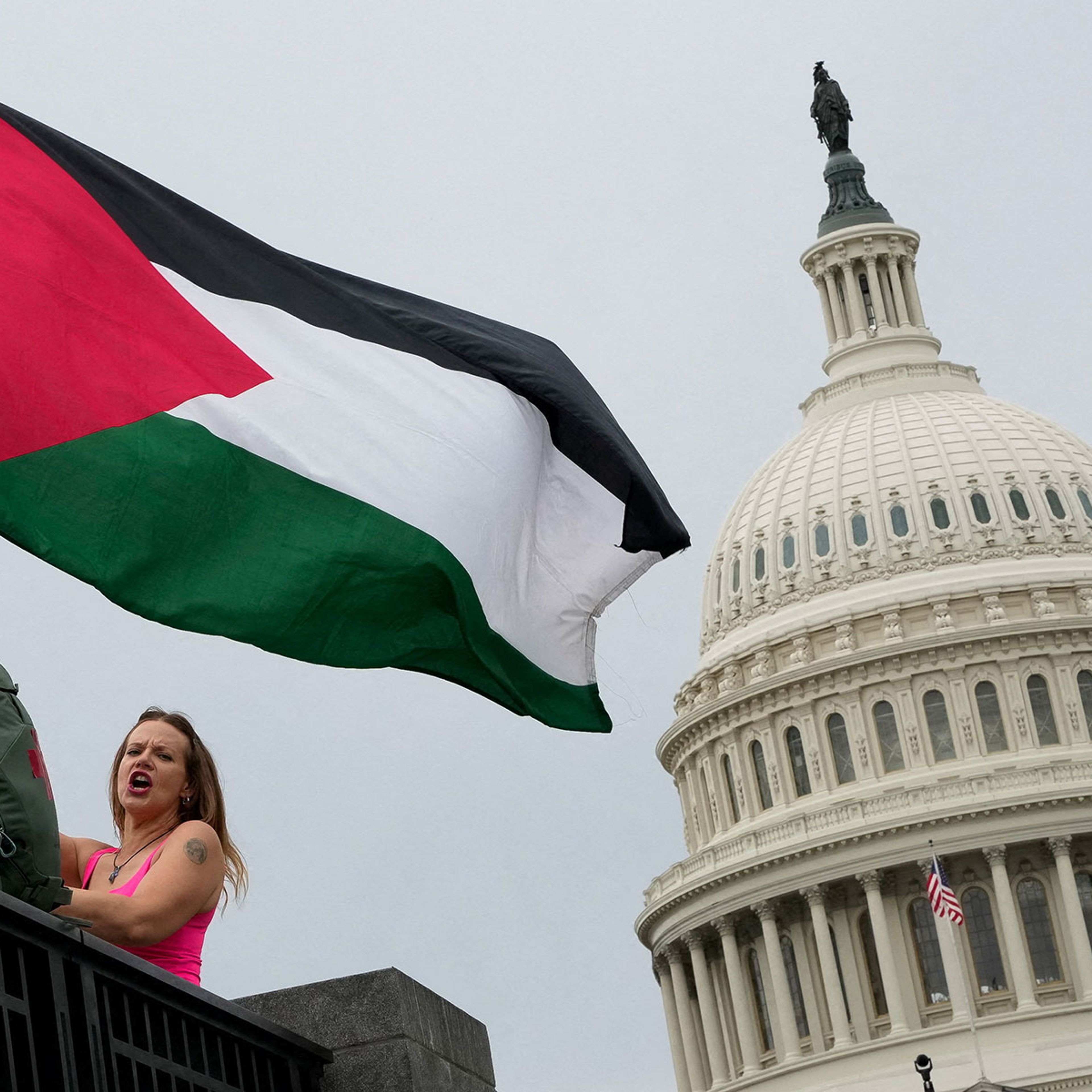
Case in point: The Lancet has published letters weighing in on the Israeli/Hamas war that is causing so much heartbreaking misery in Gaza–and the editorial I quote below seemingly blames Israel.
Which side is most at blame for Gaza is beyond The Lancet’s portfolio (and beyond our scope here, too). But the journal’s editors don’t think so. From its editorial:
International Humanitarian Law requires three principles to be upheld during such a defence. The Principle of Distinction states that, “parties to the conflict shall at all times distinguish between the civilian population and combatants”.
The Principle of Precautions in Attack states that, “parties to the conflict must take all feasible precautions to protect the civilian population and civilian objects under their control against the effects of attacks”.
The Principle of Proportionality states that, “Launching an attack which may be expected to cause incidental loss of civilian life, injury to civilians, damage to civilian objects, or a combination thereof, which would be excessive in relation to the concrete and direct military advantage anticipated, is prohibited”.
Now return to life in Gaza. A land that no-one can escape from. A crowded land in which children are the largest single group of the population. These are the conditions in which attacks on Gaza combatants are taking place.
This is why I don’t believe there is any such thing as a “just” war, only (sometimes) necessary ones.
But what does all of this have to do with topics relevant in a medical journal?
But here is a war that is having far-reaching effects on the survival, health, and wellbeing of Gaza’s and Israel’s civilian residents. It is surely the duty of doctors to have informed views, even strong views, about these matters; to give a voice to those who have no voice; and to invite society to address the actions and injustices that have led to this conflict.
Our responsibility is to promote an open and diverse discussion about the effects of this war on civilian health.
No. AS DOCTORS–by which I mean wielding the authority of the professional to give extra heft to the opinion–physicians and associations should only opine on strictly health and medically-related matters.
For example, it would be appropriate–as medical professionals–to opine on steps needed to improve access to emergency medical services in Gaza. It is not–as medical professionals–to opine about whether Israel has conducted itself “proportionately” as required by international law.
Otherwise, almost the entire gamut of public policy and international relations–many of which have some impact on public health and welfare–get stretched into medical issues to which we should turn to doctors for guidance.
We already have too much of that, furthering our accelerating slouch toward technocracy.




Comments