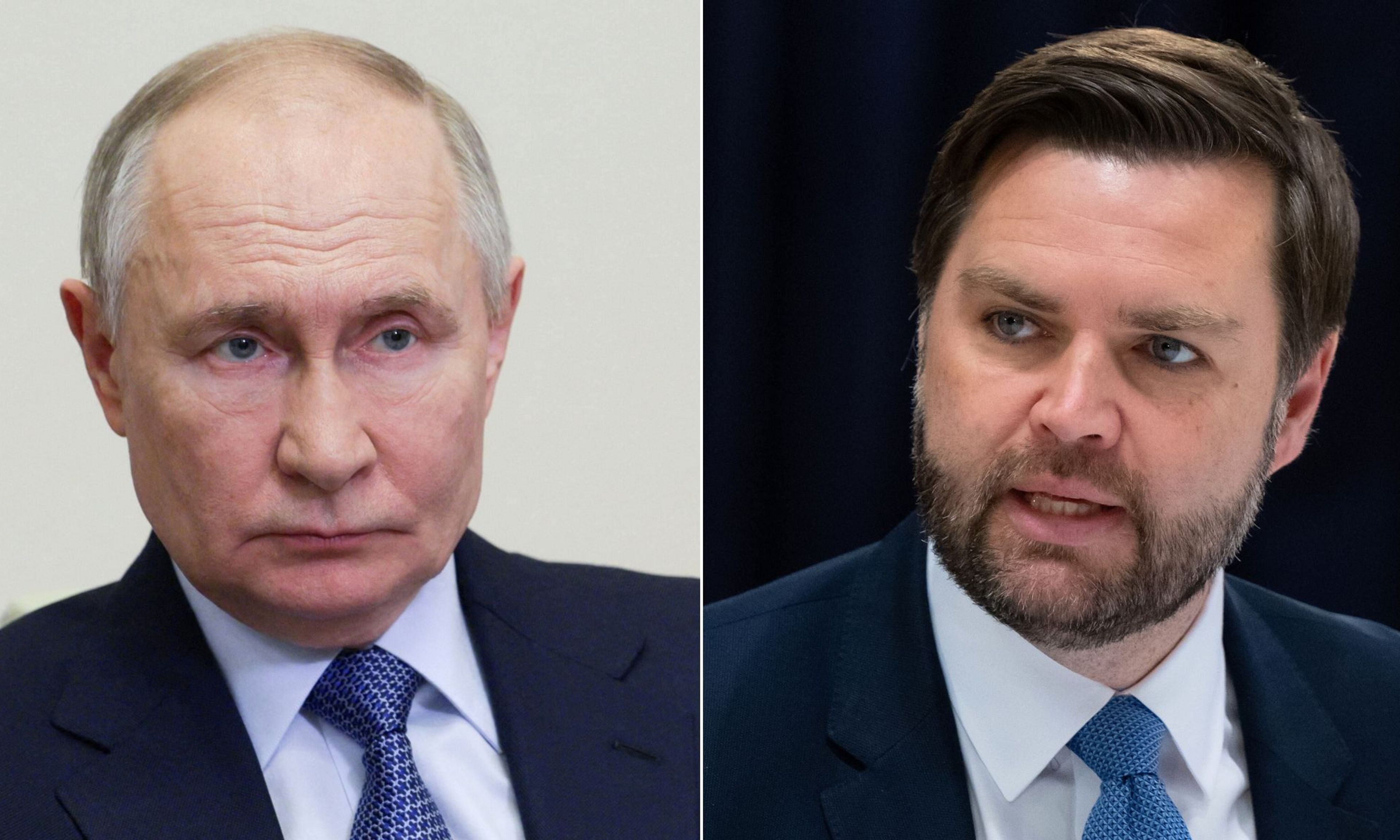
We’re all familiar with how Donald Trump and his subordinates conduct public negotiations with America’s partners and adversaries abroad. The process usually begins with maximalist demands and threats, and it tends to culminate in concessions from Trump’s targets that he can call a win even if they fall short of the original ask. Sticks first, carrots later. So far, though, that doesn’t describe the second Trump administration’s efforts to coax Moscow to the negotiating table.
When describing the president’s interactions with his Russian counterpart, the White House has projected sunny optimism. Vladimir Putin has, they say, shown openness to the Trump plan for pausing Russia’s expansionist war in Ukraine. We should expect as much from a deal that mimics the failed Minsk agreements’ terms, which froze the line of contact between Russian and Ukrainian forces, functionally ceded the territory Moscow seized by force to the Kremlin, and put Western pressure on the target of Russia’s aggression to preserve the peace Russian irregular forces and proxy fighters routinely violated.


Comments