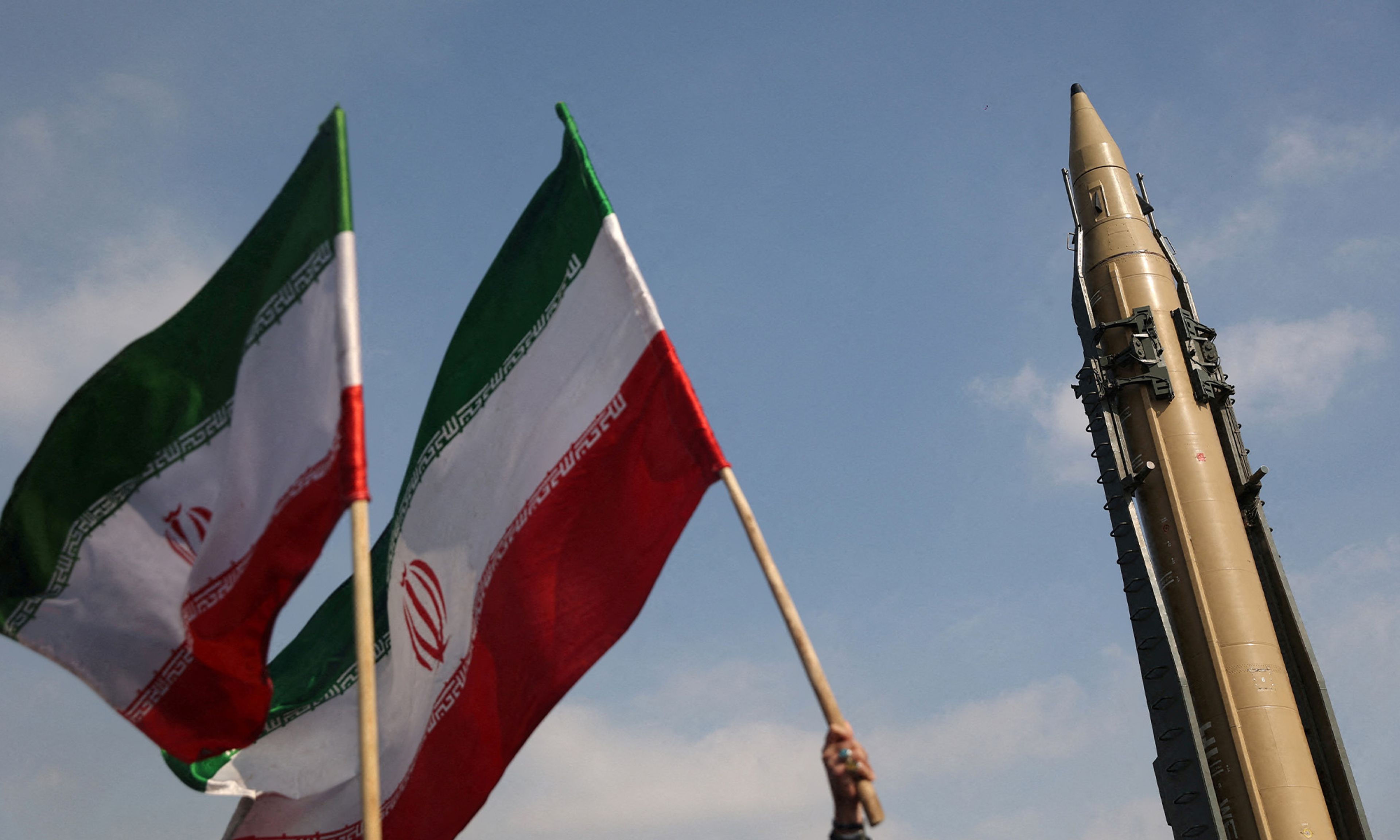
The United States has struck a crippling, but not fatal blow at Iran’s nuclear weapons aspirations. Similarly, Israel’s methodical strikes on research labs, explosives test sites, reactors, and nuclear scientists has likely set back the Islamic Republic’s work — either toward nuclear breakout or a just-in-time weapon that could be ready within weeks. But the key words are “set back,” not “destroyed” or “eliminated.” This is why the world cannot be distracted by the military strikes and must ensure that Iran cannot reconstitute its program after the dust settles, including making sure that United Nations Security Council sanctions aimed at that goal do not expire.
Concern over Iran’s nuclear program is not new. U.S. President Bill Clinton, pushed by Congress, imposed primary and secondary sanctions on Iran in the 1990s. And between 2006 and 2010, Washington painstakingly negotiated six Security Council sanctions resolutions aimed at prohibiting Iran’s enrichment of uranium, ballistic missile testing and launches, transfer of nuclear and missile related technology, and transfer of conventional weapons. Iran’s foreign assets were frozen, and travel bans were put in place. These sanctions were critical in slowing Iran’s progress toward weaponization and, more important, limiting interactions of third party states with Iran who feared U.S. enforcement.


Comments