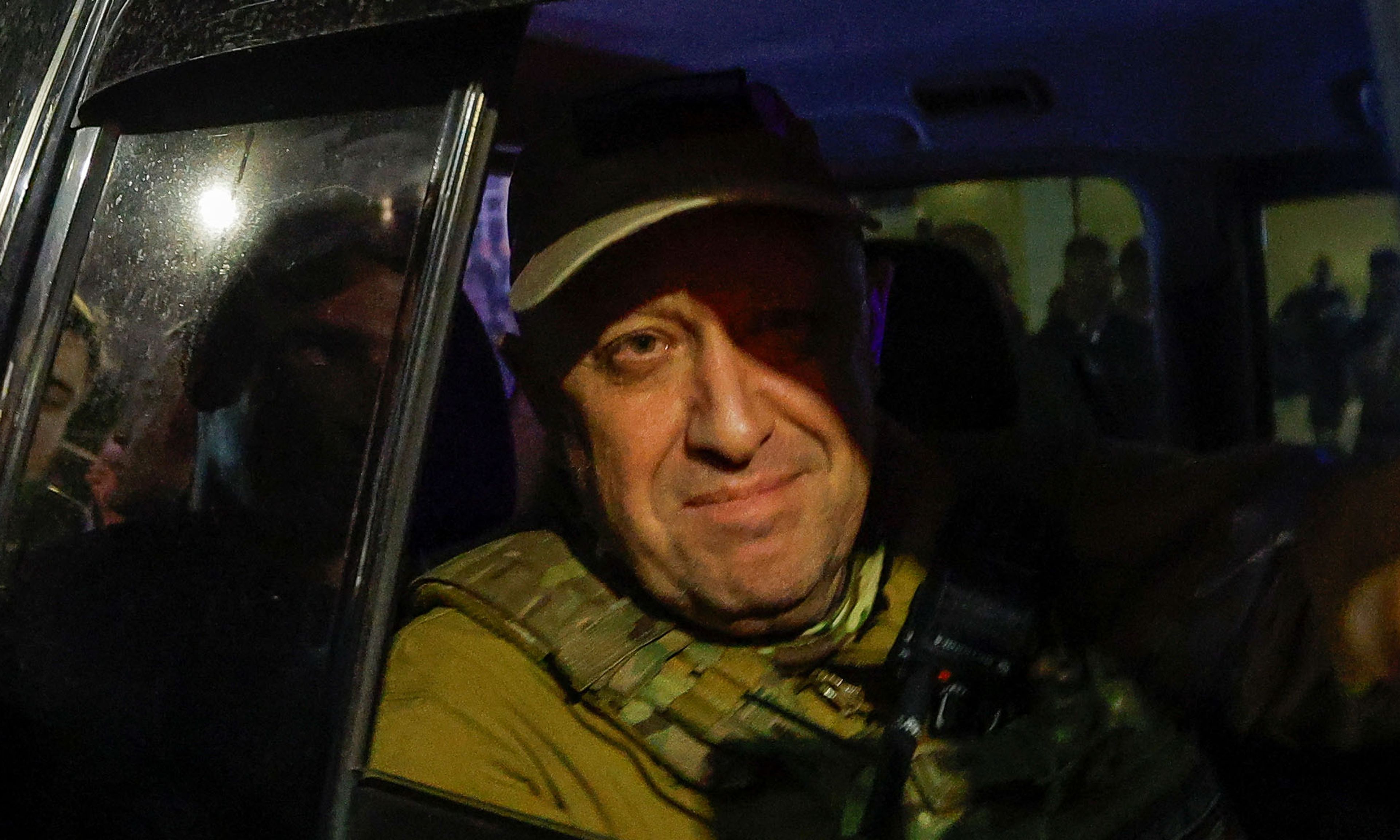
The circumstances that produced the most audacious armed rebellion inside Russia since Soviet sailors protesting Bolshevik policies captured the Kronstadt naval fortress in March 1921 practically beg for conspiracy theorists willing to fill in the gaps. That Wagner Group leader Yevgeny Prigozhin’s mutiny ended as swiftly as it began, without many observable consequences for the mutineers, is a tough pill to swallow. There must be more than the official story, and there almost certainly is. But those doing the speculating often assume the spectacular and ideological when venal and mundane explanations for this otherwise inexplicable circus likely suffice.
Hypotheses about what really went down in Russia over the weekend and why Prigozhin’s forces stopped just 200 kilometers outside Moscow and abruptly gave up their “march for justice” abound. All of them are unsatisfying.





Comments