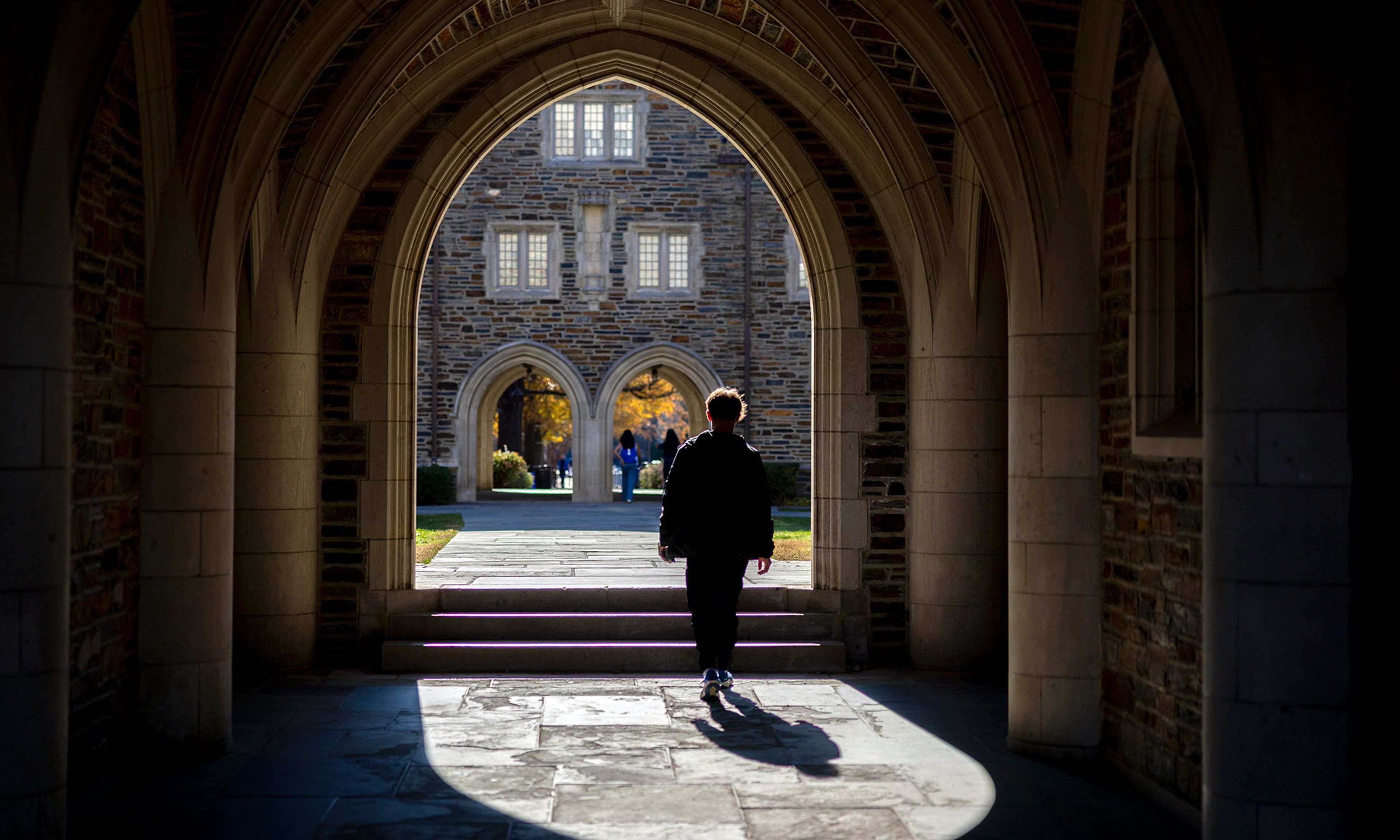
The Supreme Court’s 2023 decision in Students for Fair Admissions v. Harvard prohibited race-conscious admissions, but apparently the leadership at Duke University’s law school took that as a challenge to discriminate in less obvious ways.
The Department of Justice announced on Thursday that its investigation concluded Duke’s law school intentionally discriminated to the benefit of black and Hispanic applicants by using racial proxies when admitting the classes since the SFFA decision.
The DOJ’s investigation found damning internal communications and documents that explain how the law school developed mechanisms to identify minority applicants and craft a more racially diverse student body, despite its purportedly race-neutral policies and lack of racial data on applicants. The law school’s staff emphasized “DEI” as “one of [their] most important values” in 2023, while they further committed to “work even harder” towards achieving “a racially diverse class.” After the SFFA ruling, the law school revised its official mission statement so that it emphasized building a “legal profession that embodies a commitment” to values such as equal justice and a “diversity of perspective and experience.” The law school prompted applicants to submit a short essay discussing how they would advance the mission statement; admissions staff had a “Diversity/Services” tag for labeling an applicant’s characteristics that strongly correlated with particular racial backgrounds.
The data are revealing: Black and Hispanic students were admitted with noticeably lower test scores. In 2025, for example, the admitted median LSAT scores for black and Hispanic applicants were 166 and 171, respectively, while the admitted median scores for Asian and white applicants were both 173, out of the maximum 180. The DOJ notes that the median LSAT scores of Asian and white applicants who were rejected in 2024–25 were two points higher than those of black students who were admitted. The DOJ calculated that Duke Law School’s consideration of race gave a “black applicant a roughly 3.5x higher probability of admission than an equally strong Asian applicant with similar academic credentials.” While that is statistically significant, the DOJ notes that the advantage was even greater prior to the SFFA decision.
In plain terms, Duke used proxies to distinguish and accept its preferred minorities, then sent rejection letters to more-qualified students of disfavored races. “The applicant-level data produced by Duke Law indicate that a black or Hispanic student has a substantially higher likelihood of being offered admission than a white or Asian student with the same academic credentials,” says the DOJ in its findings letter.
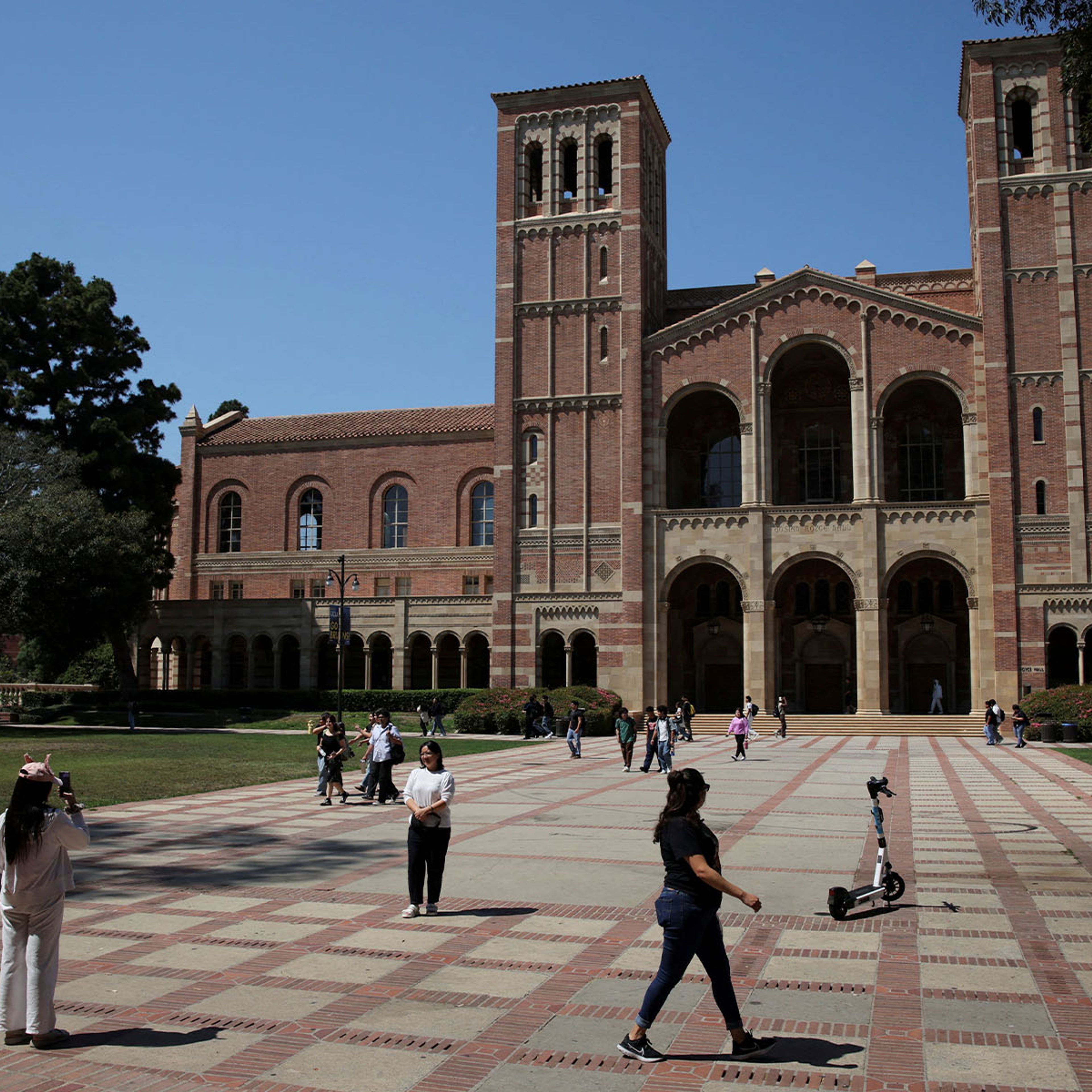
When the Supreme Court said it is illegal to discriminate on the basis of race in admissions, it meant that it is illegal to discriminate on the basis of race in admissions. It is particularly concerning that one of the most prestigious law schools in the country refuses to follow the law. But as we know from previous DOJ investigations under the second Trump administration, Duke University isn’t the only institution of higher education that has refused to comply with SFFA; reviews found that both Yale’s and UCLA’s medical schools similarly evaded the law.
As recipients of taxpayer funds through federal grants, these universities cannot treat Title VI as optional guidance or mere suggestion, or ignore crystal-clear SCOTUS decisions that they dislike. While proponents of affirmative action — a long-running euphemism for discrimination — insist on the supposed virtues of “diversity” in a classroom and “equitable” outcomes, the Civil Rights Act doesn’t have a clause exempting university admissions staff who believe they are acting for a righteous cause.
More fundamentally, disadvantaging qualified white and Asian students for the sake of optics is a morally backward practice that shouldn’t require unceasing legal and administrative effort to extricate.




Comments