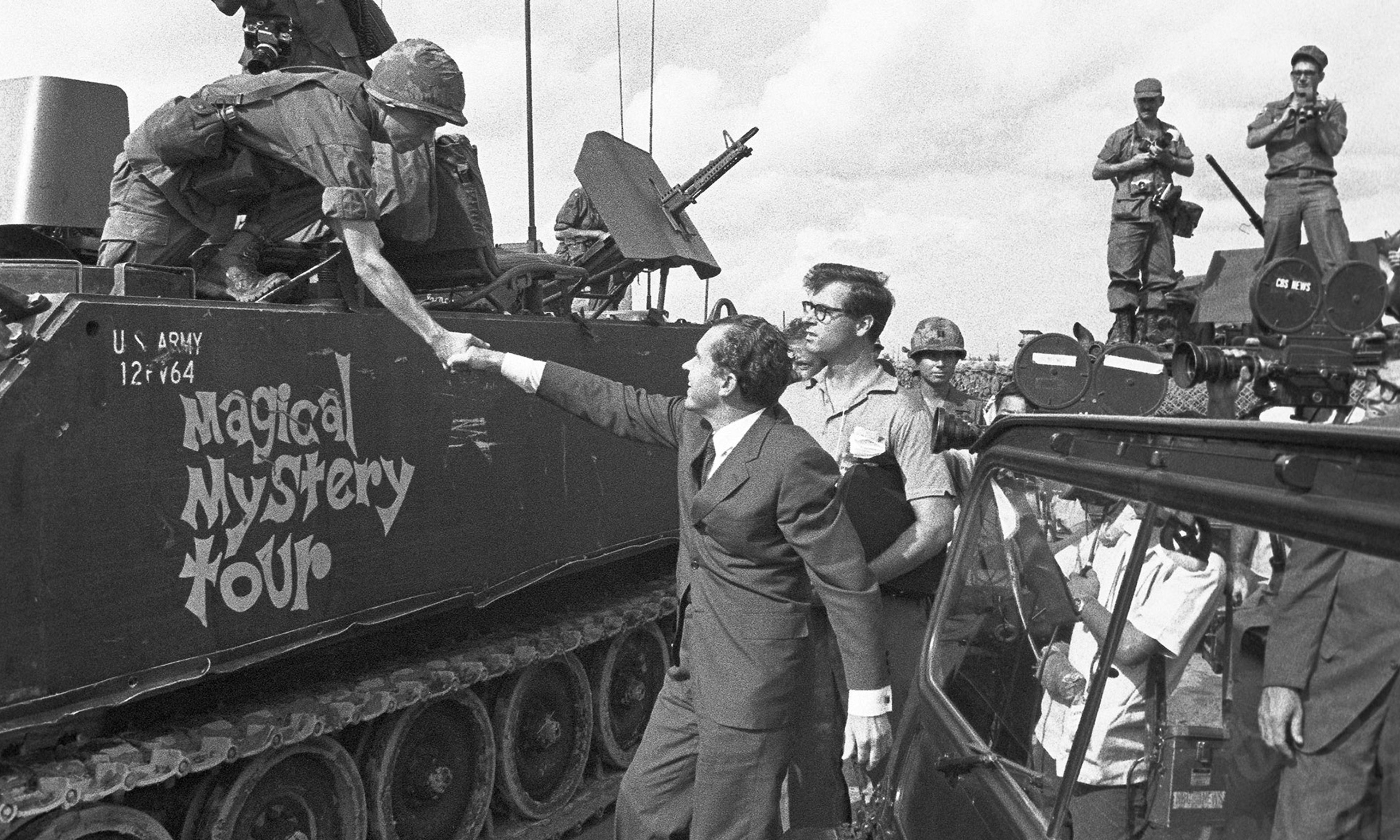
‘Wars are easy to enter into,” the architect of America’s exit strategy from Vietnam, Secretary of Defense Melvin Laird, once said, but “very difficult to get out of.” President Richard Nixon agreed. “I had no good choices,” he said of the Vietnam withdrawal. He had inherited a stalemated war, a bitterly divided country at home, an unrelenting enemy, and an ally only beginning to show signs of military and political progress. Given the circumstances, he wondered, “How do you liquidate that war with honor?”
During the long War on Terror, presidents sympathized with their Vietnam-era predecessors. “I think Americans have learned that it’s harder to end wars than it is to begin them,” Barack Obama noted when he announced his intent to draw down the number of U.S. forces in Afghanistan. Domestic political and terrorism concerns soon thwarted his plans. Despite his determination to get out, Donald Trump, too, found himself constrained by these factors.




Comments