Economic change unleashes powerful forces. We can stubbornly resist them and cling to the status quo, but at best, that ushers in a slow but inevitable decline. A better approach lies in understanding the forces that periodically remake the economy, so we can seize the emerging opportunities they bring. This strategy has worked in the past, and it will work today.
A significant force in recent decades has been globalization. It has brought with it a surge in outsourcing, the shorthand term for businesses’ cutting jobs in the United States and moving production overseas to gain access to lower-cost labor. Many Americans view this development as a scourge, meaning the business practices of Mitt Romney’s private-equity firm, Bain Capital, have become fodder for the presidential campaign’s mudslinging.
Outsourcing makes for perfect political posturing — a quick-jab sound bite, serving up big business and foreign workers as villains and unemployed Americans as victims. But the economic reality of outsourcing isn’t so black and white. The issue goes far beyond the simple fact of job losses and touches on the broader realities of trade, basic human rights, and economic progress.
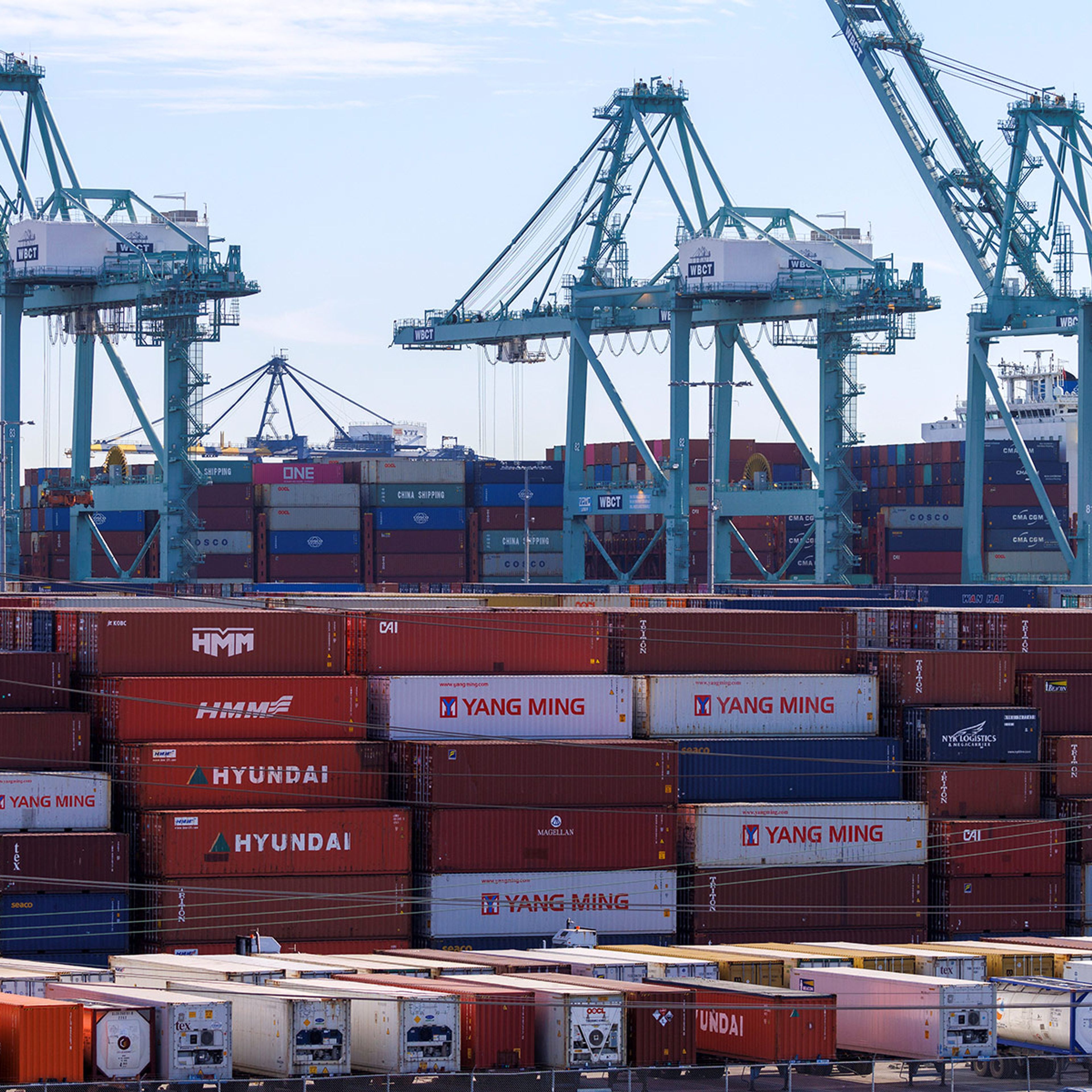
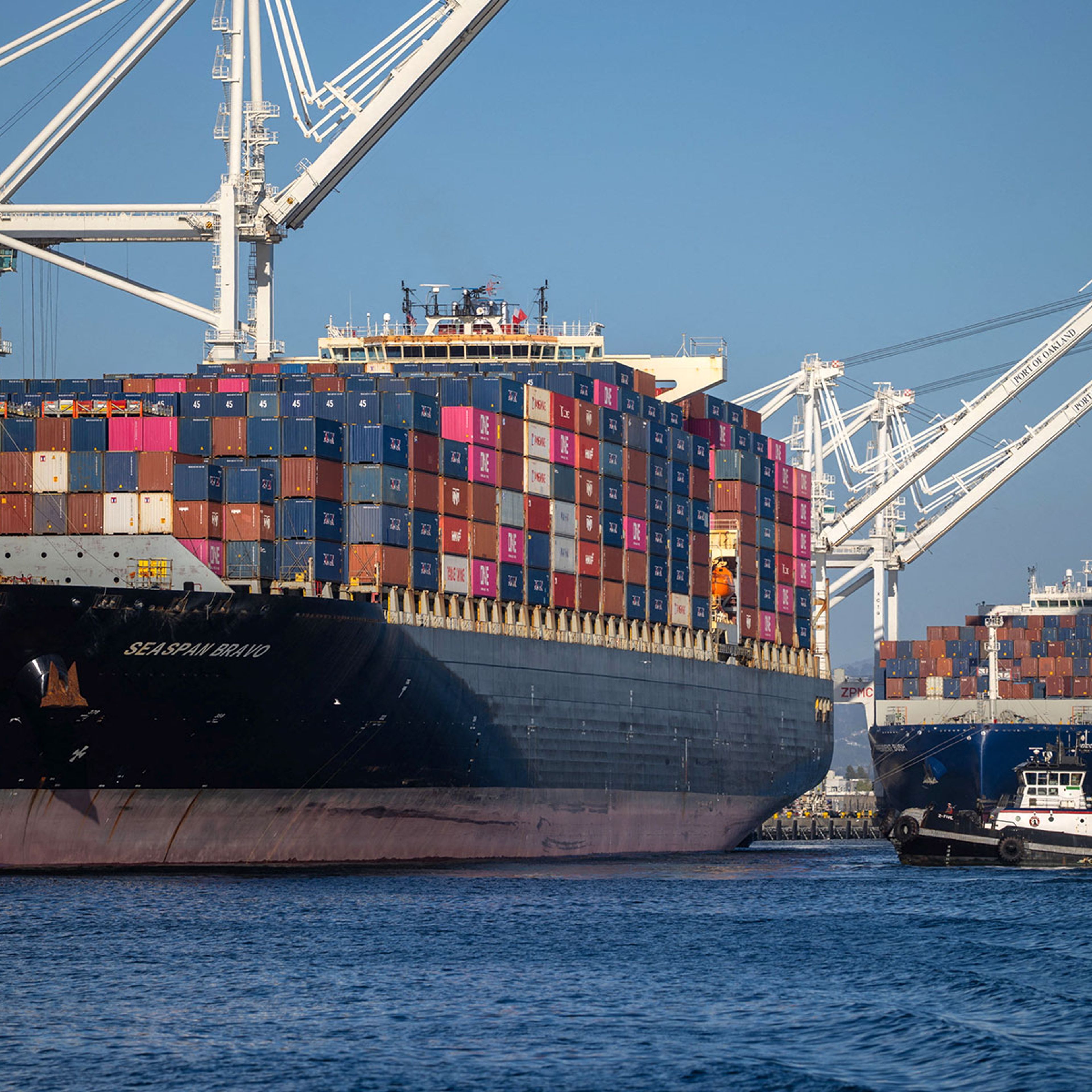
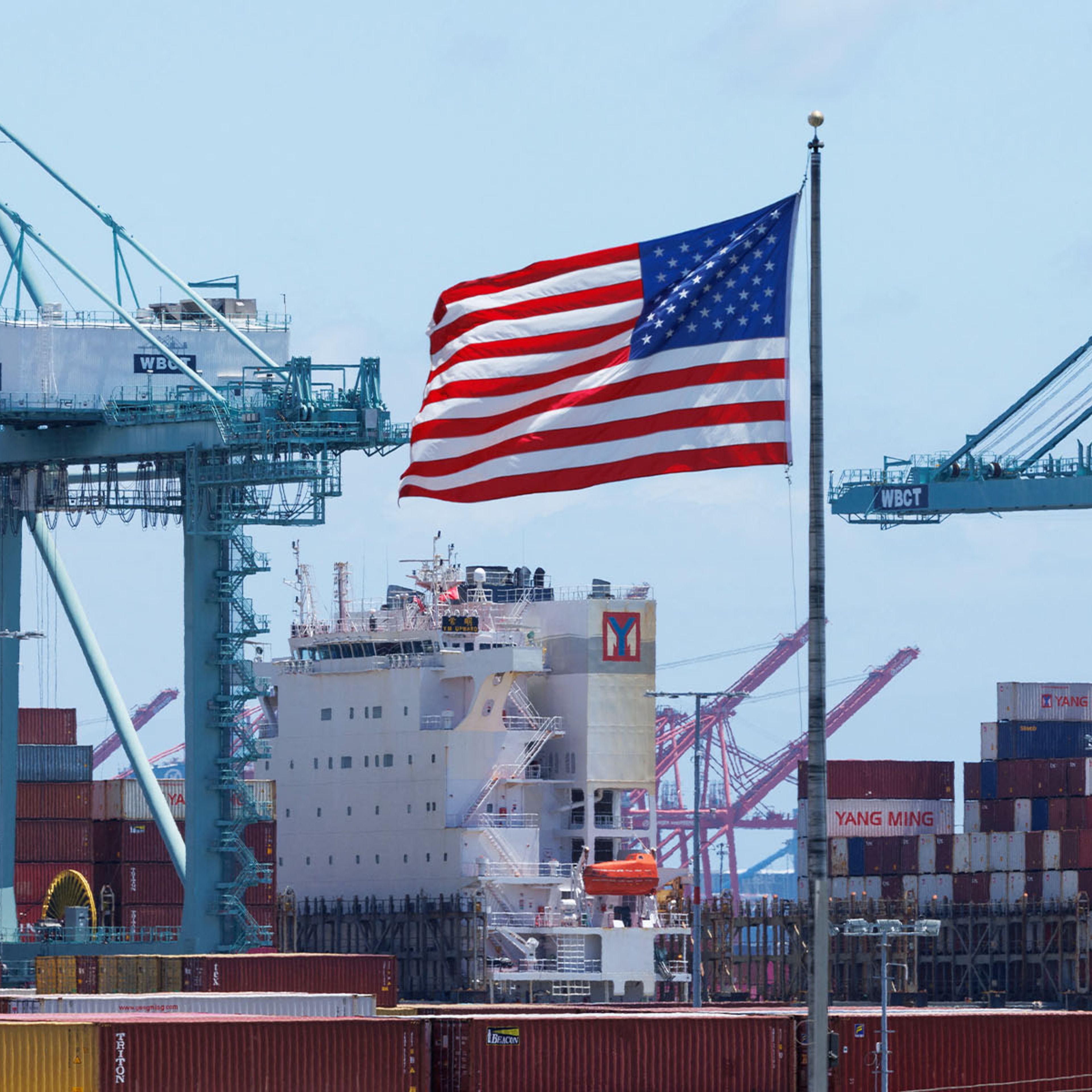
In economic terms, outsourcing jobs differs little from importing goods. Both involve using labor abroad rather than at home — so there’s no logical consistency in cursing one while tolerating the other. In 2011, America imported $2.6 trillion in goods and services, suggesting that outsourcing has just a tiny share of the effect foreign trade overall has on American jobs.
But people also commonly consider imports bad, calling them job killers, and consider exports good because they create domestic employment. In reality, that view is incomplete. When goods and services come from overseas, foreigners work and Americans consume, so imports contribute to higher U.S. living standards. Our exports go to foreigners, so we work and they consume.
Some lament America’s trade deficits, but they’re only part of the country’s international balance sheet. In 2011, our red ink in goods totaled $738.4 billion, offset by a services surplus of $178.5 billion and foreign-investment inflows of $559.8 billion. As a matter of strict accounting, all countries’ international transactions balance — so nobody is taking advantage of anyone else.
Within the overall international balance, countries have trade surpluses in the industries they’re relatively good at, and deficits in those they’re not good at. Turns out, America’s surpluses are in high-value-added manufacturing and sophisticated services, where wages are high. Our deficits are in low-skilled manufacturing, where wages are low. With or without outsourcing, the U.S. economy is exporting low-wage labor.
Once we accept that payments balance, it becomes difficult to sort out trade’s overall impact on U.S. jobs. Imports displace U.S. production and jobs, but exports and capital flows increase the country’s economic activity and stimulate employment. We shouldn’t just focus on the job losses from trade and conclude that it hurts the economy.
Moreover, trade is a question of individuals’ freedom to choose. Countries don’t trade, individuals and companies do. They buy foreign goods and services because of price, quality, availability, tastes, or any number of other reasons. These are voluntary transactions between individuals, distinguished only because the nationalities of the buyers and sellers differ. Free trade among individuals is a basic human right. Protectionist interventions that attack imports or outsourcing rob Americans of a piece of their economic freedom.
Freer trade and cheaper communications have spurred globalization in recent decades, exposing once-insulated parts of the economy to foreign competition. Americans can’t cling to the jobs of the past. We need to find the best opportunities in the global economy. In the new international division of labor, we can be the managers, consultants, and even facilitators of outsourcing.
Trade and new technologies are a lot alike. They both upset the existing economic order, undermining some products, industries, and professions while giving rise to new ones. America’s prosperity has been built on wave after wave of such upheavals, with new jobs continually replacing old ones. That’s why American workers are insurance salesmen and dentists, not blacksmiths and buggy-whip makers. We don’t have to know exactly where the new jobs are. We only need faith in the American people and the capitalist system.
Politicians’ attacks on outsourcing won’t work any better than the Luddites’ assaults on technological innovation. If their argument prevails, it is a path to decline. America will be better off if we grab the opportunities arising out of globalization. That is the only thing that will work.
— W. Michael Cox is director of the William J. O’Neil Center for Global Markets and Freedom at Southern Methodist University. Richard Alm is writer-in-residence at the center.


Comments