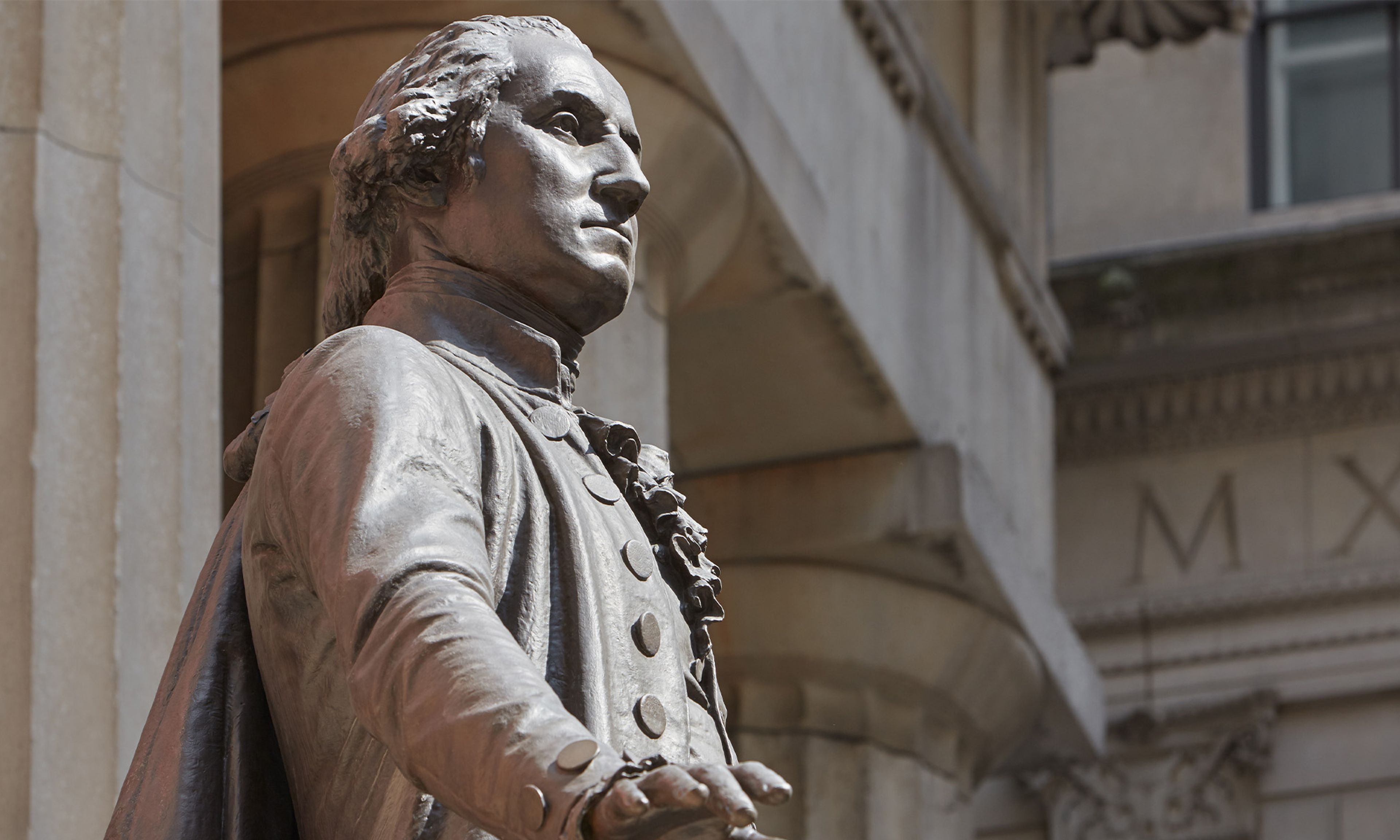
At the dawn of a new year, administrators, professors, and students of elite universities stand raw and exposed before an increasingly dubious public. While university leaders appear weak and aimless and students ideologically adrift, it would be a mistake to give up on our universities. They are too important to freedom in America. For these institutions, part of the way forward now must be a return to civics and civic education to prepare the next generation to steward the American experiment.
Since the Founding, Americans who have thought deeply about how to “secure the Blessings of Liberty to ourselves and our Posterity,” to quote the preamble to the Constitution, have emphasized the critical importance of higher education. In his Farewell Address, George Washington explained that American government is “the offspring of our own choice,” and the preservation of freedom depends on citizens who perform the “duties enjoined by the fundamental maxims of true liberty.” These “duties,” he said, include respect for the Constitution and laws that safeguard our liberty. In his last public appearance as president, Washington proposed to Congress the creation of a national university for the purpose of preparing a corps of civic leaders who would ensure that future generations know how to perform the duties necessary to preserve freedom in America.


Comments