
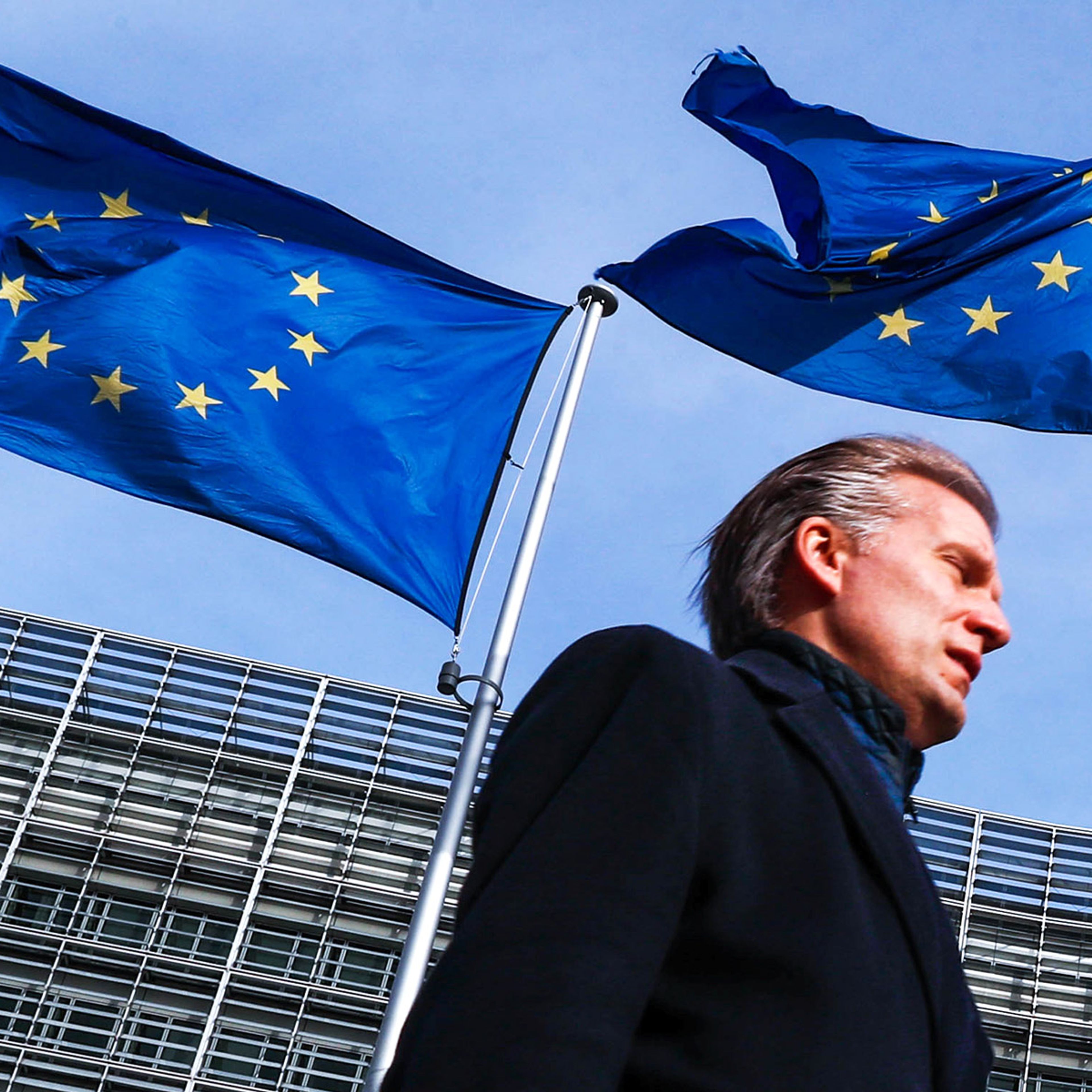
In July alone, European governments have spurned Huawei and criticized Beijing’s handling of human rights. Just this week, the European Union imposed sanctions for the crackdown in Hong Kong. This deterioration of relations has coincided with an awakening to Beijing’s influence operations and coercive diplomacy in the months since the start of the coronavirus pandemic. Chinese diplomats have pressured European officials into accepting their preferred outcomes, occasionally with some success. In April, they convinced EU officials to water down a report that initially cast blame on China for the spread of the virus. But these efforts have also triggered a backlash, such as when the Chinese embassy in France published an article that falsely claimed that French nursing-home caregivers had left elderly patients to die. And in June, another EU report called out Beijing for its disinformation efforts.
Just a few years ago, there was scant public awareness of attempts like these to sway public opinion and government policy in liberal democracies. Australia is a rare exception, as it has for a couple of years faced an onslaught of heavy-handed foreign-influence campaigns. Attorney General Bill Barr’s July 16 speech about the Chinese Communist Party’s ambitions and work to co-opt American businesses and universities marked one of the highest-profile acknowledgments by a top U.S. official of the PRC’s political-influence operations. It was arguably the most prominent warning about CCP influence in the United States or Europe to date.



Comments