
In 2015, facing a migrant crisis that was exacerbated by the collapse of the state in Libya, the ongoing Syrian civil war, and the continuing gains of the Taliban in Afghanistan, Europe’s de facto leader, Angela Merkel, declared, “Wir schaffen das,” or “We can do this.”
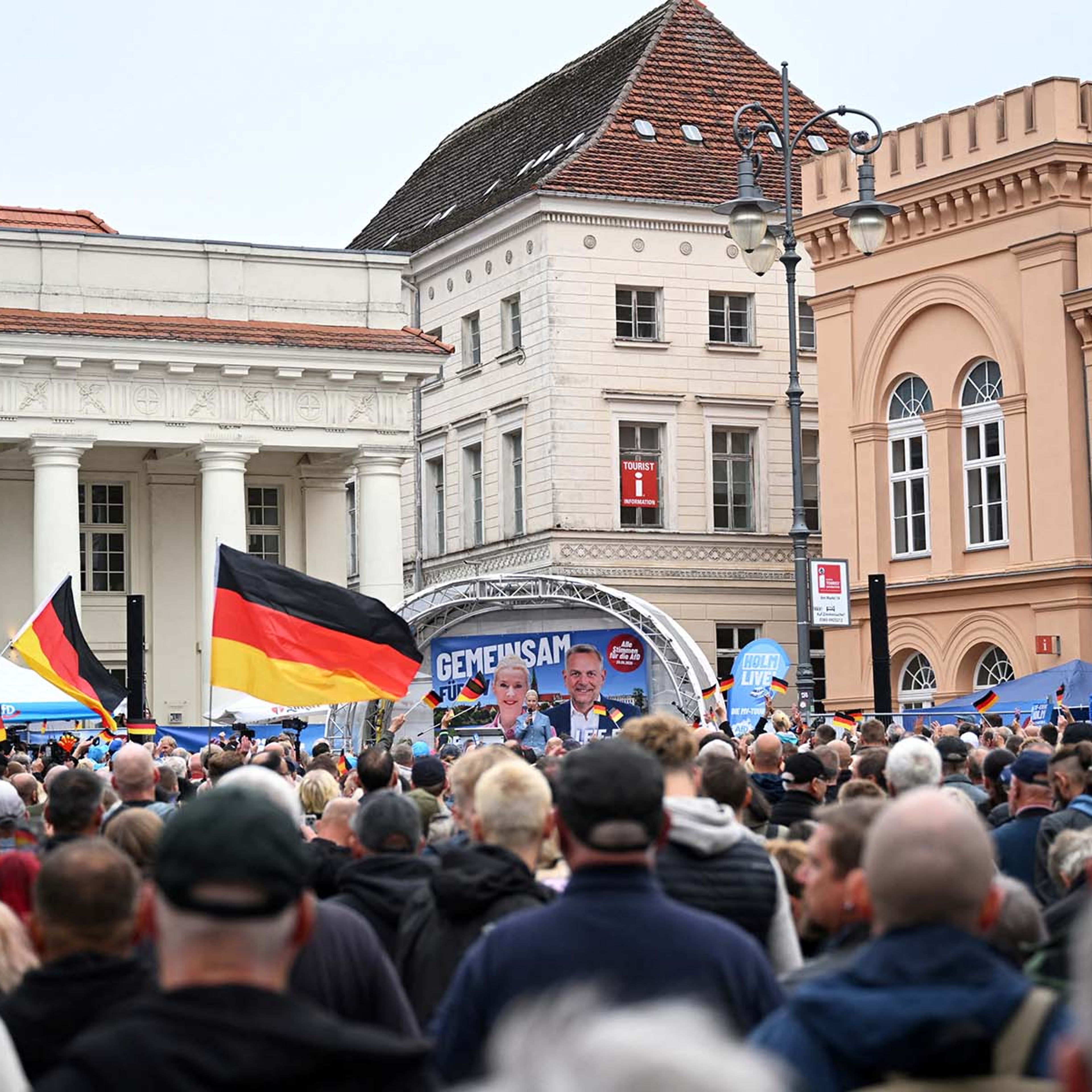
By the end of that year, the terrorist who had masterminded the horrible massacre at the Bataclan concert hall in Paris and the suicide bombing at the Stade de France in a Parisian suburb was discovered to have used the migrant flows to disguise himself and move freely over Europe. Merkel was at the same time taking a hard line with U.K. Prime Minister David Cameron, who was practically begging her to allow some room for national sovereignty within the European Union, which would let the U.K. better control migrant flows. Merkel, seeing herself as the guarantor of the direction of European politics, took a hard line, too: No. The results of this intransigent maximalism — more Europe, more globalism — was Brexit in the U.K. and the rise of populism across the European continent. Even Donald Trump pointed to Europe to motivate his supporters at home in his win over Hillary Clinton.



Comments