When Secretary of State Marco Rubio arrived in Europe to attend the Munich Security Conference and visit with the European Union’s most rebellious member states, Hungary and Slovakia, he was preparing to deal with several serious practical disagreements with his European hosts as well as with an undeniable sense of malaise in transatlantic relations. He did so with panache and some success, after delivering a well-crafted speech on the underlying civilizational bonds uniting Europe and America. And though he left both a better understanding of U.S. positions and a better mood (signified by the standing ovation he received in Munich) by the time of his departure, he also made clear that the Trump administration will fight its corner on those disputes that remain undecided.
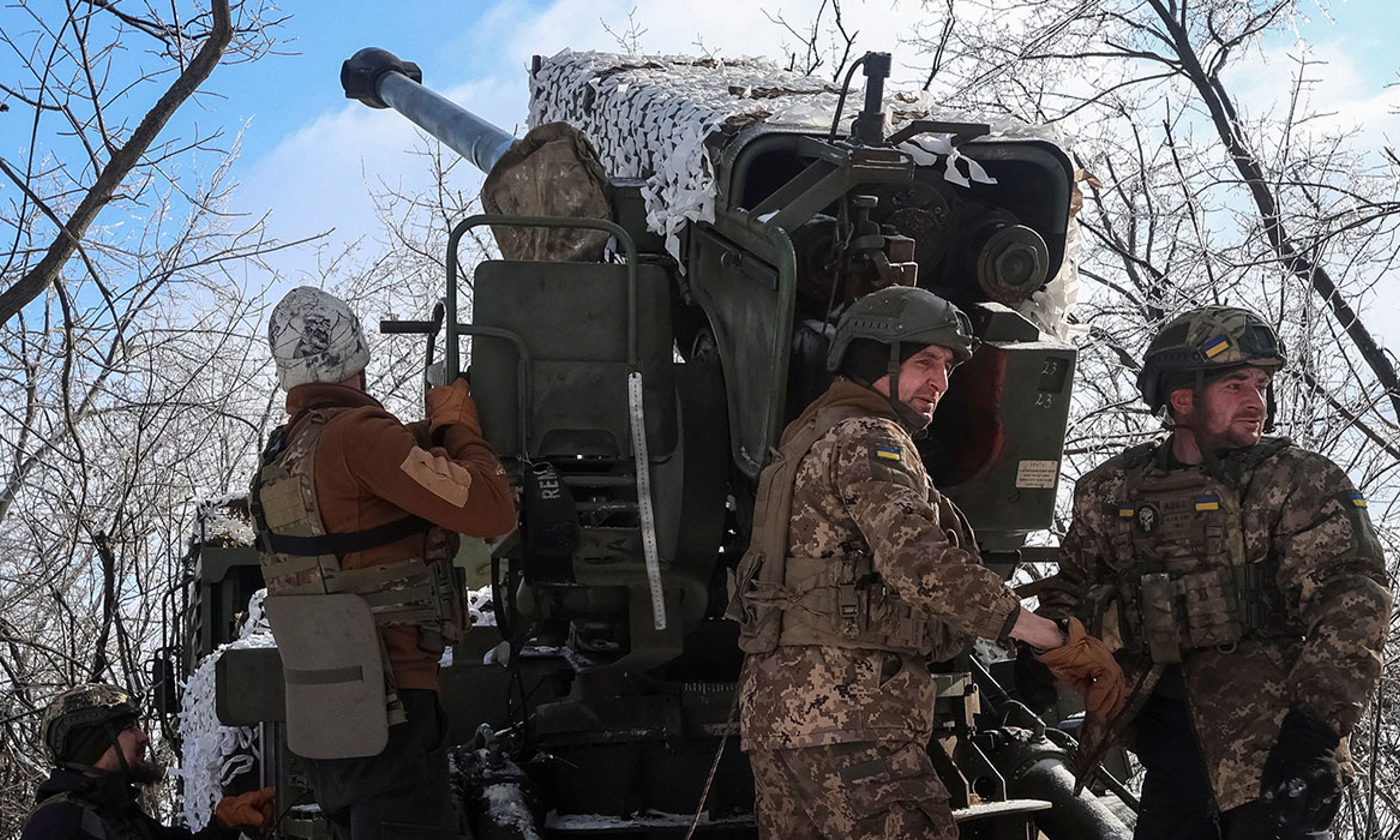
Consider the most urgent and basic of these disputes: Washington differs from most European governments on the crucial question of whether Russia poses an existential threat to Europe. That disagreement is being quietly ignored while President Trump’s peace initiative is being pursued with crossed fingers. In this interregnum, NATO allies have accepted in principle a new definition of burden-sharing — all NATO members will increase defense spending, and Europe will finance Ukraine’s military resistance (including the purchase of U.S. arms) while the U.S. maintains a smaller but still vital conventional force on the continent. Eventually, peace talks will either succeed or fail. In the former case, U.S. support for security guarantees to Ukraine will presumably be in the settlement (maybe because President Trump doesn’t believe that Russia is a threat); in the latter, the war will continue and the president will come under heavy European pressure to add some kind of U.S. backup to strengthen support for Ukraine. That will be a key moment for all of NATO.


Comments