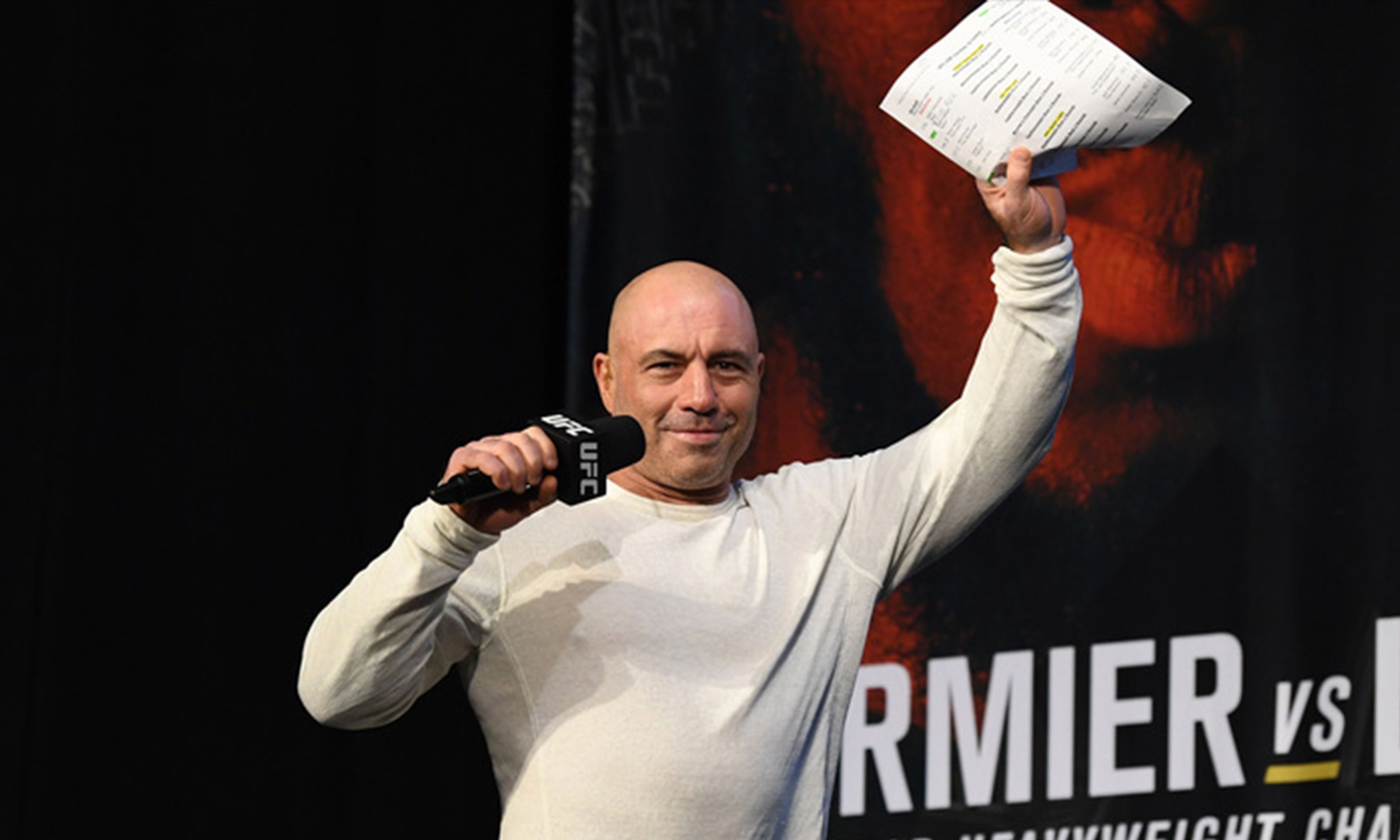
A question that I never expected to ask: What do Harper Lee and Joe Rogan have in common?
When it comes to banning books, the would-be censors offer a couple of distinct arguments. One of those is a case based on danger, an argument that certain words or images are harmful per se or that they contribute to a cultural situation that is dangerous. When progressives call for the removal of To Kill a Mockingbird or The Adventures of Huckleberry Finn from libraries and curricula, the most common complaint (though not the only one) is that the racial slurs in those books may cause students stress, from which they must be protected. A related complaint, made against figures such as Joe Rogan (and your favorite correspondent) is that their words or ideas present a danger to the general public or to certain vulnerable populations such as transsexuals. It should be noted that while this argument is usually deployed in the service of some program of limited suppression, such as removing a book from a library or forcing a controversial figure off of Spotify, it is as good an argument for a more general program of formal censorship. We see relatively little of that in the United States, thanks to the First Amendment — partisans of the “living Constitution” should think about why it is that we write our laws down to begin with. But in countries with less-robust free-speech protections, these arguments support campaigns of general or targeted censorship: In the United Kingdom, government officials already are looking at ways to punish Netflix for Jimmy Carr’s jokes, while in Austria you can go to prison for selling a prohibited political book.





Comments