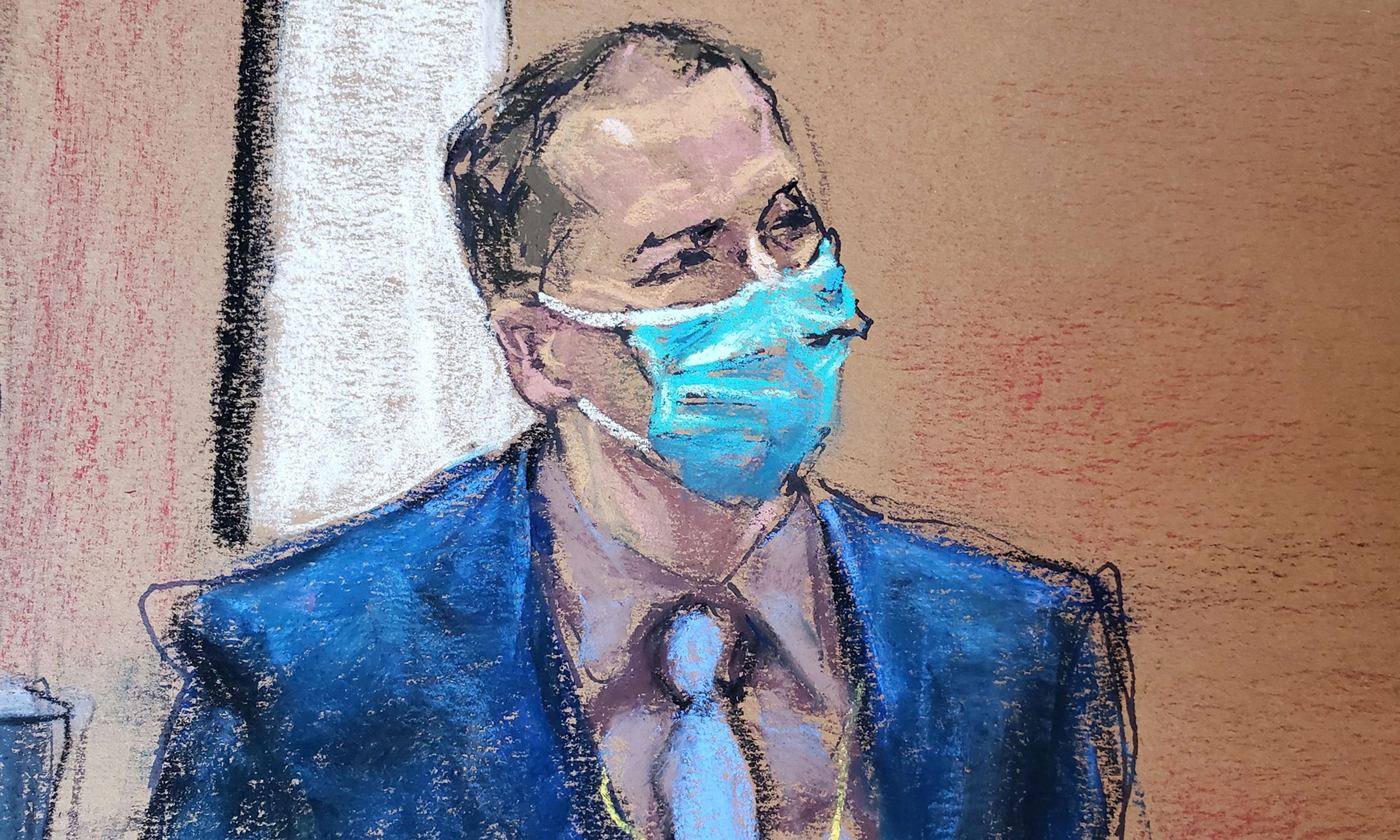
On Monday morning, the prosecution and defense will sum up to the jury in the murder trial of fired Minneapolis police officer Derek Chauvin for allegedly causing the death of George Floyd last Memorial Day. Minneapolis is on tenterhooks, as are other major cities across the country, because it is inevitable that the radical Left will riot. If Chauvin is convicted of murder, the rioting will be portrayed as an affirmation that the nation’s police are hunting down young black men. If Chauvin is acquitted, or even if he is “merely” convicted of manslaughter (a felony carrying up to ten years’ imprisonment), the rioting will probably be more intense, because of what will be portrayed as systemically racist America’s denial that it is systemically racist.
True Justice Is Individual JusticeIt is an awful thing for the country when justice stops being justice, when it is perverted into a racialized morality play. There can be no coexistence of justice and “social justice.” The latter denies what is essential to a judicial system that aspires to actual justice in criminal cases: the unstinting principle that guilt is individual.





Comments