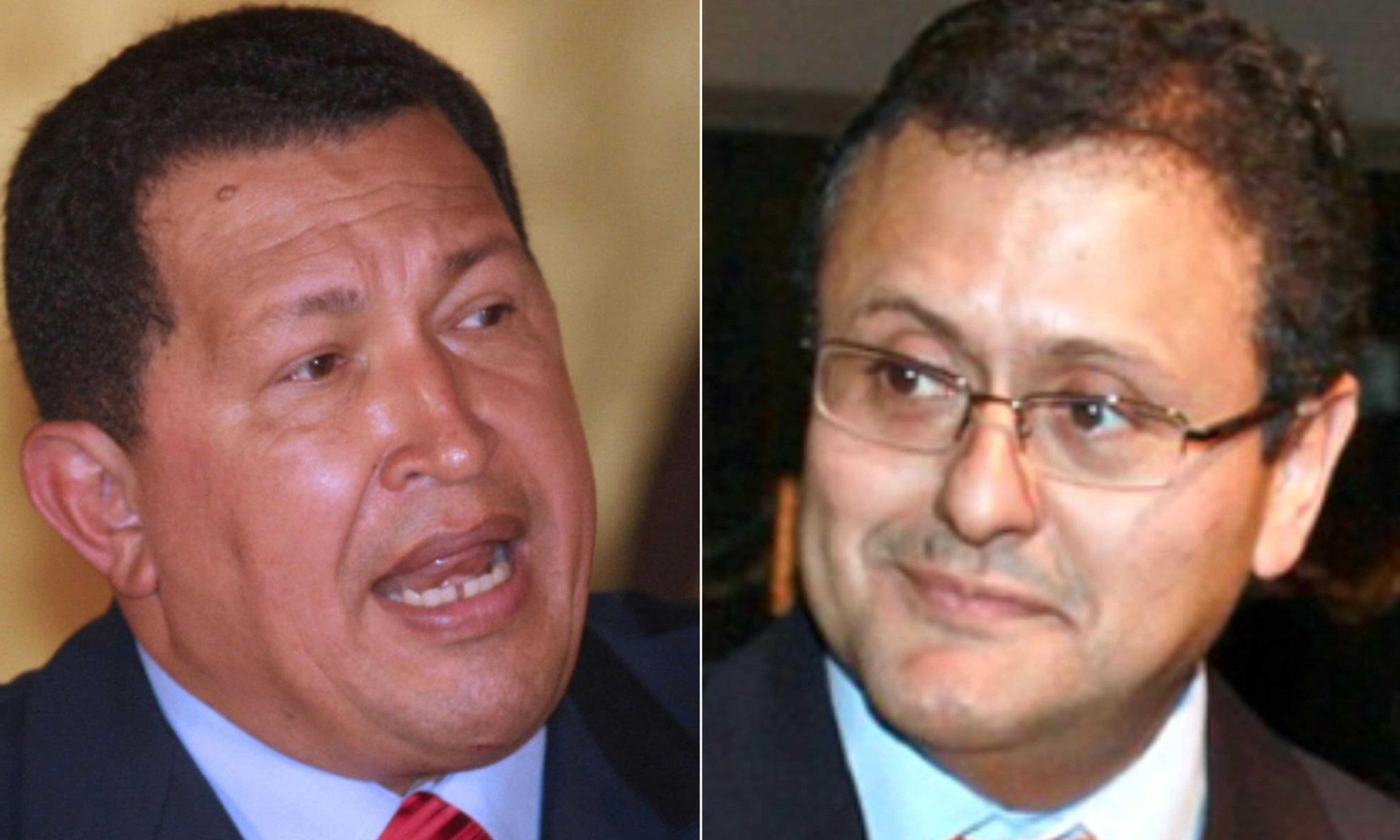
Georgetown University recently promoted Angelo Rivero Santos, a former official in the regime of Venezuela’s late socialist dictator Hugo Chávez, to the role of interim director of its Center for Latin American Studies (CLAS). Between 2006 and 2013, Rivero Santos held various positions in the Venezuelan embassy in the United States, eventually serving twice as acting ambassador for the Chávez regime. “As of today, I am humbled to follow in the footsteps of those that have served as Directors of CLAS in the past by serving as your interim-Director for the academic year 2022–2023,” Rivero Santos wrote in a July 1 statement to the university department.
This is the same university that stirred controversy in January for placing Ilya Shapiro, who was set to lead its law school’s Center for the Constitution, on administrative leave during a four-month “investigation” for three tweets in which he questioned President Biden’s reliance on racial and gender preferences in promising to nominate a black woman — to the exclusion of all other possible nominees — to replace Supreme Court justice Stephen Breyer. In the end, the law school reluctantly retained Shapiro, though it legitimized the tactics and concerns of the woke mob attacking him. Shapiro resigned days later, citing his belief that the school had “yielded to the progressive mob, abandoned free speech, and created a hostile environment.”




Comments