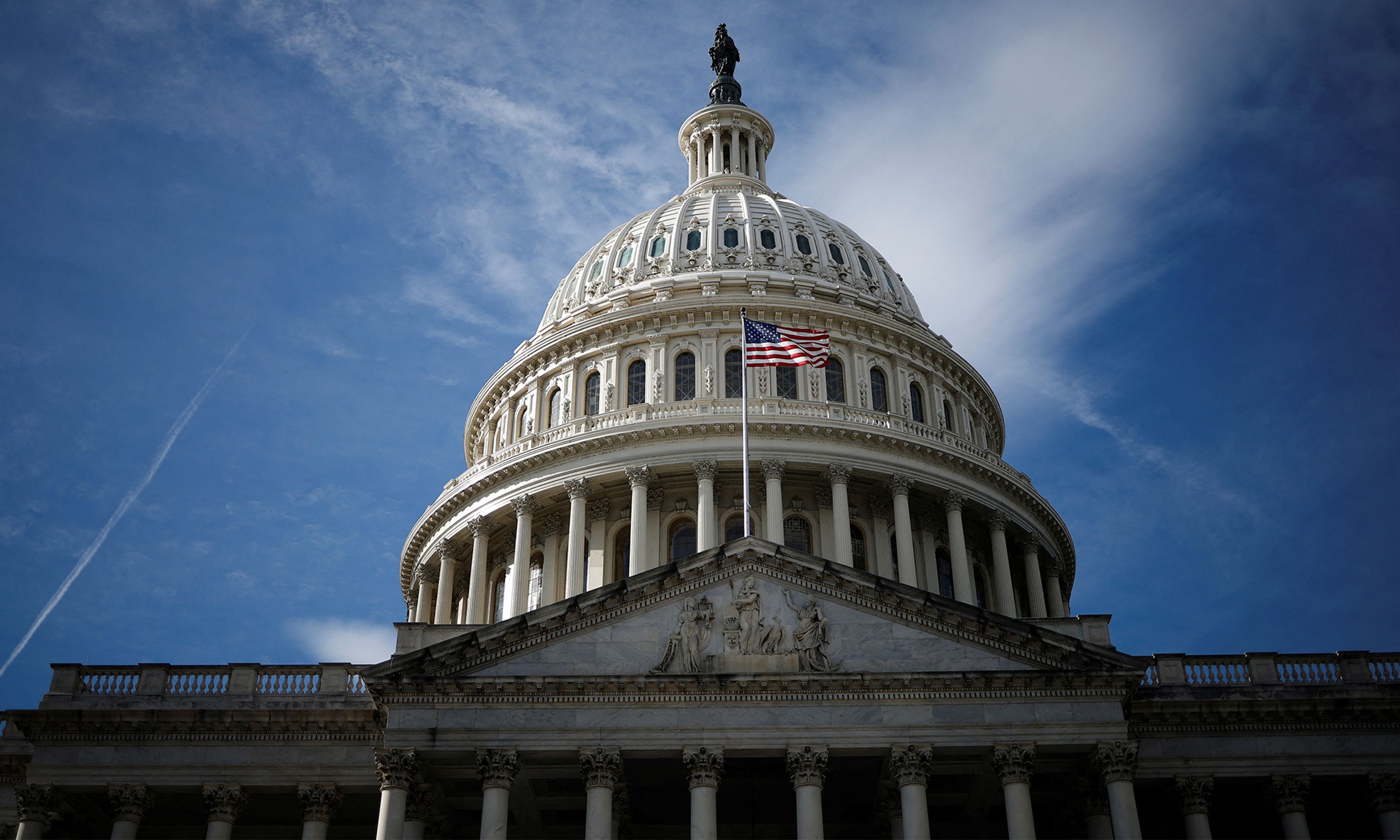
The 119th Congress is sworn into office today. It will be the 38th such Congress to feature a Republican-controlled House of Representatives, and the twelfth Republican House of the last 16. But before that, Democrats held a 40-year hammerlock on the House between 1954 and 1994, culminating an era in which they held the House for 60 out of 64 years since 1930. Democrats have never really gotten over the end of that era, in which they considered a House majority their birthright. Nancy Pelosi, Steny Hoyer, James Clyburn, Chuck Schumer, and Dick Durbin all entered the House before 1994.
For Democrats, if Republican majorities seem unnatural, they must be unfair. A hardy perennial of progressive critics of the American system since 2010 is to claim that gerrymandering is a pernicious scheme practiced by Republicans to give the party an unfair advantage in the House that its popular support does not deserve. The theory is willfully amnesiac about how Democrats benefited from gerrymandering all those years. And it hasn’t stopped even as the argument has grown increasingly disconnected from current electoral reality.




Comments