The ghosts are squeaking and gibbering at Hyannis Port.
The shade of old Joe, the founder of the family, is undoubtedly ecstatic: another Kennedy in the Senate! No matter that Caroline is looking to sneak into the chamber through the back door. You can almost hear the old dynast’s advice to a granddaughter who, if she has not exactly mounted the hustings, has begun to work the phone banks of Camelot and put its fundraisers on notice: “Why settle for an ambassadorship to England, Caroline, when you can cajole a governor into giving you a seat at the table in Washington? Besides, the Court of St. James’s is still taboo for us Kennedys: My service there was not exactly what your dad would have called a ‘profile in courage.’ For the life of me I don’t know why everyone jumped on me in 1940 when I said that democracy was ‘finished’ in England. How the heck was I supposed to know that Churchill would rouse the wounded lion?
“But see here, Caroline: Your dad, God bless him, was always a softie for that WASP bologna about honorable public service, ‘to whom much is given, much is expected,’ ‘ask not what your country can do for you,’ bla, bla, bla. Hell, if I hadn’t leaned on the Pulitzer people, that stupid book on WASP senatorial etiquette I had Sorensen and Schlesinger ‘help’ him with wouldn’t have won the damn prize. If you don’t lean on Paterson the way I leaned on the Pulitzer board, you won’t get the prize either, no matter how many times you’ve chatted up Mike Bloomberg at bogus charity events. Think of it, Caroline: If you screw this one up, who will we have in the Senate to ease the way for Victoria Reggie when her turn comes?”
* * * *
Caroline Kennedy, an electoral virgin at 51, is flexing her family’s muscle in order to jump to the front of the political queue. In doing so she is quite obviously listening to the spirit of her grandfather rather than that of her father. John F. Kennedy, who made his way in politics by, yes, winning elections, was always a little shame-faced about the grasping vulgarity of his old man’s nepotism.
True, Jack was faithful to the family mores when, after his election as president in 1960, he nominated brother Bobby to be his attorney general. But (1) Bobby, who had run Jack’s campaigns and earned a reputation as an effective investigator on the Senate Rackets Committee, had far more experience of public life than his niece Caroline does and (2) he went through the customary appointment process to get the job (nomination by the president and confirmation by the Senate).
Bobby Kennedy wasn’t about to sneak into the Justice Department through the back door of a recess appointment, but even so Jack hesitated to give him the job. Bobby himself, Schlesinger wrote in A Thousand Days: John F. Kennedy in the White House, was “reluctant” to take it. Schlesinger explained why the brothers acted against their own better judgment: “The President-elect’s father meanwhile hoped that Robert Kennedy would become Attorney General.”
Substitute for the word “hoped” a more forceful verb, and you get the picture. The old man gave the order. Jack himself was embarrassed; like Michael Corleone in The Godfather, he’d hoped to escape this sort of hereditary shabbiness. But, like Michael, he submitted to the patriarch’s will. When warmed-over WASP remainderman Ben Bradlee asked him how he would make the announcement, Kennedy was on his guard: “Well, I think I’ll open the front door of the Georgetown house some morning about 2:00 A.M., look up and down the street, and if there’s no one there, I’ll whisper, ‘It’s Bobby.’”
On December 16, 1960, JFK did make the announcement. He was properly circumspect: “Damn it, Bobby, comb your hair,” he said. And: “Don’t smile too much or they’ll think we are happy about the appointment.”
Six days later, on December 22, JFK resigned his Senate seat. Kid brother Ted, 28 at the time, was not old enough to get into the senatorial club through the back door of a gubernatorial appointment. Even if he had been, it is not clear that, after the selection of Bobby for Justice, there would have been enough political capital left over to pay for such an act of dynastic extravagance.
As a result Ted got into Senate the old-fashioned way, by running for the job in 1962, the year in which he came of senatorial age. It was better for him, his family, and the Senate itself that he was sent to Washington by the suffrages of the voters of his state and not by J. F. Furcolo, the governor of the Commonwealth at the time. Ted’s victory in the election gave his legislative career a legitimacy it would otherwise have lacked.
Caroline Kennedy, in trying to grab a Senate seat on the sly, revives all that is least attractive in the dynastic politics begun by her grandfather. But a dynasty that evades elections and seeks instead to perpetuate itself through the arts of chicanery and nepotism will have its reward.
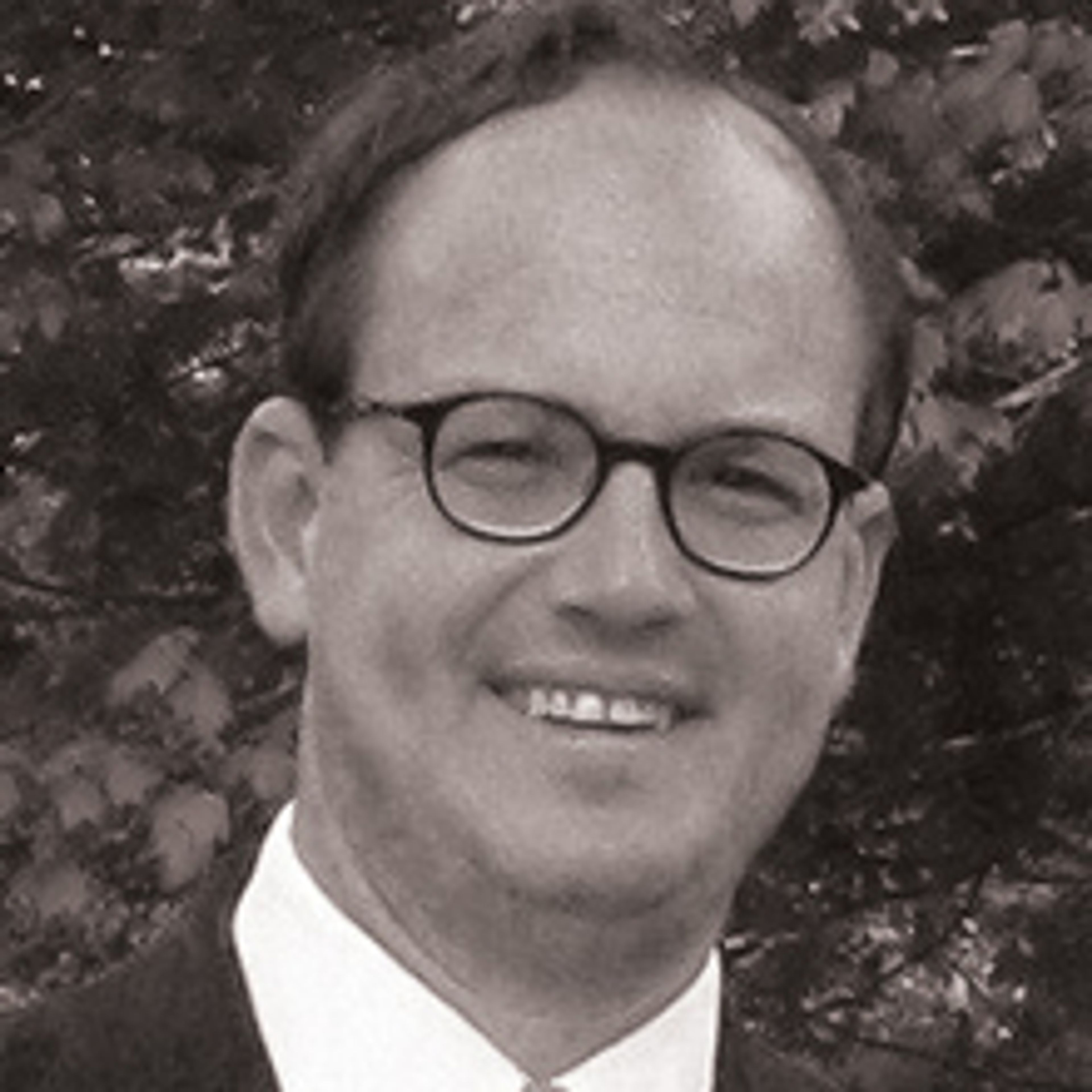
– Michael Knox Beran is a contributing editor of City Journal. His most recent book is Forge of Empires 1861-1871: Three Revolutionary Statesmen and the World They Made.





Comments