The Wanli Emperor ruined the noble intentions of the Ming dynasty’s founder, locked himself inside his palace, and indulged in the good life. He was obsessed with avoiding contact with townsfolk and, needless to say, their affairs, even 500 years before the coronavirus. Meanwhile, in Rome, after the death of Marcus Aurelius, the Empire staked its future in the hands of his son Commodus, who managed to ruin the good standing of the family business in record time. He was a paranoid, selfish, and reckless despot. And he died strangled, because at the time magnicide wasn’t frowned upon if the ruler was useless enough; this may have been brutal, immoral and unfair, if you will, but you must admit that it did contribute towards creating healthy competition and a drive for excellence within the political class.
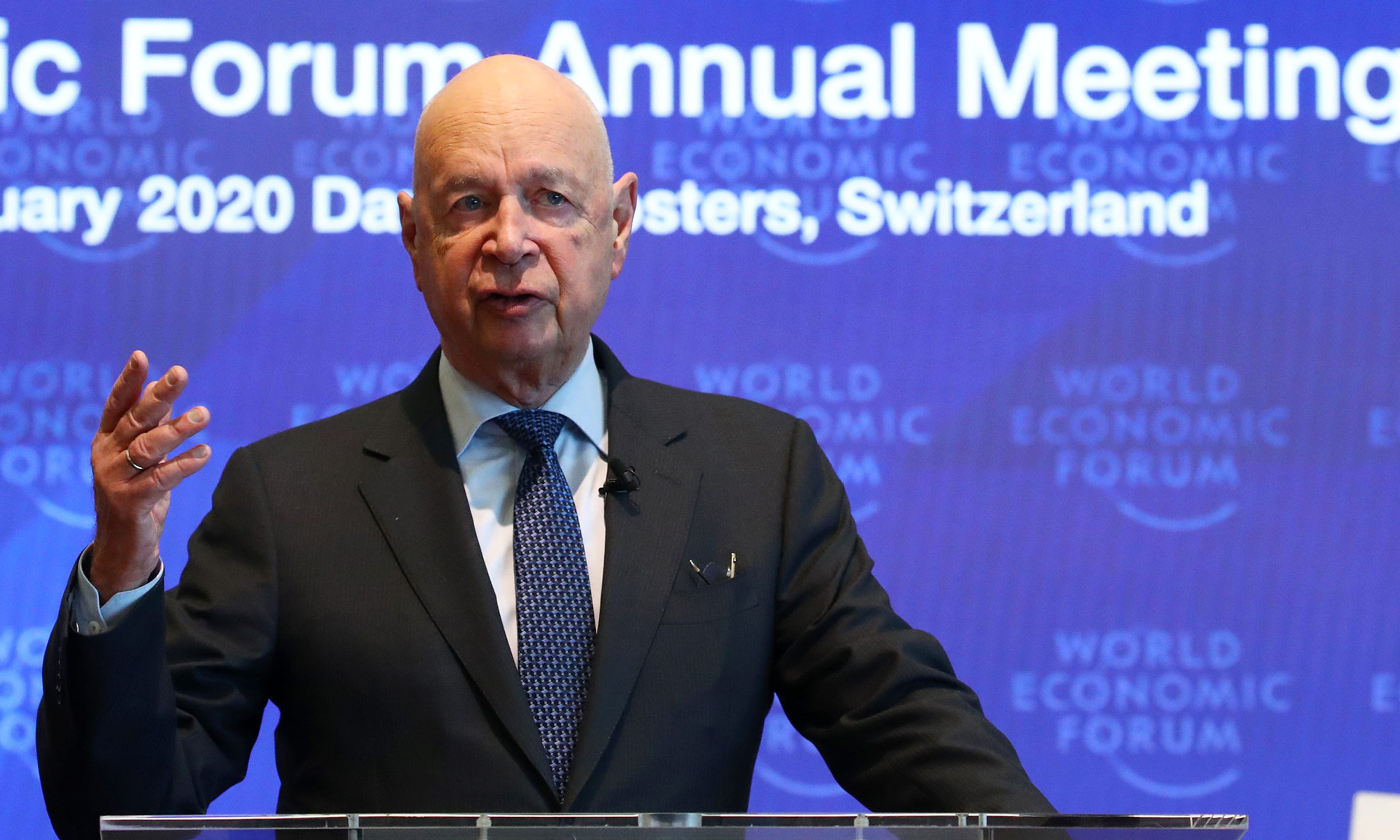
What does this have to do with our modern-day travails? If you happened to look in this past week on the preening “statesmen” at the World Economic Forum (WEF)’s Davos gathering, you might have seen vaguely familiar displays, competing with the Wanli Emperor’s nonsense and Commodus’s foolishness.





Comments