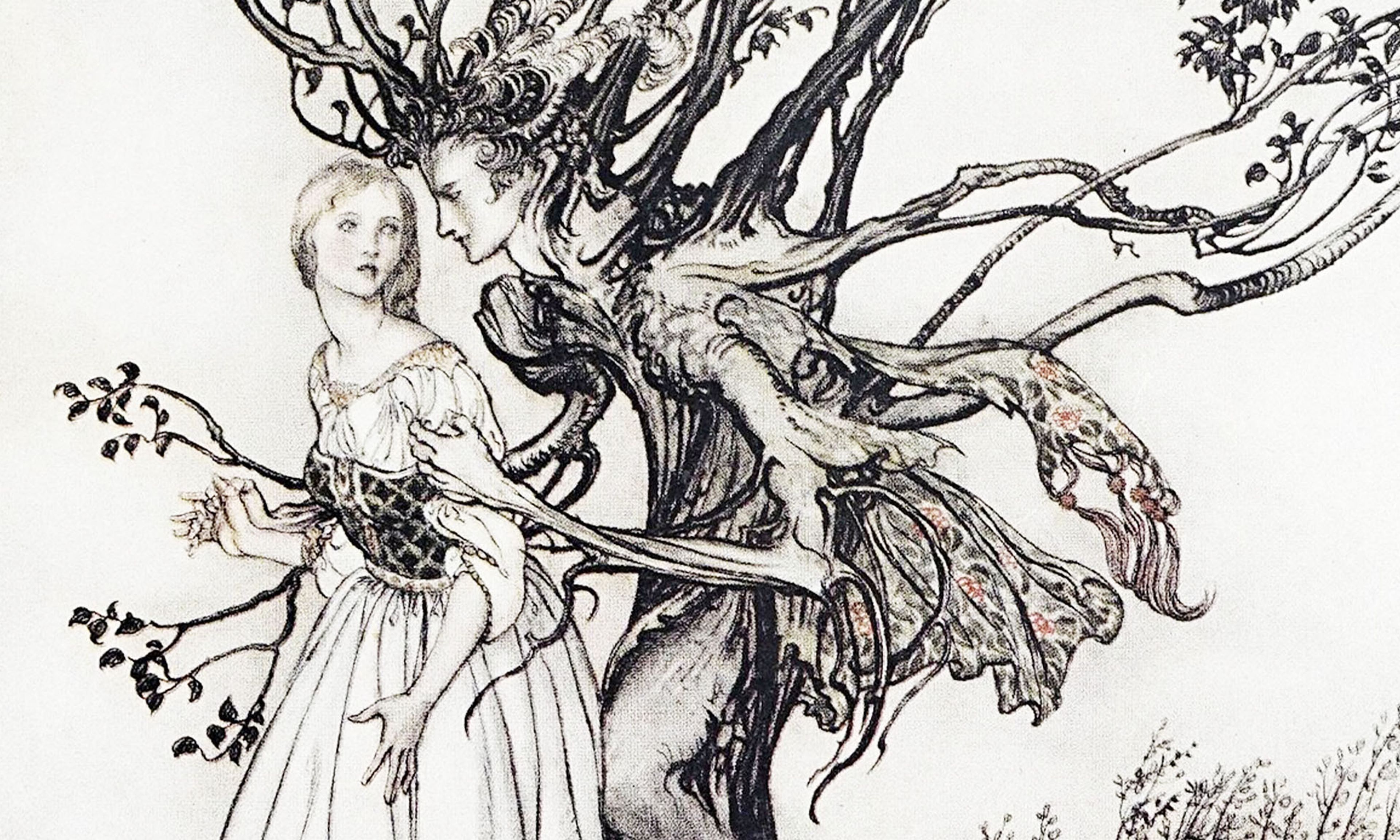
The term “fairy tale” has some pretty decided connotations. “Girly,” “frilly,” and “overly romantic” are all adjectives that come to mind. If, however, you’ve spent any time at all reading Grimms’ Fairy Tales, you’ll know that some better descriptors might be “preposterous,” “absurd,” “horrifying,” and “outlandish.”
The tales themselves range in genre everywhere from morality tales to fables to horror stories. A number of them, such as “Cinderella,” “Snow White,” “Rapunzel,” and “Little Red Riding Hood,” are inextricably woven into our cultural heritage. Disney, of course, is the most well-known re-teller and promoter of these stories, but hundreds of books (and maybe even thousands) have also helped anchor the basics of these tales in our minds. Beauty and the Beast may be a “tale as old as time,” but I don’t think Belle has had as many iterations as Cinderella, who has made appearances as, among others, a chicken, a javelina, a 1920s flapper, and a beautiful Mexican señora.





Comments