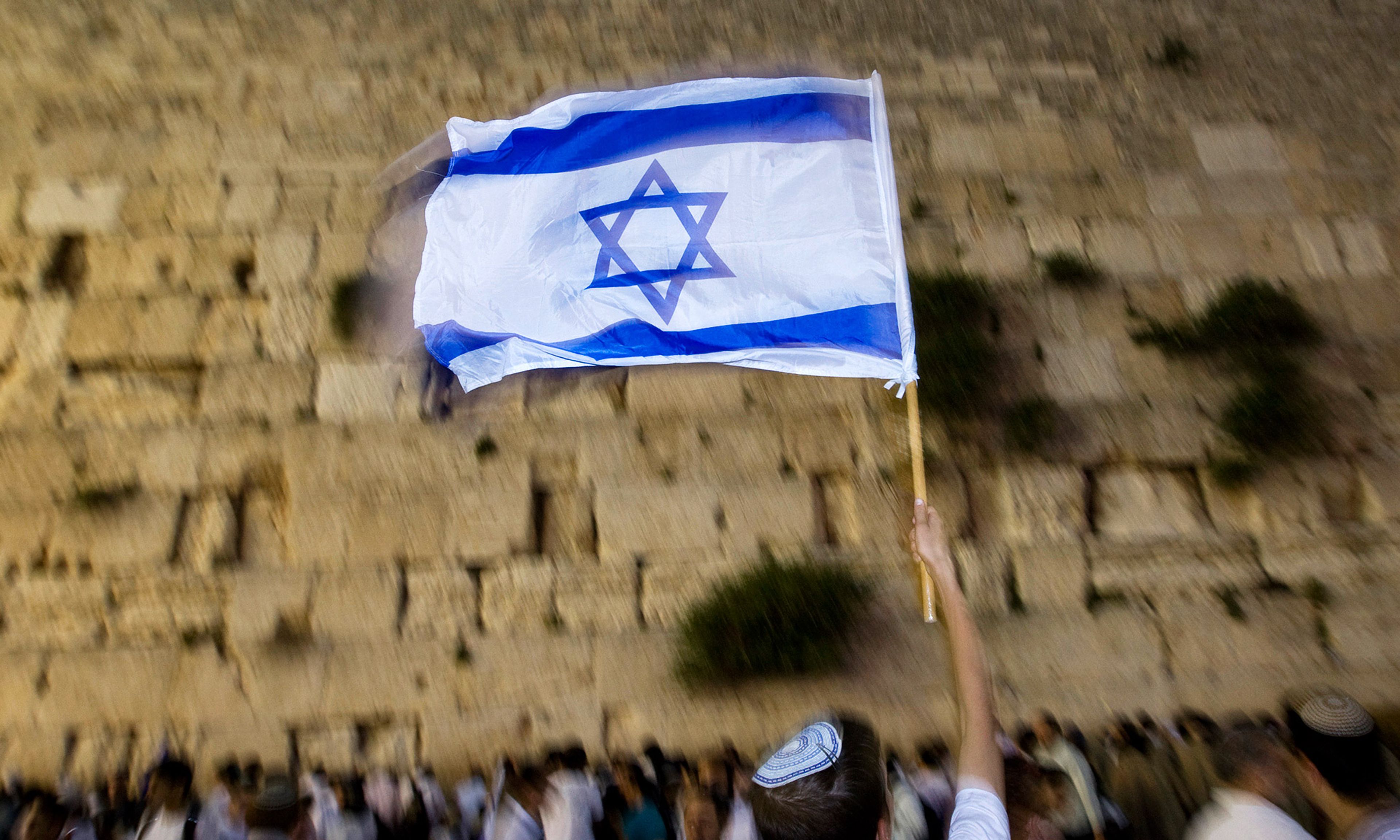
The deep Zionism of the Hanukkah story resonates especially in this era of endemic anti-Zionism and antisemitism. Hanukkah celebrates Jews’ successful assertion of their right to live freely in their ancestral homeland with Jerusalem as its capital, and warns that without Israel, Jews cannot be truly free anywhere. That the holiday came to be celebrated as a mystical miracle instead of a military triumph illustrates how good treatment of Jews in a non-Jewish state is inherently contingent and insufficient, and only an independent Jewish state can guarantee Jewish wellbeing.
In 167 b.c. the Greek Seleucid king Antiochus IV conquered Jerusalem. After slaughtering much of the population in retribution for the cost of a two-year siege, Antiochus occupied the city and began the process of Hellenizing the region’s remaining Jews. He banned Jewish ritual and desecrated the Second Temple, plundering its golden artifacts, installing a statue of Zeus, and sacrificing a pig on the alter. His idolatry, which aimed at the heart of the world’s first (and then only) monotheistic faith, seemed designed to inflame resentment.


Comments