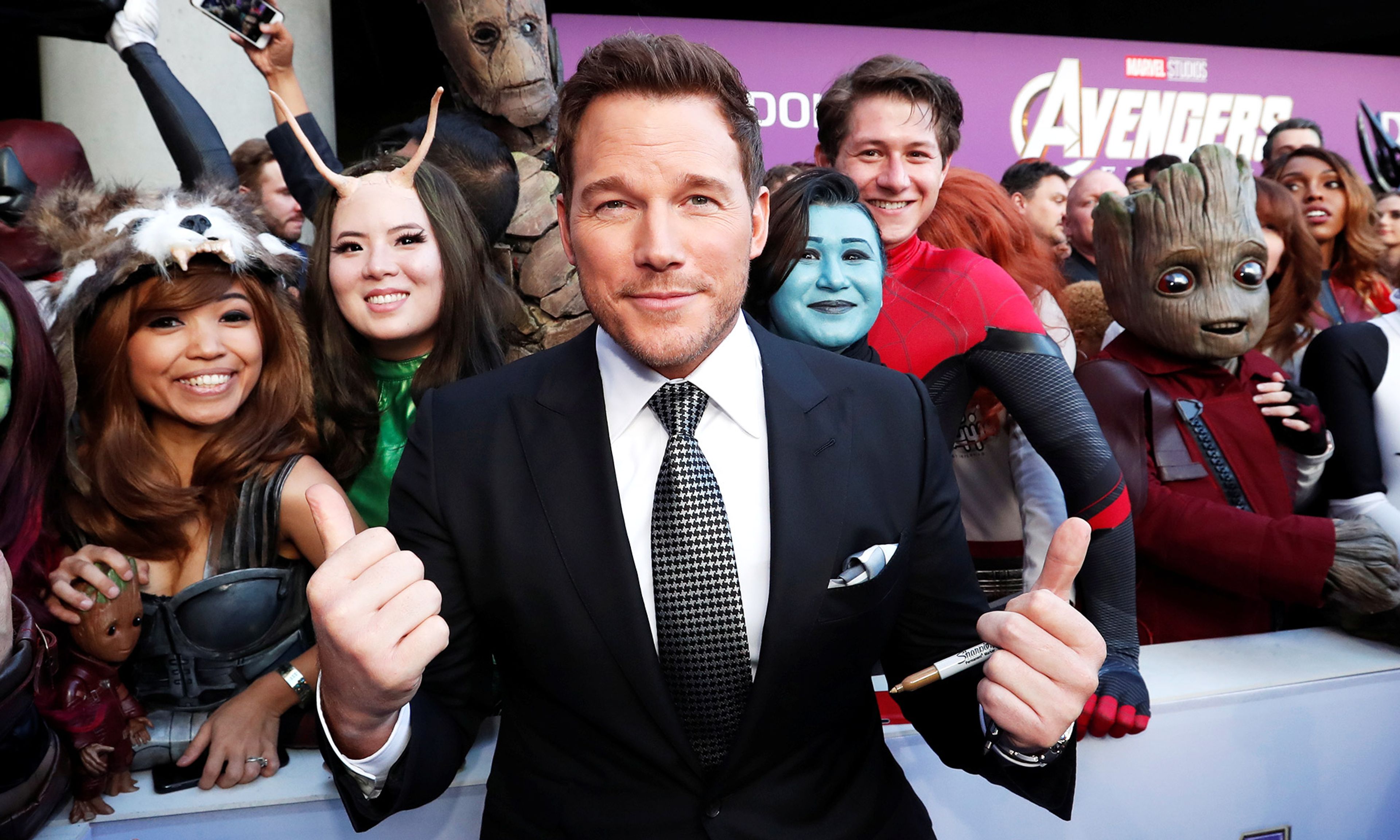
Poor Marvel Studios. Ever eager to get its popular comic-book-movie releases into the Chinese box office, the billion-dollar-earning Disney subsidiary tailored two of its upcoming releases specifically with China in mind. Only a certain number of foreign films are allowed into the country each year, so ingratiating oneself with the Chinese is one way for foreign (i.e., American) films to up their chances. But for complicated (and somewhat amusing) reasons, the prospects are uncertain that either movie will be released in China at all, according to a recent report by the film-trade publication Variety. This is just one of many challenges facing Marvel as it seeks to extend its decade-plus of box-office success with the popular comic-book genre. Indeed, there is reason to believe that we have already seen the peak of Marvel.
This would be a big change. Since 2008, when the release of Iron Man launched the Marvel Cinematic Universe (MCU), Marvel Studios has mostly been riding high. The idea of giving inherently juvenile comic books A-list acting and production pedigrees did not begin with Marvel. But its approach, which also involved separate franchises for individual characters who would interact across movies, thus advancing smaller narratives while simultaneously furthering an overarching one, seemed to create a mutually reinforcing effect that made each individual movie more popular, supercharged receipts for collaborations, and turned once-obscure titles (e.g., Guardians of the Galaxy) into hits.





Comments