No one really expects this year’s presidential campaign to be decided on issues. But in fact, we are heading toward a new record for vacuousness. To see how far we’ve drifted from any connection with the real world, consider just one issue: health-care reform.
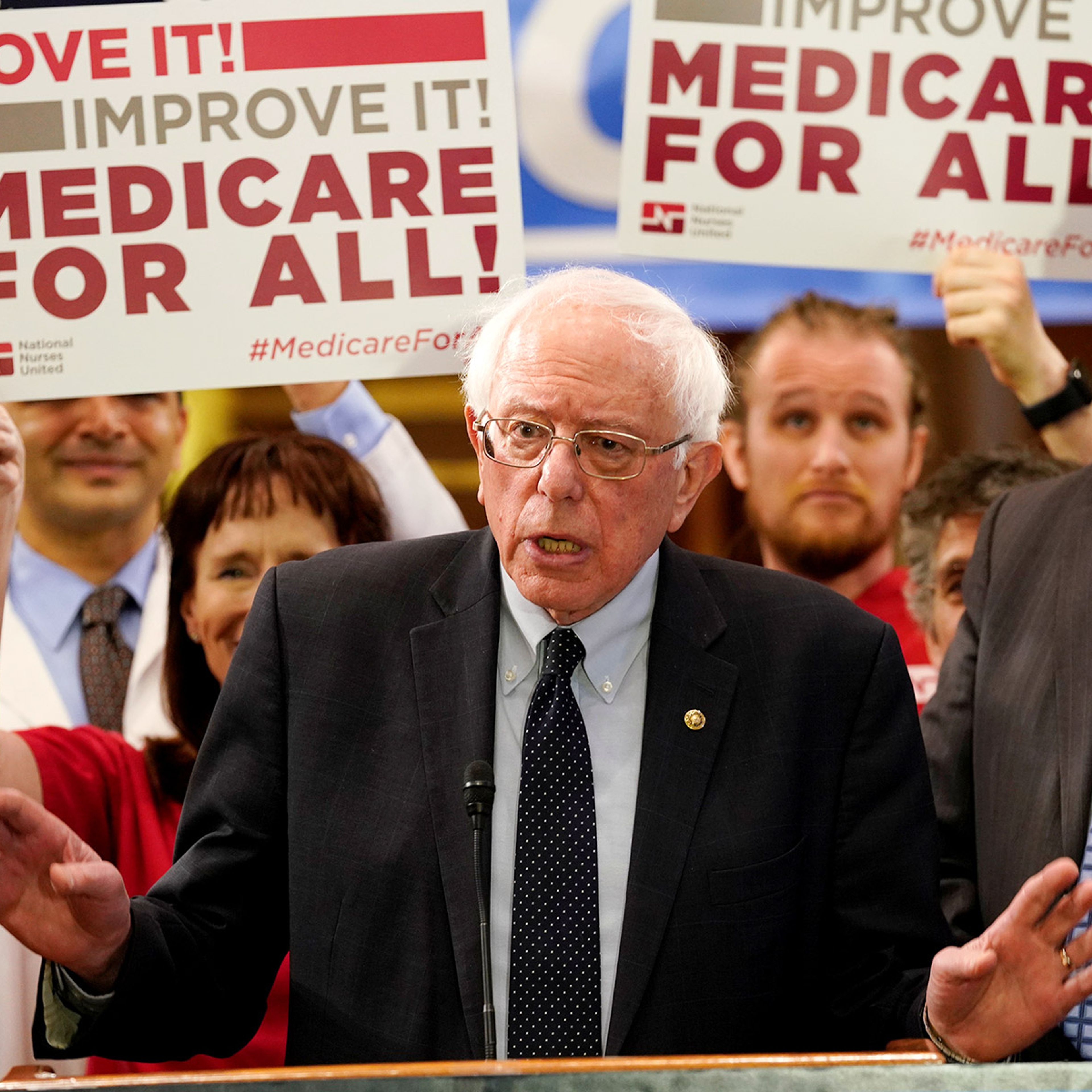
Exhibit 1: A new study from the liberal Urban Institute estimates that Bernie Sanders’s pet proposal for a single-payer health-care program would cost $32 trillion over the next decade. That’s right: $32 trillion! It’s hard to even get your head around that number. It’s eight times more than the entire federal budget this year. It’s more than the federal government has spent on everything since 2007. Yes, Sanders would hike taxes to pay for his plan, by some $15 trillion over ten years. But even the largest tax hike ever considered in the United States wouldn’t come close to covering the cost.
Sanders calls his plan “Medicare for all.” Given that Medicare is running some $40 trillion in the red, that might not be the best model, but Sanders is undeterred. In fact, his plan would actually cover far more services than Medicare ever dreamed of, including long-term care. In addition, he would do away with all of Medicare’s modest cost-sharing components, like co-payments, deductibles, and premiums.
When Bernie Sanders promises “free health care,” he means it. Except for everyone who will have to pay for it.
Exhibit 2: Continuing her strategy for bankrupting America just a little more slowly than Senator Sanders, Hillary Clinton is now calling for a Medicare “buy-in.” Under her proposal, Americans not currently eligible for Medicare — initially those aged 50 to 65, but eventually, who knows? — could enroll in the program if they wished. To do this, they would have to “buy in” — that is, pay a premium that would supposedly cover most of their expected costs.
But since Medicare currently pays on average some $300,000 more in benefits for a median-income couple than they pay in taxes and premiums, the chances of the proposal’s being revenue-neutral are slim at best. Back in 2008, the Congressional Budget Office estimated that a similar plan would cost roughly $7,600 per year per enrollee. Given the rise in health-care costs since then, today’s annual cost would likely exceed $8,000. If premiums are truly cost-neutral, healthy people will find them excessive, meaning that most enrollees will be sicker and more expensive to treat than average. Hello, adverse selection!
Let us not forget that $40 trillion in unfunded liabilities facing Medicare. Adding more people to a bankrupt program seems a little like crowding more passengers onto the Titanic.
And let us not forget that $40 trillion in unfunded liabilities facing Medicare. Adding more people to a bankrupt program seems a little like crowding more passengers onto the Titanic.
It is also worth pointing out that Medicare under-reimburses doctors and hospitals for the services they provide; by some estimates, it pays as little as 63 cents on the dollar. Doctors and hospitals offset some of those losses by charging extra to those of us with private insurance. That drives up our premiums and/or out-of-pocket costs. Crowding more costly and sick people into Medicare will make such cost-shifting even worse.
No matter what, we can expect to pay more.
Exhibit 3: And Donald Trump’s plan for health-care reform is — well, who the heck knows? Trump has supported single-payer health care in the past, and even in the primary campaigns he has waxed rhapsodic about the Scottish and Canadian health-care systems. We know that he thinks Medicare is mostly just fine as is. He says that he won’t touch it — except by negotiating lower prescription-drug prices, something the CBO says can work only if you restrict (ration) which drugs are available in each therapeutic class.
But as for health care more generally, Trump’s plans are somewhere between vague and nonexistent. We know he wants to repeal Obamacare and replace it with “something great.” We know he believes that it is the federal government’s responsibility to “cover everybody.”
He did issue a white paper on health-care reform, but it provides little guidance. He calls for “removing the lines around the states,” by which he means allowing interstate sale of health-insurance plans, a longtime goal of free-market health-care reformers. But only a plan that “complies with state requirements” would be allowed, which would undermine one of the goals of such proposals: escaping state mandates and regulations that drive up premiums. Trump also says he would “allow individuals to use Health Savings Accounts.” That’s a good thing, of course, but it’s hard to tell exactly what he means, since HSAs are already legal. Beyond that, a Trump health-care plan would be a roll of the dice.
In the celebrity culture of this campaign, the media seem obsessed with issues like whether Trump’s objectification of women is more troubling than Bill Clinton’s predatory behavior, or whether Hillary’s dishonesty around Benghazi and her e-mail server outweighs Trump’s courting of racists and anti-Semites. But it would be helpful if, just for a little bit, we all paid attention to actual issues.
Then again, given these three candidates and their proposals, maybe it’s bad news no matter what.




Comments