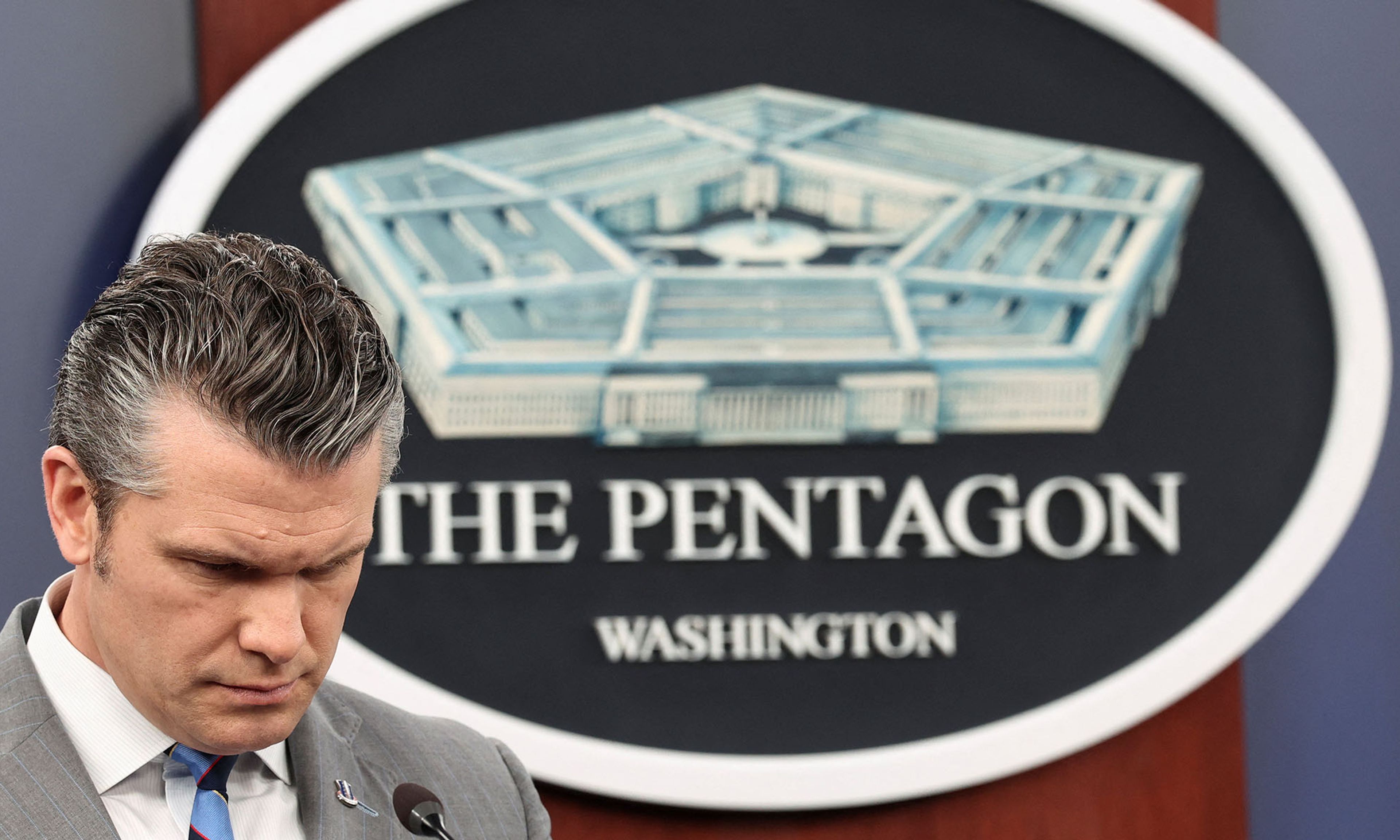
Navy Secretary John Phelan was unceremoniously sacked on April 22. The Navy secretary is responsible for training, supplying, and organizing the service as well as a host of other administrative tasks that are essential, including building more ships more quickly. However, the days when Lincoln’s navy secretary, Gideon Welles, exercised direct control over naval operations are long gone.
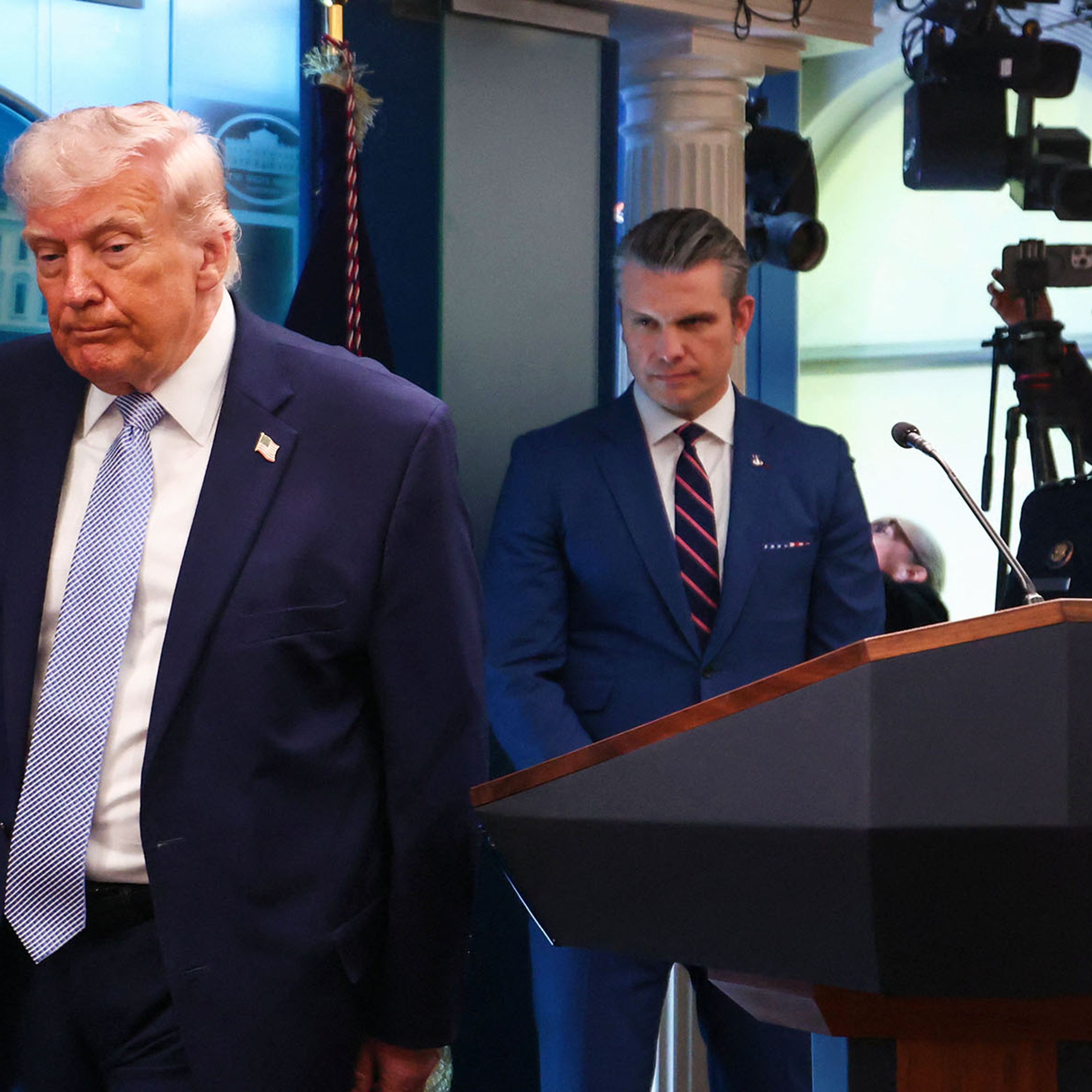
The same disconnect exists today between military service chiefs and operational control of forces. The former do not maintain operational control over the latter. Secretary of Defense Pete Hegseth’s dismissal of U.S. Army Chief of Staff Randy George was remarkable not for its impact, but its lack of impact on operational issues. The reality is that the Iran war has demonstrated the extraordinary power the Joint Staff wields, compared to the service chiefs.




Comments