Stop me if you’ve heard this one before. A figure on the internet says something ridiculous, or grotesque, or both, and, when it is widely explained to him that he has said something ridiculous, or grotesque, or both, he points to the furor that he has engendered as evidence that he must be on to something important enough for his critics to wish to conceal.
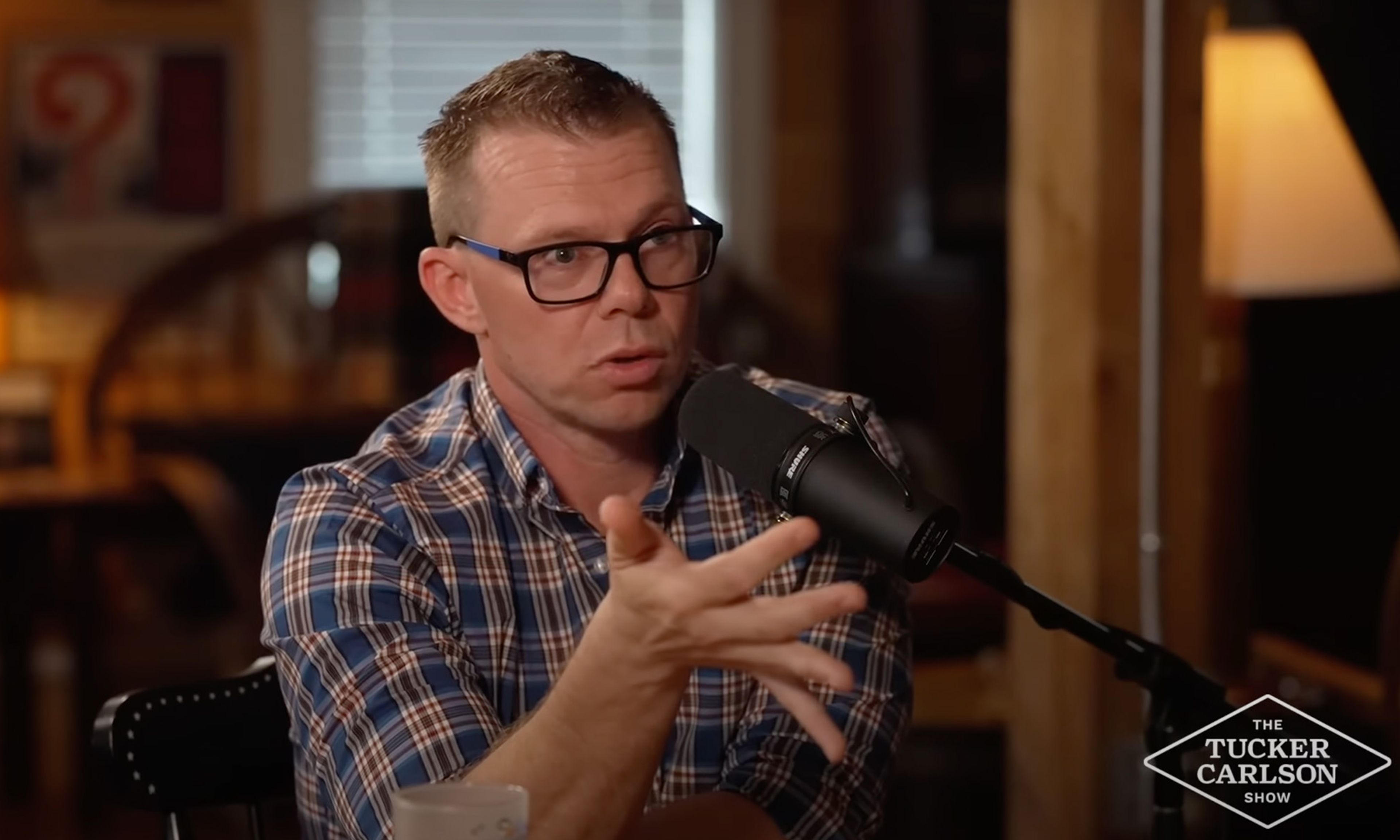
This week, Tucker Carlson had as a guest on his show a revisionist “historian” named Darryl Cooper who, under the guise of challenging what he described as the West’s “state religion,” promulgated a narrative version of World War II that reserved all of its opprobrium for the Allies. Out was the “emotional” “mythology” of Hitler as an evil, genocidal threat; in was the story of a frustrated and misunderstood leader who, in the key period of 1939–40, was most famous around the world for “firing off peace proposals” and hoping that Britain would remain “strong.”


Comments