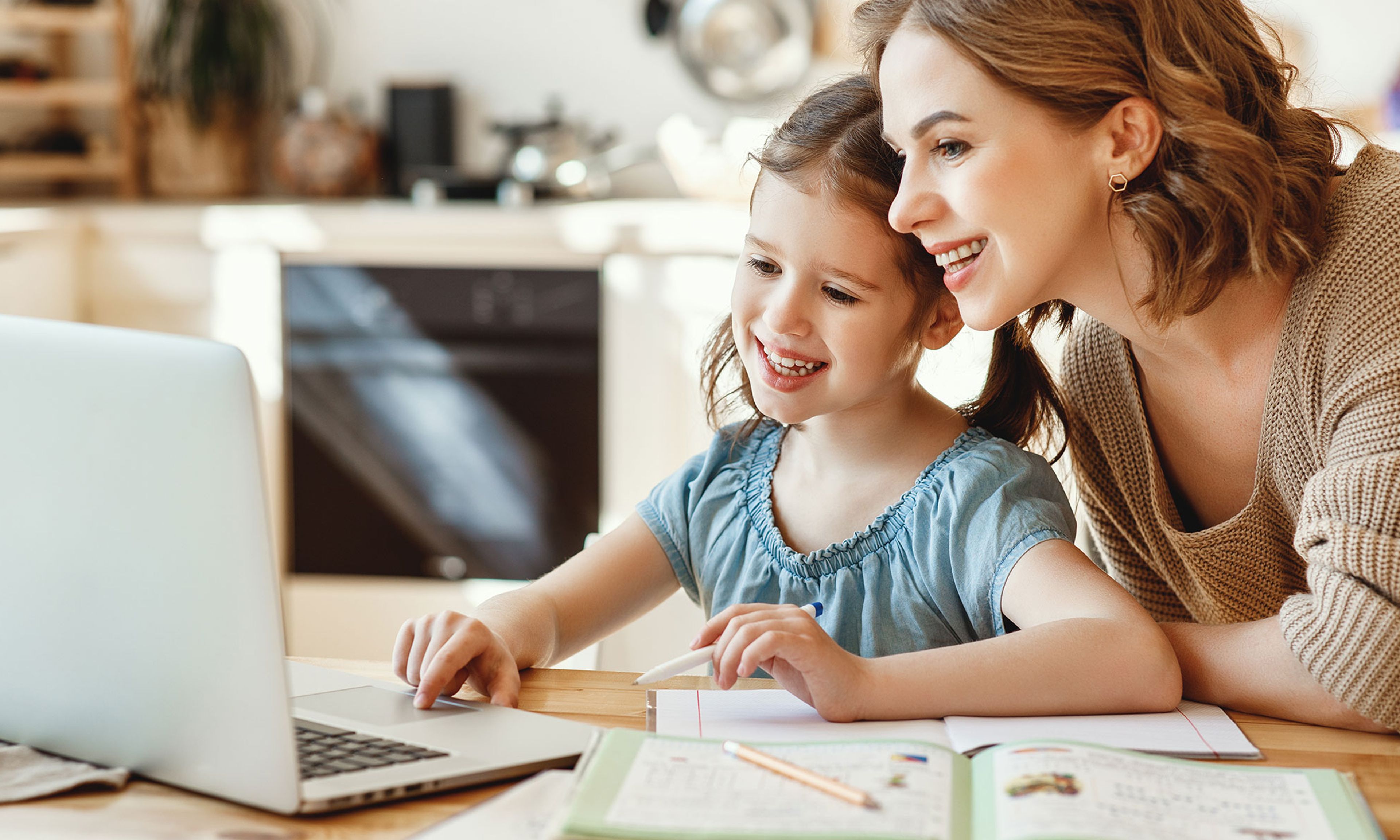
While homeschooling has grown steadily from its beginnings in the late 1970s to spring 2020, the number of children being homeschooled exploded after Covid-19 led to widespread school closures and disruption of education. For many families, homeschooling proved to be an oasis for their children. As a social worker in Loudoun County, Va., reported, “for some kids, whose anxiety was high, it actually was a help to be home. Being home allowed [them] to have a calmer, less anxiety-provoking situation.” She concluded, “For them, it was a Godsend.”
It is easy today to take this freedom to homeschool for granted. But that has not always been the case. Forty years ago, many states prosecuted parents for teaching their children without a license. Since then, legal, social, and practical barriers to homeschooling have been removed. Today, a diverse homeschooling ecosystem, made up almost entirely of volunteers, has made homeschooling possible for millions of children and families. Innovative new ideas about how to privately educate children emerged, such as “pods” and micro-schools, even emerged out of the disruption of the pandemic.



Comments