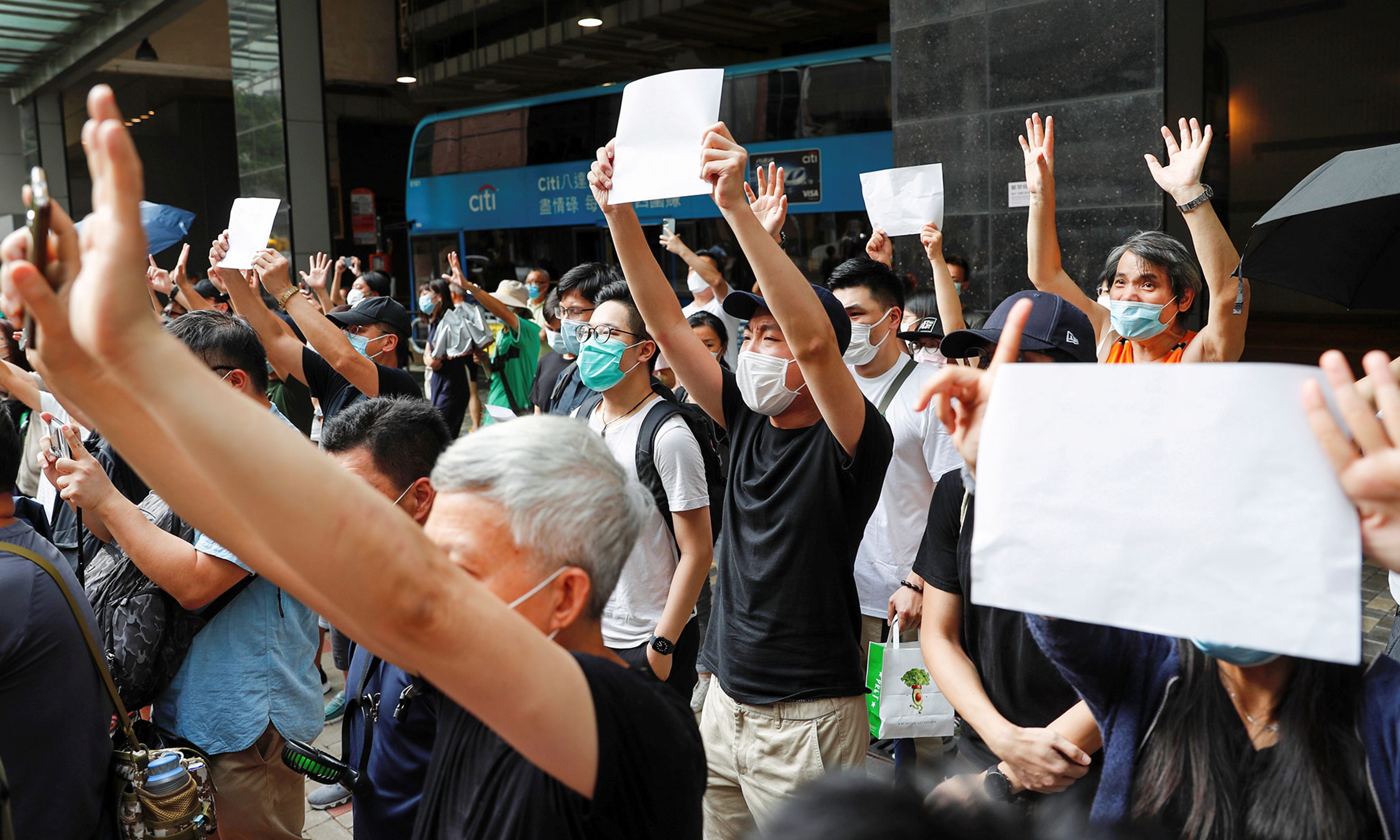
It has been almost a month since the Chinese Communist Party enacted its invasive “security” law — better called the oppression law. If there had been any doubt before the law’s taking effect that its purpose was not to protect the people of Hong Kong from instability but rather to subject an innocent populace to Beijing’s despotism, there can be none now — even to the most optimistic onlooker.
After the oppression bill became law for Hong Kongers, a chilling effect spread throughout the commercial hub: Pro-democracy activists quieted down, faced with the once-unthinkable reality of being arrested for standing peacefully in public places and voicing their desire for freedom. Shopkeepers were compelled to remove customers’ protest artwork and pro-democracy sticky notes from their shops lest the government punish them for endorsing the democracy camp’s message. Protesters deleted their social-media accounts, as speech that had been legal just days previously was now a potential crime against the government. Members of the press in Hong Kong began to feel as though they could not write freely and objectively without punitive consequences; the New York Times, over the next year, will relocate a third of its staff to Seoul.




Comments