To understand why Iran will cheat on the nuclear deal, you have to look back to September 2013: the month following Bashar al-Assad’s chemical-weapons attack on Ghouta, Syria, and the moment Assad challenged America’s red line over weapons of mass destruction — the moment America blinked. America would forgo military action, President Obama said at the time, if Assad gave up his WMDs. Sensing America’s trepidation, Assad surrendered some WMDs and gave Mr. Obama his pretense. But he kept other WMDs. With them, Assad is continuing to kill his people. This absurdity helps explain why America’s credibility in the Middle East has collapsed. But the credibility deficit isn’t just about Assad. Today, years after President Obama warned President Putin about aggression, Putin is openly mocking America, The Russian leader is modernizing S-300 anti-aircraft missile systems for Iran and challenging the investigation into the downing of MH-17. Eastern Ukraine remains defined by war.
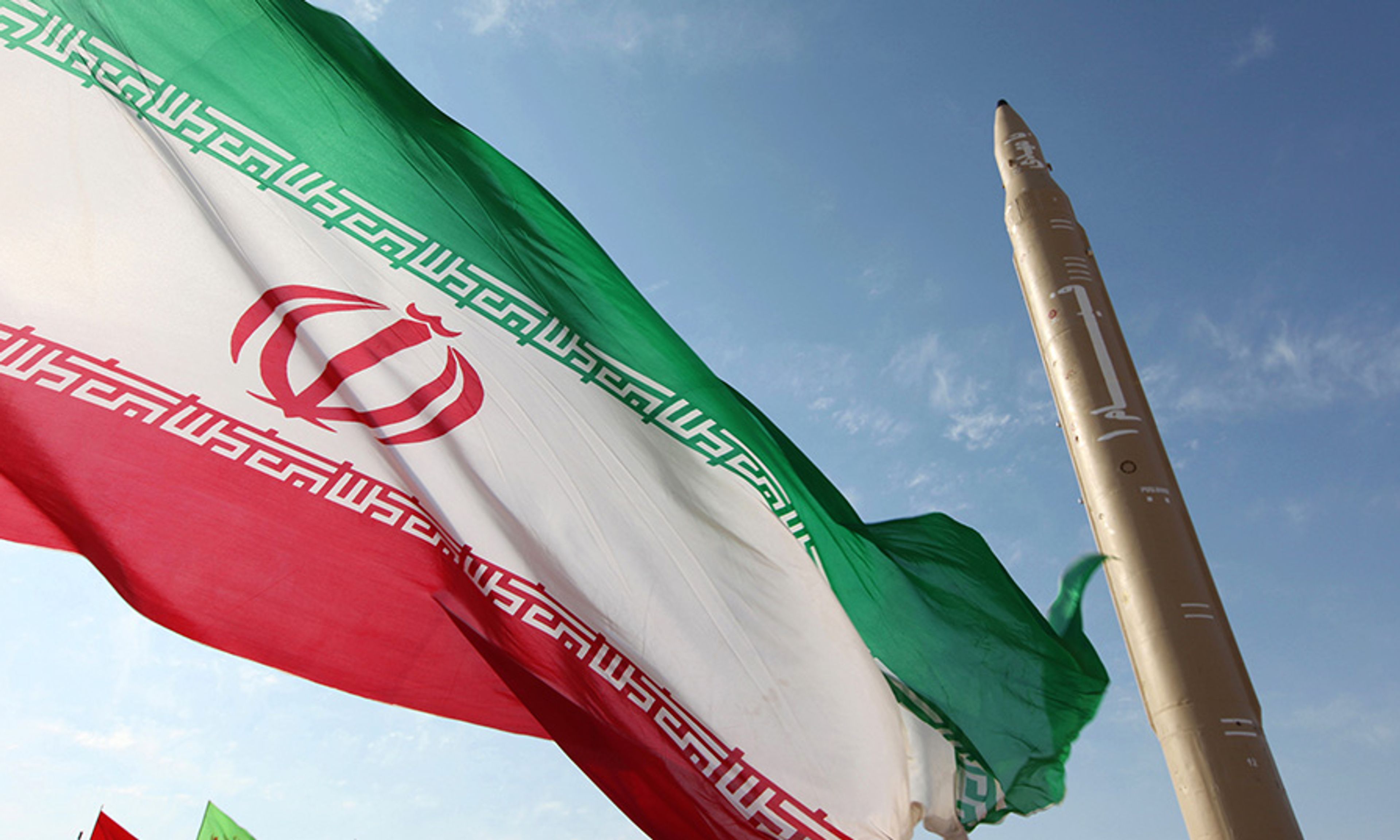
Iran’s conclusion: Rhetoric is cheap, and cheating America comes without negative consequences. Correspondingly, Iran will wait until it has established a ballistic-missile capability before constructing an actual nuclear weapon. Iran’s leaders are careful strategists — patient and determined. In the early months of this deal, they know that the international community will carefully judge Iran’s compliance. To build a semblance of trust, they are therefore likely to cooperate with inspectors. But a year from now, when the prospect of a sanctions snap-back is gone thanks to EU business interests and Russian trade deals, Iran will start cheating. At that point, Iran’s leaders will use states like North Korea to attain a ballistic-missile-nuclear-warhead capability. And forget sanctions. On Tuesday, John Kerry affirmed that Iranian cheating on ballistic-missile weaponization would not lead to a sanctions snap-back. Iran knows that it can build a nuclear delivery platform without meaningful consequences.
Iran knows that it can build a nuclear delivery platform without meaningful consequences.
Still, the Obama administration veils its weakness under the masquerade of enlightened diplomacy. Without humanitarian action to sustain it, Mr. Obama’s foreign policy is defined by moral humility. Iran’s leaders — Rouhani included — play to this delusion. They present the Islamic Republic as the guardian of justice and democratic virtue. This imagined reality sits perfectly with many American liberals who believe that Iran–U.S. tensions are ultimately the product of emotion. They believe that Iran funds such groups as the Lebanese Hezbollah because of the 1953 Mosaddegh affair (in which the CIA overthrew Iran’s prime minister) and 1980s feuding. And they believe Mr. Obama’s nuclear deal will spark the trust to overcome these differences.
#related#Unfortunately, this is delusion. The real roots of Iran–U.S. discord run much deeper. Iran wants to establish an arc of hyper-sectarian Khomeinism across the Middle East. That’s why Iran wants a nuclear weapon and that’s why Ayatollah Khamenei (or his successor) will cheat at the first moment it becomes possible and logical. As the Senate considers President Obama’s deal, it should bear this consideration in mind. It should also remember that there are real alternatives short of war. A naval blockade, as proposed by General James Mattis, would tighten the noose around the Revolutionary Guards and force Khamenei into a simple choice: negotiate, or accept a Praying Mantis redux, and the destruction of Iran’s naval forces.
– Tom Rogan is a writer and a panelist on The McLaughlin Group. His homepage is http://www.tomroganthinks.com.





Comments