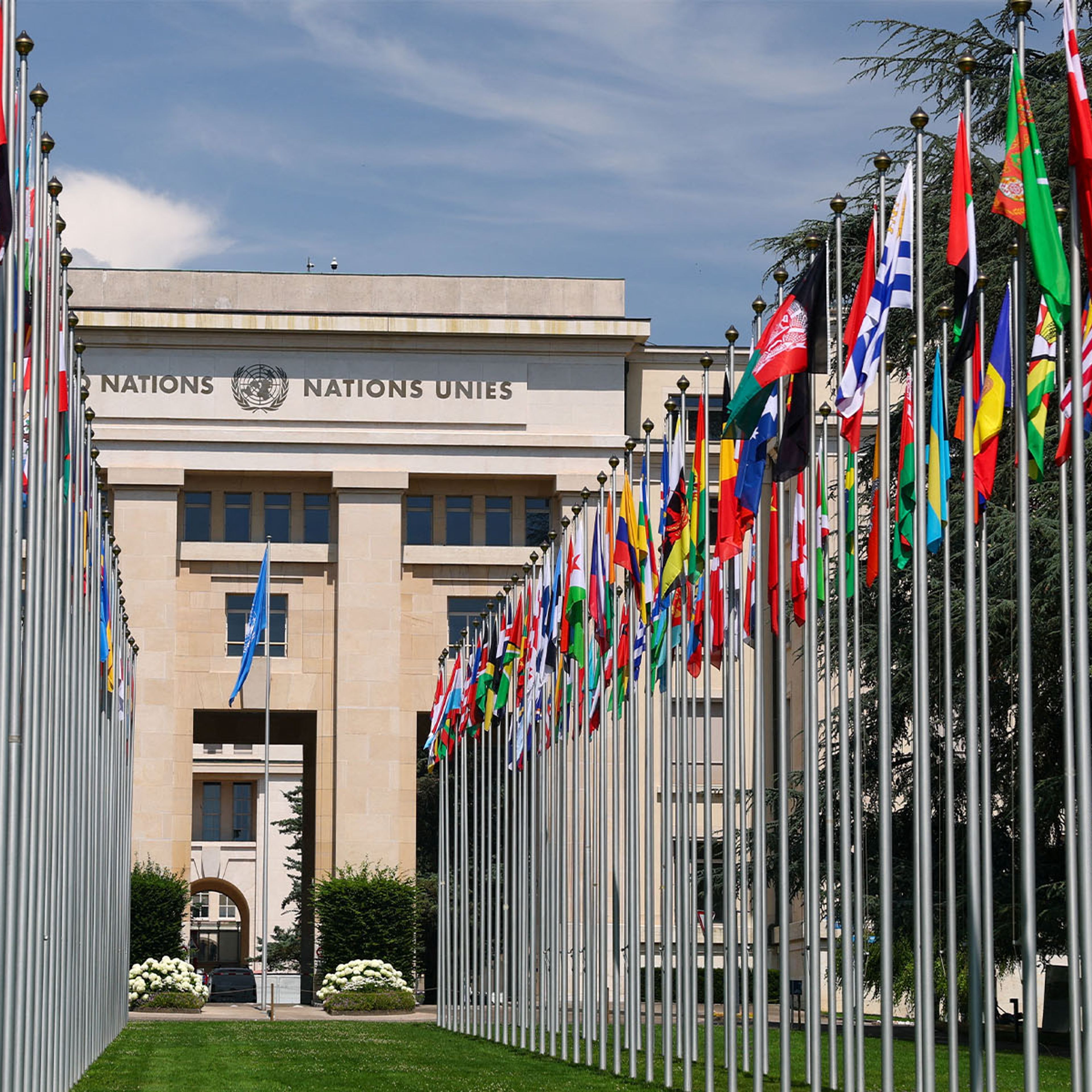
Countries from around the world gathered in Geneva, Switzerland, over the past week for the World Health Organization’s annual assembly, but Taiwan was not among them. Pressure from Beijing thwarted requests from the United States and its allies that Taiwan be offered observer status, calling into question the Biden administration’s thesis that a carrots-only multilateral-engagement strategy can advance U.S. interests inside international organizations. With similar failures piling up across U.N. agencies, Congress should reestablish U.S. leverage by attaching strings to taxpayer funding for bodies such as the WHO that undermine American interests.
Following a closed-door meeting on Sunday, May 21, the assembly’s president announced that despite pleas from the WHO’s top donors, Taiwan could not attend. Welcomed to the World Health Assembly, meanwhile, were Russia and Syria. There is no vote scheduled to expel Syria from the WHO executive board or to suspend both countries’ voting rights, as is allowed under WHO rules, for attacking hospitals and health-care providers.

Comments